
Angi Leads Reviews: Is It Worth It for Roofers?

Cary Byrd // Founder of CinchLocal
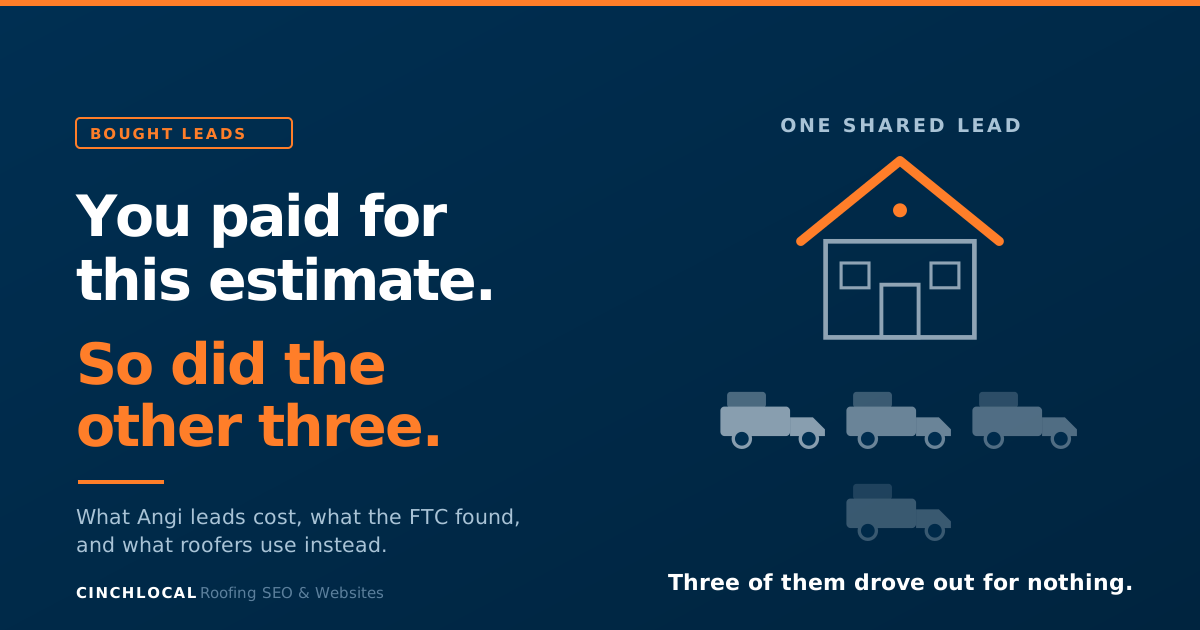
You pull up to the estimate. There are already two trucks in the driveway and a third pulling in behind you. The homeowner looks tired of the whole thing before you have opened your ladder rack.
That is a shared lead, and it is what most roofers are actually buying when they buy leads. The question is whether the arithmetic still works once you account for how often you show up fourth.
Angie’s List Was Genuinely Good, Once
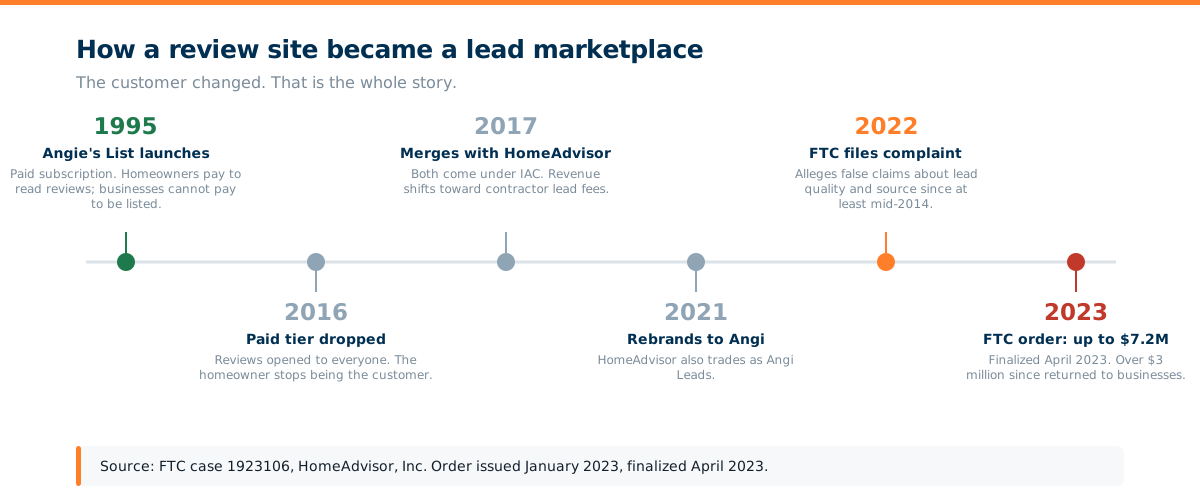
It launched in 1995 as a paid subscription service. Homeowners paid a membership fee to read reviews written by other paying members, and businesses could not pay to be listed. That was the whole model, and it worked because the incentives pointed the right way — the company answered to the homeowners paying for it.
In 2016 the paid tier was dropped and reviews were opened to everyone. In 2017 the company merged with HomeAdvisor under IAC, and in 2021 the whole thing rebranded to Angi. Somewhere in that sequence the customer changed. The money stopped coming from homeowners reading reviews and started coming from contractors buying leads.
That is not a criticism of anyone’s intentions. It is just a different business, and it is worth knowing which one you are dealing with.
What the FTC found
In March 2022 the Federal Trade Commission filed an administrative complaint against HomeAdvisor, Inc. — which does business as Angi Leads and HomeAdvisor powered by Angi.
The complaint alleged that since at least mid-2014 the company made false, misleading or unsubstantiated claims about the quality and source of the leads it sold to service providers. Specifically, the FTC alleged that leads did not always match the services a contractor offered or the geographic area they had chosen, and that the company misrepresented how often those leads converted into paying customers.
In January 2023 the FTC issued an order requiring HomeAdvisor to pay up to $7.2 million and to stop the conduct described in the complaint. The order was made final in April 2023, and the FTC has since returned more than $3 million to affected businesses.
Samuel Levine, then Director of the FTC’s Bureau of Consumer Protection, put it plainly: gig economy platforms should not use false claims and phony opportunities to prey on workers and small businesses.
Why that matters to a roofer in 2026
The order is settled and the company has changed practices. The reason to read it now is not to relitigate it — it is that the FTC document describes, in detail and under oath, exactly the things roofers complain about anecdotally: leads outside your area, leads for work you do not do, and conversion rates that do not match what the salesperson said.
You do not have to take another contractor’s word for it. It is a matter of public record.
The Shared Lead Problem, in Numbers
Set the history aside. The structural issue is simpler and it has not changed.
The same lead goes to several roofers
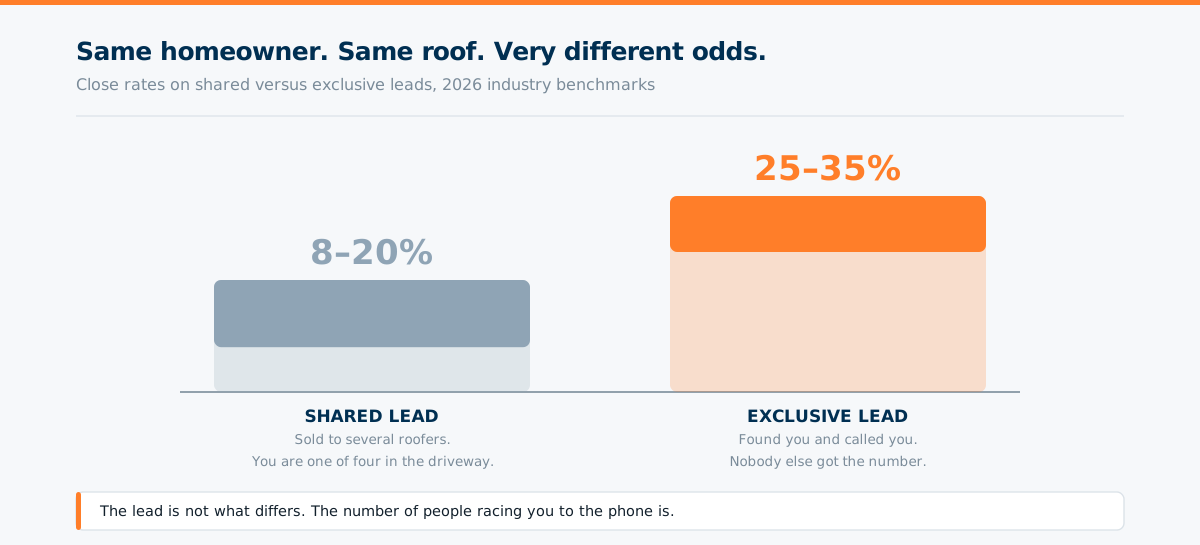
A shared lead is sold to multiple contractors by design. That is the product. Which means the homeowner gets several calls within minutes, books whoever answers first or quotes lowest, and everyone else paid for a lead they were never going to win.
Published 2026 benchmarks put shared lead close rates at 8 to 20 percent. Exclusive leads close at 25 to 35 percent. Same homeowner, same roof, same roofer — the difference is whether four other people got the same phone number.
You pay whether you win or not
Roofing leads are charged per lead, not per job. At the low end of the published range you are paying for five or six leads to win one job. At the high end, more. Our breakdown of what a roofing lead actually costs runs the arithmetic properly.
The cost is not the lead price. It is the lead price multiplied by how many you buy before one closes.
What roofers say in the reviews
Search angi leads reviews and the complaints repeat with unusual consistency: leads outside the chosen service area, leads for work the contractor does not do, homeowners who never asked to be contacted, and difficulty getting credits for either. Those are the same four categories the FTC described in its own summary of the case.
Read enough of them and a pattern emerges that is worth naming: the complaints are almost never about the platform being expensive. They are about paying for something other than what was described.
And the price goes up when your market gets busy
Lead marketplaces price on demand. After a hailstorm, when you most need the work, so does every other roofer in the county — and the cost per lead rises exactly when your margin is under most pressure.
The channel is most expensive at the moment it is most needed. That is not a flaw in the platform; it is how an auction works.
Three numbers you already know. Nothing to sign up for.
What this assumes, and how to change it
Same money. Fewer leads. More jobs. And it does not stop in month 25.
See where you actually rankAn illustration, not a forecast. Both columns spend your figure every month for 24 months — the only difference is what the money buys. Close rates come from published 2026 benchmarks and are editable above. One thing this deliberately understates: those same benchmarks put SEO leads at $25–$100 once rankings are established, against $80–$220 for bought exclusive leads, but this model charges your bought-lead price to both sides. Your market, your close rate and your competition will move all of these numbers.
What Actually Replaces It
Not nothing, and not overnight. If your phone needs to ring next week, buy leads or knock doors — we are not going to pretend a website fixes that.
What we build is the other thing: the roofing SEO and local visibility that makes you the roofer a homeowner finds and calls directly. We run it as the Roofer Footprint Expansion System, and it is the same method whether the lead is residential or commercial.
What the name actually means
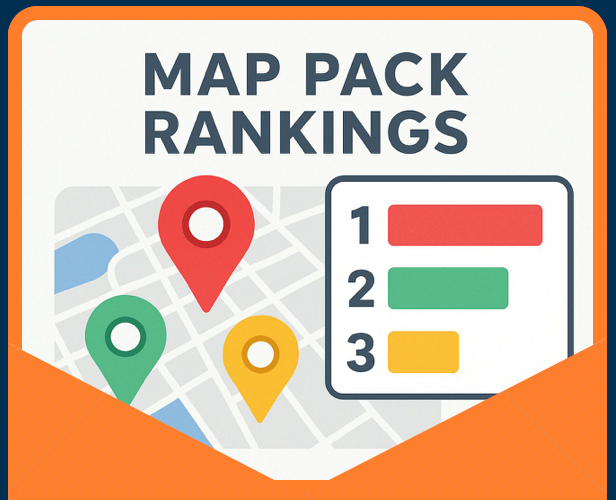
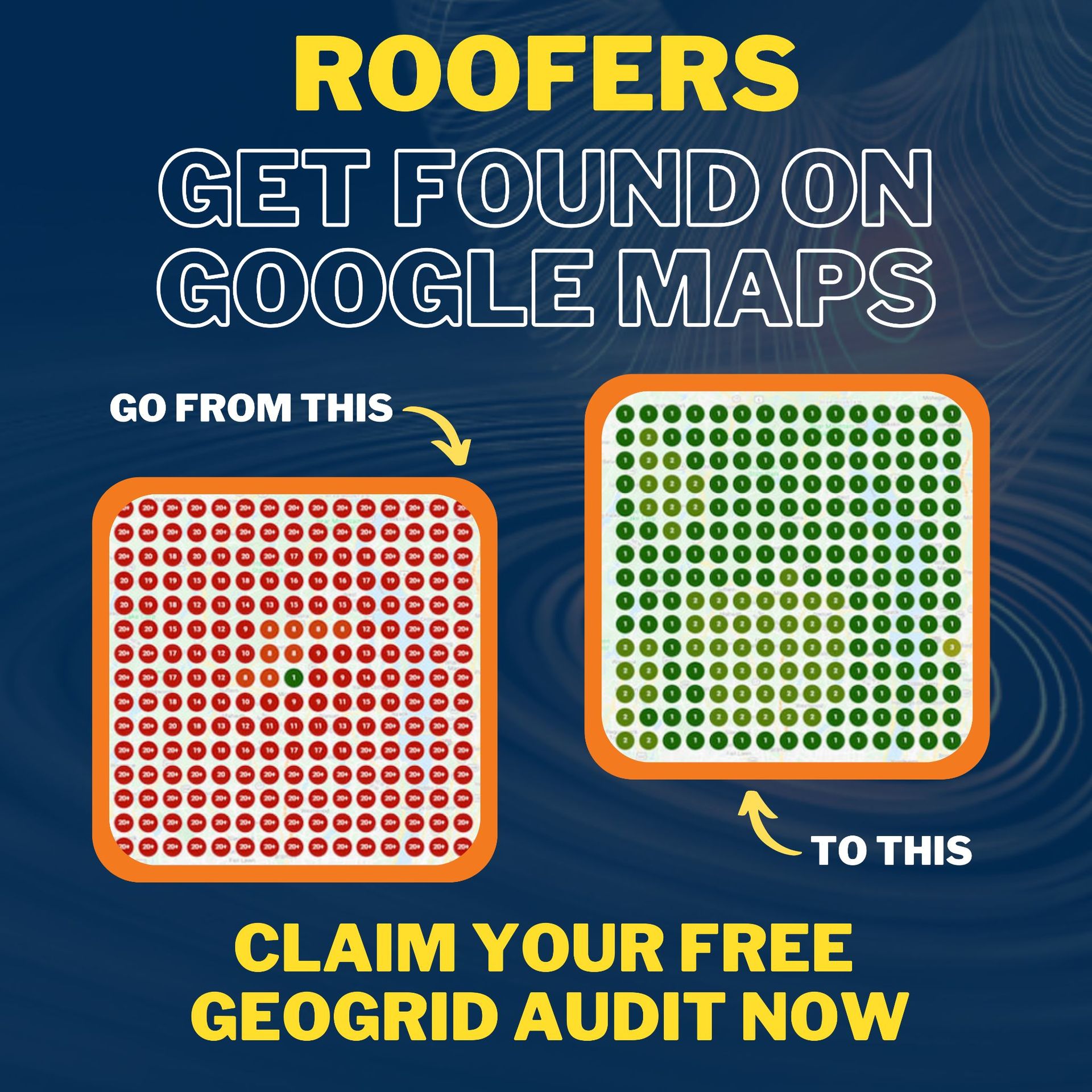
Expanding the geographic area where your company is the one that gets found, rather than the single point where you already rank because your office is there. Most roofers we scan for the first time are in the Google Map Pack across ten to twenty percent of the area they serve and had no idea.
We measure it with GeoGrid scans — real rankings at real coordinates across the whole service area, not one flattering number checked from the desk. Google ranks local results on relevance, distance and prominence; two of those three are things you build, and a verified profile is where it starts.
Every lead is exclusive, because it was never for sale
A homeowner who searched, found you, and called you was not sold to anyone. There is no auction, no five-minute race, and no other roofer in the driveway. It is the difference between being chosen and being one of the options.
And you own it
This is the part that matters most over a few years. A bought lead is rented access to somebody else’s asset — stop paying and it ends, with nothing left behind. The pages, rankings and Google Business Profile we build sit on your domain and belong to you.
If you fired us tomorrow you would keep all of it, and it would keep producing. The Big River case study documents what the timeline looks like with the numbers attached.
The other alternatives, honestly
Angi is not the only lead source and we are not going to pretend ours is the only alternative. Facebook and Meta ads put you in front of homeowners who were not searching, which works for storm response. Google Local Services Ads are exclusive and charge per lead rather than per click. Directory listings and a deliberate review strategy both feed the Map Pack for free.
Every one of those is worth running. The distinction we draw is narrower than most agencies would like: paid channels rent you attention, and the ones you build become an asset. Both have a place, and the mix should shift over time.
One roofing company per market
We work with roofing contractors only, and only one in any given market. That is not a sales line — it is structural. The whole method depends on being the answer rather than one of six, and we cannot make two roofers in the same city the answer to the same search.
Put those four things together and that is the whole of the Roofer Footprint Expansion System: measured coverage across your real service area, enquiries that were never sold to anyone else, an asset that stays on your domain, and exclusivity in your market. It is the opposite of a shared lead in every respect that matters.
Should You Cancel Angi Tomorrow?
Probably not, and anyone telling you otherwise is selling something.
If bought leads are currently a meaningful share of your revenue, cutting them off before anything replaces them is how roofers end up in trouble. The sensible sequence is to keep them running, start building, and let the buying shrink as the inbound grows.
Most of our clients run both for the first six months. By month nine or ten the lead spend is usually smaller, and it is a decision rather than a dependency. That is the actual goal — not being anti-Angi, but not being reliant on anyone else’s platform for your phone to ring.
Frequently Asked Questions
Is Angi Leads worth it for roofers?
It depends on what else you have running. As a way to generate calls quickly it works, and for a roofer with no other pipeline it can be the difference between a busy month and a quiet one. The problems are structural rather than fixable: leads are shared with other contractors by design, published close rates on shared leads run 8–20% against 25–35% for exclusive ones, you pay per lead whether or not you win, and the price rises in storm season when you need the work most. Treat it as a bridge rather than a strategy.
How much do Angi leads cost?
Pricing varies by trade, market and job type, and roofing sits at the higher end because the jobs are worth more. When the FTC brought its case, service providers generally paid an annual membership fee of $287.99 plus a separate charge for every lead received. The figure that matters is not the price per lead but the price per job — multiply the lead cost by how many you buy before one closes.
Did Angi get in trouble with the FTC?
HomeAdvisor, Inc., which does business as Angi Leads and HomeAdvisor powered by Angi, was the subject of an FTC administrative complaint filed in March 2022. The complaint alleged that since at least mid-2014 the company made false, misleading or unsubstantiated claims about the quality and source of leads sold to service providers. In January 2023 the FTC issued an order requiring payment of up to $7.2 million; the order was finalized in April 2023, and the FTC has since returned more than $3 million to affected businesses. The full record is published on the FTC website.
What is the difference between shared and exclusive leads?
A shared lead is sold to several contractors at once, so the homeowner receives multiple calls and typically books whoever responds first or quotes lowest. An exclusive lead goes to one contractor. Published 2026 benchmarks put shared lead close rates at 8–20% and exclusive at 25–35%. A lead that comes from your own search visibility is exclusive by definition, because it was never for sale to anyone.
What is a better alternative to buying roofing leads?
Building visibility you own — a properly structured website, real pages for each market you serve, a complete Google Business Profile, steady review velocity and local citations. It is slower to start and it compounds instead of stopping. The practical difference is that a bought lead ends when the invoice does, while pages and rankings stay on your domain and keep producing. Most roofers run both for a period rather than switching overnight.
Is Angie's List the same as Angi?
Yes. Angie's List launched in 1995 as a paid subscription review service, dropped its paid tier in 2016, merged with HomeAdvisor under IAC in 2017, and rebranded to Angi in 2021. HomeAdvisor also operates as Angi Leads. The name changed and so did the business model — the original company was funded by homeowners paying to read reviews, while the current one is funded largely by contractors paying for leads.
How much does Angi charge for leads?
It varies by trade, market and job size, and roofing sits at the higher end because the jobs are worth more. In the FTC case, service providers generally paid an annual membership fee of $287.99 plus a separate charge for each lead received. Lead prices are set by demand, which means they rise in storm season when every roofer in the county wants the same work. The number worth tracking is not the price per lead but the total spent before one lead becomes a signed job.
What are the alternatives to Angi for roofing leads?
Several, and most roofers should run more than one. Google Local Services Ads are exclusive and charge per lead rather than per click. Facebook and Meta ads reach homeowners who were not actively searching, which suits storm response. Directory listings and a deliberate review strategy both feed Map Pack visibility at no cost. And organic search visibility — your own pages ranking for the searches homeowners make — produces exclusive enquiries that continue after the spend stops. Paid channels rent attention; the ones you build become an asset.
Was there a lawsuit against Angi or Angie's List?
The action most contractors are thinking of is the FTC case against HomeAdvisor, Inc., which does business as Angi Leads. The FTC filed an administrative complaint in March 2022, issued an order in January 2023 requiring payment of up to $7.2 million, and finalized it in April 2023. A separate class action was also filed on behalf of service providers. The FTC record is published in full on its website, and it is the source worth reading rather than second-hand accounts.
Do Angi leads work for roofing specifically?
Roofing is one of the harder trades for shared leads, for two reasons. The jobs are large enough that homeowners genuinely shop around, so a shared lead usually means three or four estimates. And roofing demand spikes after storms, which is exactly when lead prices rise and every competitor is bidding for the same homeowner. Roofers who do well with bought leads generally have a fast response system and treat the channel as one input among several rather than the whole pipeline.
What is the Roofer Footprint Expansion System?
It is what we call the method: expanding the geographic area where your roofing company is the business homeowners find, rather than the single point where you already rank because that is where your office sits. In practice it means real pages for each market you serve, Google Business Profile work, review velocity, citations and local links — measured with GeoGrid scans across the whole service area instead of one number checked from your desk. Four things separate it from buying leads: the coverage is measured rather than assumed, every enquiry is exclusive because it was never for sale, the pages and rankings stay on your domain, and we work with one roofing company per market.
How long before SEO replaces bought leads?
Profile and Map Pack work can move within weeks. Geographic coverage — ranking in towns where you have no office — usually takes around six months, because the content has to be found, indexed and trusted. Most roofers run both channels for the first six months and find the lead spend shrinking by month nine or ten. Anyone promising a full replacement in thirty days is describing paid ads, not organic.
What's the difference between HomeAdvisor and Angi Leads?
They're the same company. HomeAdvisor, Inc. does business as both Angi Leads and HomeAdvisor powered by Angi — the FTC case was filed against HomeAdvisor, Inc. under exactly that description. HomeAdvisor and Angie's List merged under IAC in 2017 and the consumer-facing brand became Angi in 2021. If you're comparing them, you're comparing one company to itself.
See Where You Actually Rank
Book a free strategy session and we will run a live GeoGrid scan on your business — real rankings across your whole service area, and which competitor is taking the towns you are missing.
We work with roofing contractors only, one per market. You keep the scan either way, and if your city is already taken we will tell you on the call.
If you would rather start on your own, run the free 40-point website inspection and see what it turns up — how the site is built decides most of this before any marketing spend happens.
Want Us to Uncover Hidden 'Footprint Gaps' And Critical Blind Spots That’s Quietly Draining Calls, Jobs, and Profits?
Simply Fill Out The Form Below:
What If You Could Stop Wasting $30K+ a Year on Dead-End Marketing - And Finally Become the Go-To Roofer in Your City?
Other Helpful Articles You Might Enjoy