
4 Steps to Smarter Local Keyword Research

Cary Byrd // Founder of CinchLocal
Why Local Keyword Research is Critical for Your Roofing Business
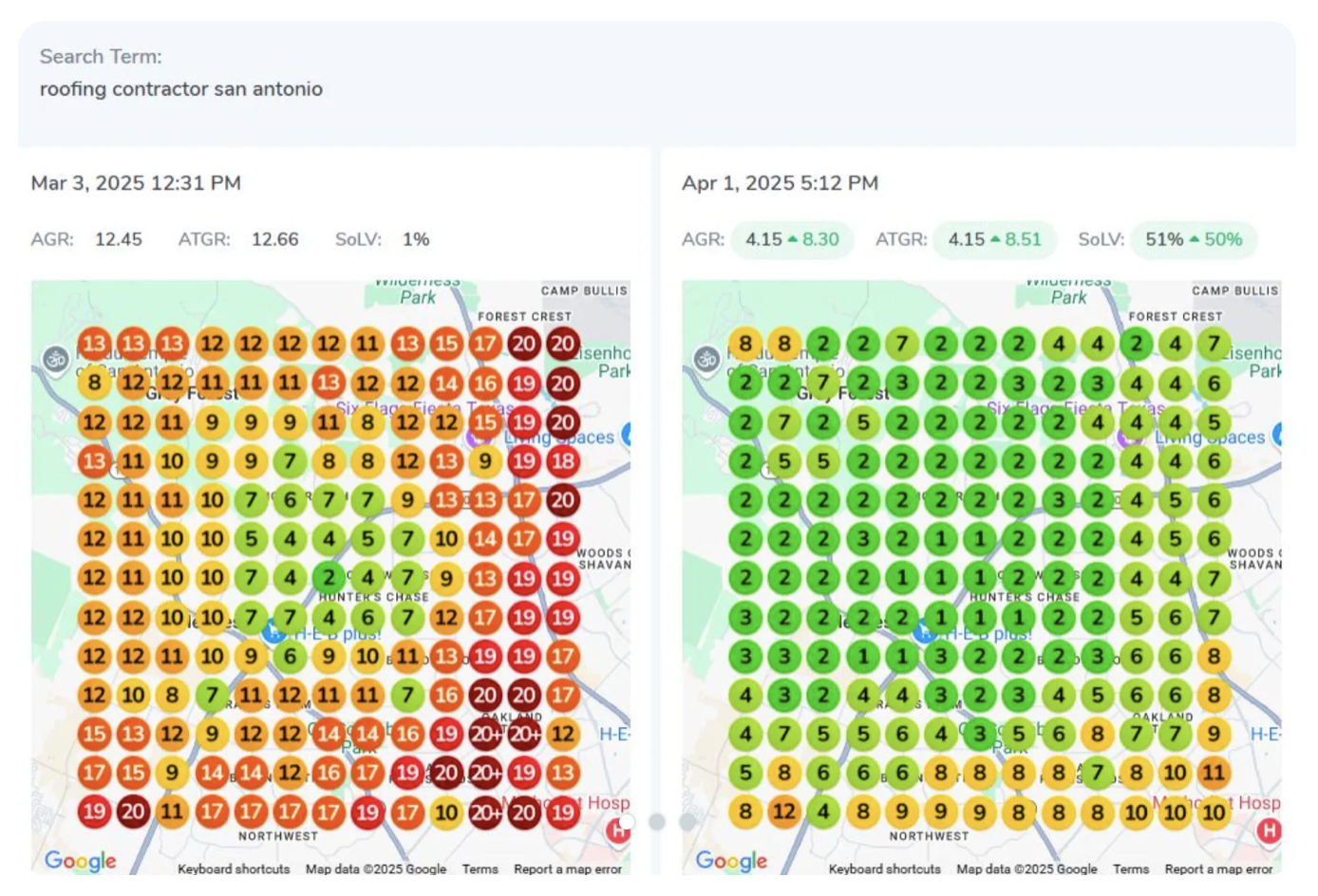
How to do research for local seo starts with understanding exactly what your potential customers are typing into Google when their roof leaks or they need storm damage repairs. Without this foundational knowledge, you're essentially marketing blind—spending time and money on terms that don't drive phone calls.
Here's the quick answer:
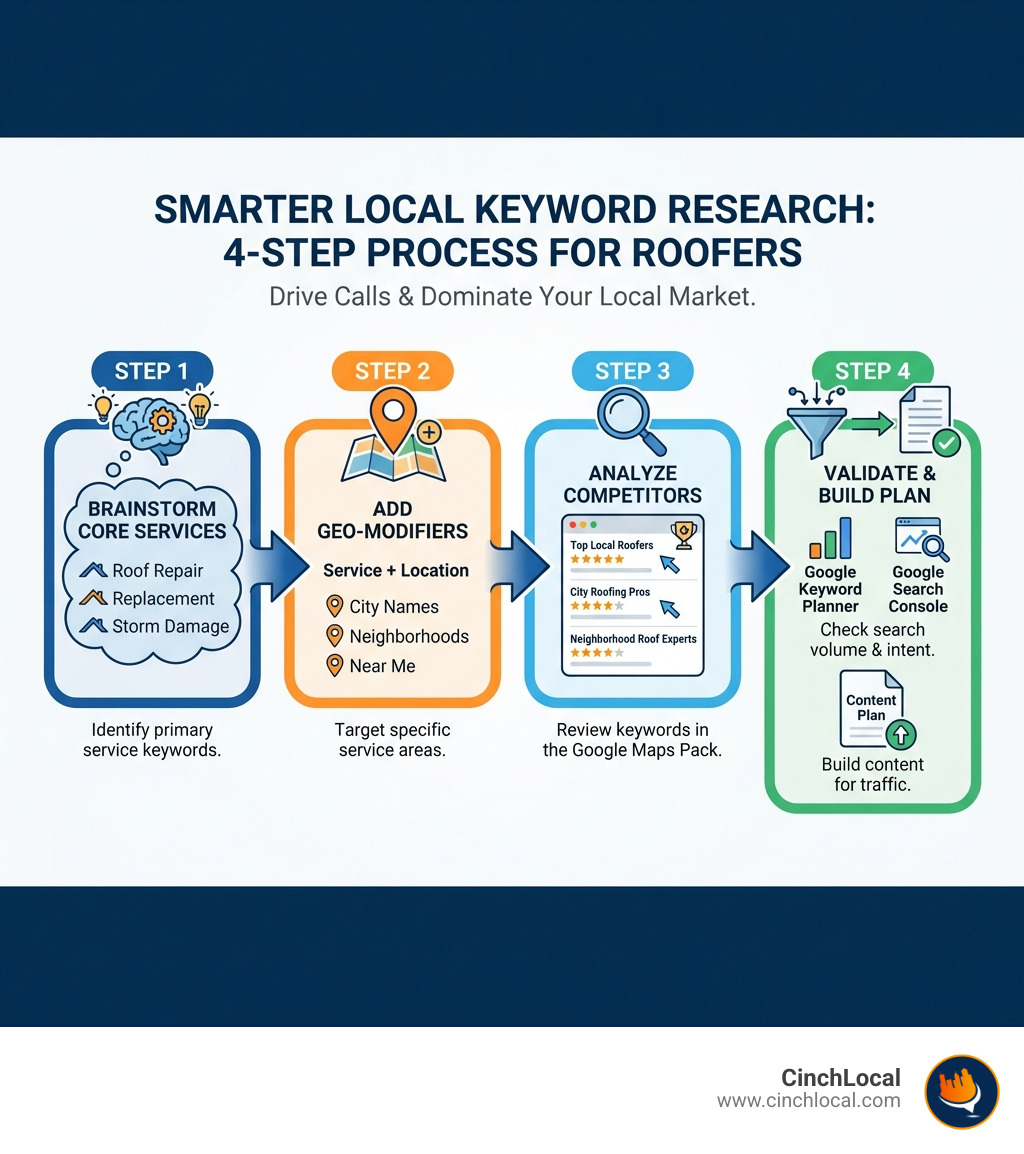
- Brainstorm your core roofing services (roof repair, replacement, storm damage)
- Add location modifiers to every service (city names, neighborhoods, "near me")
- Analyze what competitors rank for in the Google Maps pack
- Use free tools like Google Keyword Planner to validate search volume and find new terms
The reality is stark: most roofing contractors waste their marketing budget targeting the wrong keywords or no specific keywords at all. They build a website, hope for the best, and wonder why the phone doesn't ring. Meanwhile, their competitors who understand strategic local SEO and implement simple strategies to get found online dominate the Google Maps results and get the majority of emergency repair calls and replacement projects.
Local keyword research isn't academic—it's the difference between being visible when a homeowner's ceiling is leaking at midnight or being completely invisible. For roofing contractors, every keyword you rank for in your service area represents real revenue. A single ranking for "emergency roof repair [your city]" can generate tens of thousands in annual revenue.
The challenge? You're already busy running jobs, managing crews, and handling estimates. You don't have time to become an SEO expert. That's precisely why understanding how to do research for local seo efficiently—without wasting weeks diving down rabbit holes—matters so much.
I'm Cary Byrd, CEO of CinchLocal, and over the past decade building eDrugSearch.com as a one-person marketing department, I learned exactly how to do research for local seo that drives measurable business results. Now I help roofing contractors apply these same proven strategies to dominate their local markets.
Step 1: Brainstorm Your Core Roofing Service Keywords
The foundation of your research is a solid list of the services you offer. Think like a customer with a roofing problem. What words would they type into Google when their roof is leaking or they're considering a replacement? This first step is about identifying these core "money" terms that directly relate to the work you do and the revenue you generate. Start broad, and we'll narrow it down in the next steps to ensure we capture every potential lead.
Many roofing contractors we work with initially think of just "roof repair" or "new roof." But the reality is that your potential customers use a much wider array of terms. By brainstorming thoroughly, we ensure no stone is left unturned, maximizing your visibility for every service you offer. This is the bedrock upon which your entire local SEO strategy will be built. Think of it as creating a comprehensive inventory of every solution you provide to a homeowner's roofing needs.
Identify Your Main Service Offerings
Start by listing every single service you provide. Don't filter yourself yet. If you do it, write it down. This creates the base list from which all other keywords will grow. This isn't just about what you think people search for, but what you actually do. Do you specialize in a certain type of roof or offer emergency services? These are all crucial pieces of the puzzle.
Here's a list of potential roofing services to consider as you build your own:
- Roof replacement
- Roof repair
- Emergency tarping
- Storm damage assessment and repair (hail, wind, ice)
- Commercial roofing (TPO, EPDM, metal for businesses)
- Residential roofing (asphalt shingles, metal, tile, slate, cedar shake)
- Gutter installation and repair
- Roof inspection and maintenance
- Skylight installation and repair
- Soffit and fascia repair
- Attic ventilation solutions
- Chimney flashing repair
A thorough brainstorm might even include less common services that differentiate your business. For instance, if you specialize in historical roof restoration in Charleston, South Carolina, or offer drone inspections in Sacramento, California, these are unique offerings that should be on your list. This initial list acts as your seed keywords, or "head terms," from which we'll develop more specific, long-tail keywords. To get a better understanding of how to approach this from a market perspective, consider reviewing a guide to market research from the SBA.
Expand with Modifiers and Synonyms
Now, let's take those core services and think about the different ways customers describe them. They might use terms related to materials, roof types, or specific problem descriptions. This adds crucial detail to your core terms, helping you capture searches that are more specific and often indicate higher intent.
Consider these categories for expansion:
- Material Modifiers : If you offer "roof replacement," think about "asphalt shingle replacement," "metal roofing installation," "slate roof repair," "tile roof replacement." Each material type is a distinct keyword opportunity.
- Problem-Based Keywords : Instead of just "roof repair," customers might search for "leaky roof fix," "hail damage repair," "wind damage roof repair," "storm damage roof repair." These terms often come from a place of urgency and need.
- Roof Type Modifiers : Do you work on specific roof types? "Flat roof repair," "pitched roof installation," "low-slope commercial roofing."
- Benefit-Oriented Keywords : Sometimes customers search for the outcome they want. "Energy-efficient roofing," "durable roof solutions," "long-lasting roof."
- Synonyms and Related Terms : "Roofing contractor," "roofer," "roofing company," "shingle installer," "roofing specialists."
By expanding your list with these modifiers, you create a rich mix of keywords that cover a much broader range of potential customer searches. This is where you start building out those valuable long-tail keywords that, while they might have lower individual search volumes, often bring in highly qualified leads. For more ideas on how to craft content around these expanded keywords, explore our guide on how to write valuable website content.
Step 2: Pinpoint Geo-Targeted and Hyperlocal Keywords
This is where local SEO truly begins. For a roofing contractor in Ohio, a lead from 500 miles away in California is useless. You need to attract customers in the specific cities, towns, and even neighborhoods you serve. This step involves combining your service keywords with location-based terms to capture homeowners actively searching for a local professional. This is the essential bridge between what you do and where you do it.
Think about it: when a homeowner in Nashville, Tennessee, has a leaky roof, they're not just searching for "roof repair." They're searching for "roof repair Nashville TN" or "roofing contractors near me." Without these geo-modifiers, your excellent roofing services might as well be invisible to the people who need them most. We focus on these hyperlocal terms because they represent immediate, high-intent opportunities for your business.
Combine Services with Locations
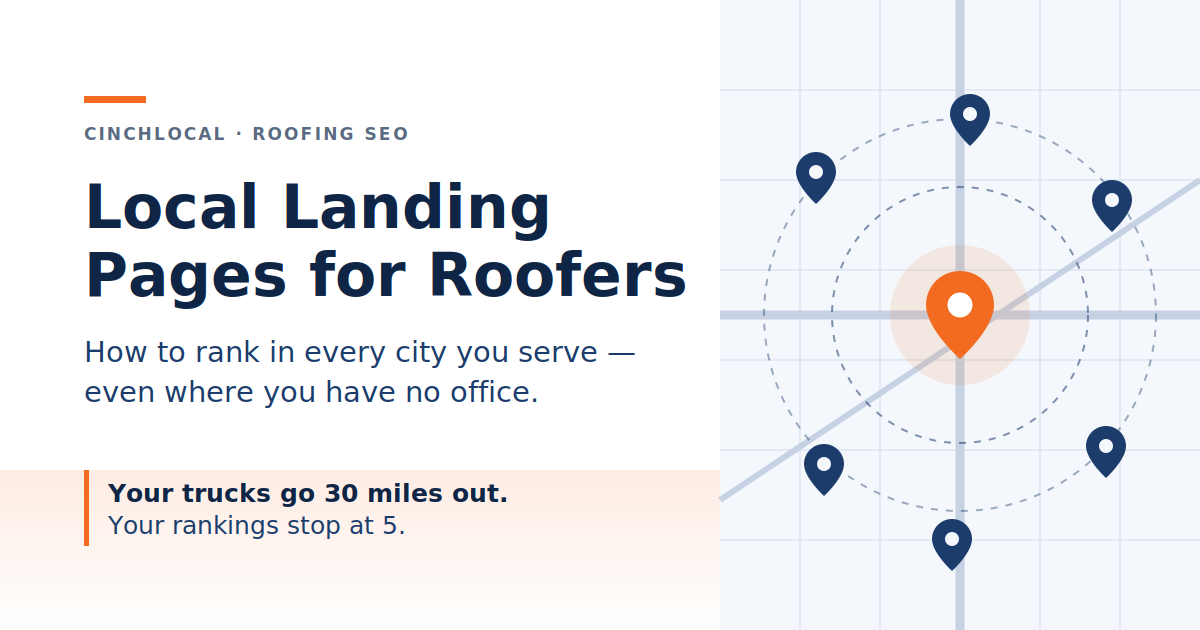
The simplest and most powerful local keyword formula is "Service + Location." Create variations for every service in every location you want to rank in. This means taking all those core and expanded service keywords from Step 1 and pairing them with every city, town, and even major neighborhood within your service radius.
For example, if you offer "roof replacement" and serve Dallas, Texas, and Plano, Texas, your keywords would include:
- "Roof replacement Dallas TX"
- "Dallas roof replacement"
- "Roof replacement Plano TX"
- "Plano roof replacement"
- "Asphalt shingle replacement Dallas"
- "Metal roofing contractor Plano"
- "Commercial roof repair Fort Worth"
- "Emergency roof service Austin"
- "Storm damage repair Columbus Ohio"
- "Roofing company Memphis Tennessee"
- "Tile roof replacement San Diego California"
- "Roof repair Atlanta Georgia"
This strategy is crucial for building out location-specific content, such as dedicated service area pages on your website. Each page can then target a specific "Service + Location" combination, significantly boosting your chances of ranking in those areas. This is precisely the kind of work we do for roofers, leveraging our Google Maps SEO service for roofers to help them dominate local search. You can even see the results we've achieved for other roofers using this strategy.
Capture "Near Me" and Unspecified Local Intent
A significant portion of local searches now use phrases like "near me" or don't specify a location at all, as Google uses the searcher's location to provide local results. In fact, research from Think with Google highlights the consistent growth of "near me" searches, indicating a strong preference for local solutions. Optimizing your Google Business Profile (formerly Google My Business) is critical for capturing this traffic.
When someone searches "roofers near me" or simply "best roofer" from their smartphone, Google's algorithm uses their current location to pull up the most relevant businesses in the Google Maps Local Pack. This makes proximity a massive ranking factor. Your Google Business Profile is your digital storefront for these searches. It needs to be fully optimized, verified, and regularly updated with accurate information, photos, and customer reviews.
Key elements for capturing "near me" searches include:
- Google Business Profile Optimization : Ensure your business name, address, phone number (NAP) are consistent everywhere online. Choose the most accurate primary and secondary categories (e.g., "Roofing contractor," "Gutter contractor").
- Consistent Citations : Make sure your business information is consistent across all relevant online directories and citation sources.
- Reviews : Encourage satisfied customers to leave reviews on your Google Business Profile. Google heavily weights businesses with a good volume of positive reviews.
- Local Content : While "near me" searches don't specify a location, having location-specific pages on your website still helps Google understand your service areas and associate your business with those regions.
By mastering your Google Business Profile, you're essentially telling Google, "Hey, we're right here, and we're the best option for these local searches!" This is how we help roofing contractors get found by homeowners who need their services urgently, right in their neighborhood. For a complete walkthrough, dive into our guide on how to optimize your Google Business Profile.
Step 3: Analyze Competitor Keywords and Search Intent
You don't have to reinvent the wheel. Your top-ranking local competitors are already succeeding with certain keywords. Analyzing their strategy provides a roadmap for which terms are driving actual phone calls and form submissions. It's also crucial to understand the intent behind a search to ensure you're creating the right kind of content. This step is about gaining a competitive edge by learning from those who are already winning in your local market.
We often tell our clients that competition isn't something to fear; it's a source of valuable intelligence. By observing what's working for others, you can refine your own strategy, identify gaps, and ensure you're targeting keywords that genuinely lead to business. This isn't about copying, but about smart adaptation and optimization.
Deconstruct the Local SERP
Perform searches for your most important keywords as if you were a customer. For example, if you're in Cleveland, Ohio, search for "roof repair Cleveland" or "Cleveland roofing companies." Who shows up in the top 3 of the Google Maps pack? What keywords are they using in their business name on Google Business Profile? What do their website titles and descriptions say in the organic results? This is your primary source of competitive intelligence.
Here's how to deconstruct the Local Search Engine Results Page (SERP):
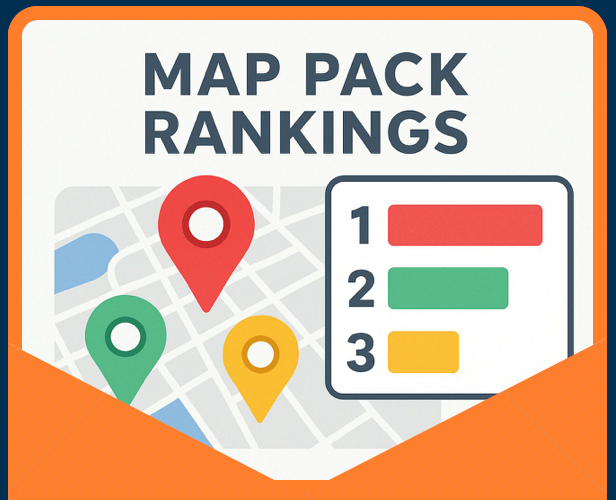
- Google Maps Pack (Local 3-Pack)
: These are the top three businesses listed with a map.
- Business Names : Do competitors include keywords in their business name (e.g., "XYZ Roofing & Repair Cleveland")? While this can help, Google is cracking down on keyword stuffing here, so use legitimate business names.
- Reviews : Note the number and quality of reviews. Strong reviews are a major factor in the Local Pack.
- Categories : What primary and secondary categories have they selected in their Google Business Profile?
- Organic Search Results
: Look at the websites ranking below the Local Pack.
- Title Tags : What keywords do they use in their page titles (the clickable blue text in search results)?
- Meta Descriptions : What compelling descriptions do they use to entice clicks?
- Website Content : What services do they highlight on their home page and service pages? Do they have dedicated location pages?
- Backlinks : While harder to see without tools, observe if they have strong local citations or links from local businesses.
By systematically analyzing these elements, you can reverse-engineer what's working for your competitors. This insight helps you refine your own Google Business Profile, optimize your website's on-page SEO, and identify keyword opportunities they might be missing. Understanding search intent is also key here; for a deeper dive, read a guide to understanding search intent. For a roofer-specific perspective, check out our in-depth guide to local SEO for roofing contractors.
Prioritize High-Commercial Intent Keywords
Not all keywords are created equal. Focus your primary efforts on keywords that signal a user is ready to hire someone. A search for "how much does a new roof cost in Houston" shows much higher commercial intent than "types of roofing shingles." The first person is likely further down the sales funnel, actively seeking a quote, while the second is still in the research phase.
We call these "buying intent" or "bottom-of-funnel" keywords. These are the terms that lead directly to phone calls, form submissions, and ultimately, new roofing projects.
Here's how to identify and prioritize high-commercial intent keywords:
- "Cost" or "Price" Keywords : "Roof replacement cost Atlanta," "emergency roof repair price San Jose."
- "Emergency" Keywords : "Emergency roof leak repair Ohio," "storm damage roofer near me." These imply immediate need.
- "Quote" or "Estimate" Keywords : "Free roofing estimate Tennessee," "get a roof quote California."
- "Company" or "Contractor" Keywords : "Best roofing company Savannah," "local roofer Memphis."
- "Hire" Keywords : "Hire a roofer Columbus," "find a roofing contractor."
- Problem-Solution Keywords : "Leaky roof repair Atlanta," "hail damage roof fix Nashville."
While informational keywords (like "how to choose roofing materials") have their place in attracting potential customers earlier in their journey, your immediate focus for local SEO should be on those high-commercial intent terms. These are the keywords that bring in the urgent calls and ready-to-buy clients. By prioritizing these, you ensure your marketing efforts are directly contributing to your bottom line. For more tips on this, explore our strategies for generating high-quality roofing leads.
Step 4: How to Do Research for Local SEO Using the Right Tools
Once you have your foundational lists of services, locations, and competitor insights, tools can help you expand them, validate their search volume, and understand their competitiveness. While many advanced paid tools exist, you can get powerful insights using Google's own free suite of products. These tools transform your educated guesses into data-driven decisions, ensuring your local SEO efforts are both efficient and effective.
Understanding how to do research for local seo isn't just about brainstorming; it's about leveraging data. These tools provide the empirical evidence you need to confirm which keywords are worth pursuing, how many people are searching for them, and how difficult it might be to rank. This step is crucial for building a robust and results-oriented local SEO strategy.
How to do research for local seo with Free Google Tools
Google provides everything you need to start. These tools give you direct insight into what users are searching for and how they find your site. They are invaluable for any roofing contractor looking to improve their local visibility without investing in expensive software.
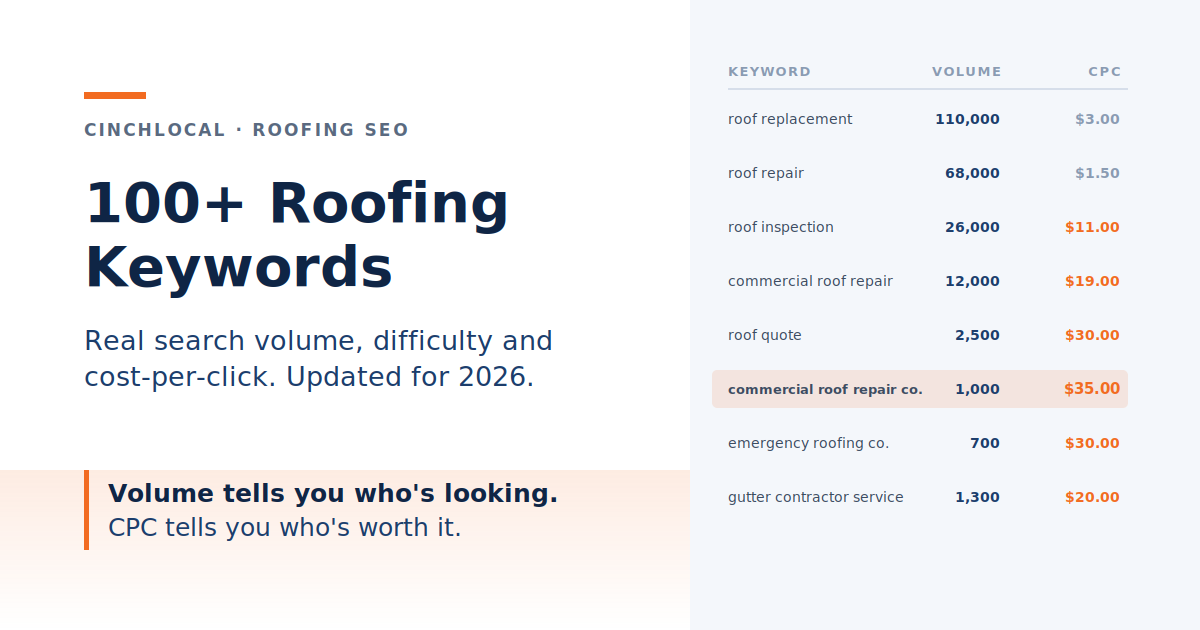
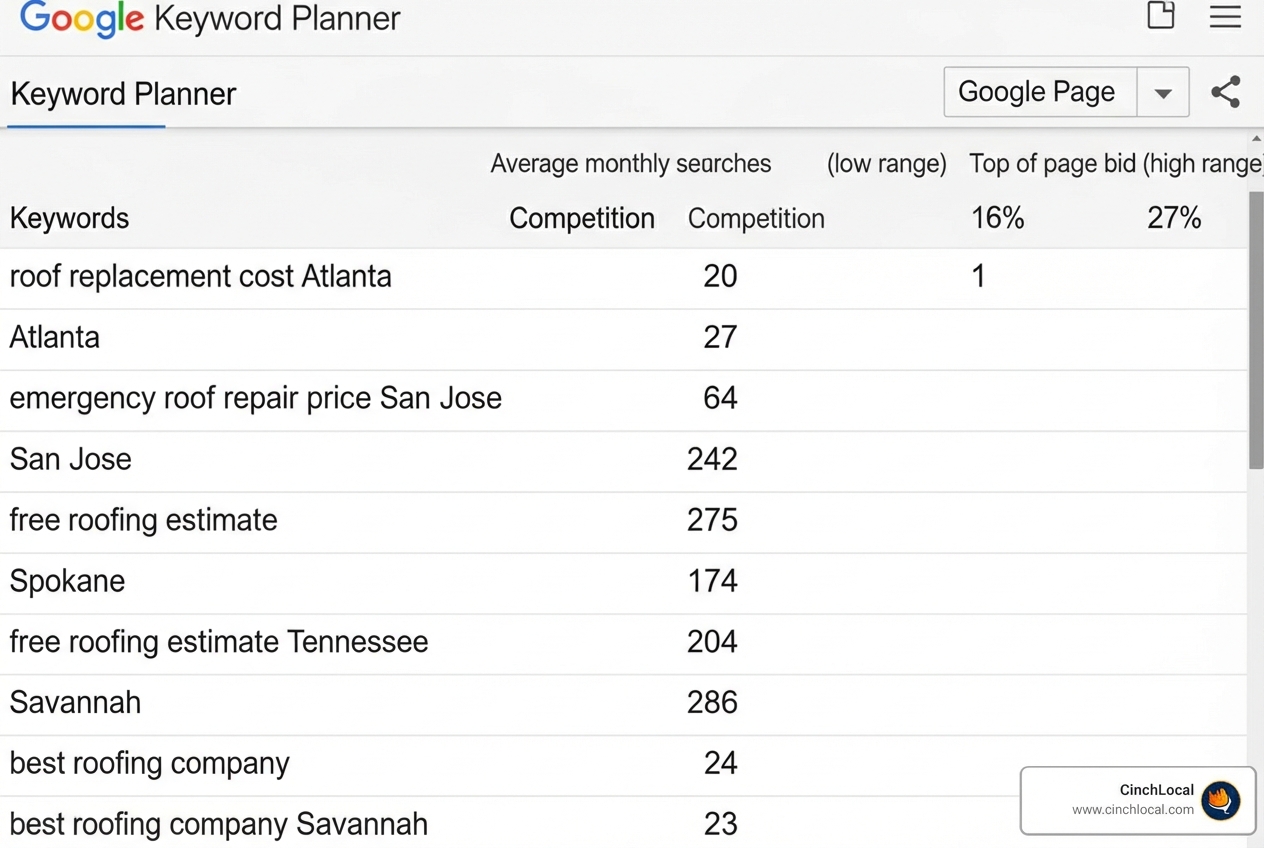
- Google Keyword Planner : This free tool (part of Google Ads) allows you to find new keywords and see estimated search volumes for your target locations. You can input your brainstormed service + location keywords and get suggestions for related terms, along with data on how often people search for them. It's a fantastic resource for expanding your list and prioritizing based on potential traffic. For a detailed walkthrough, refer to Google's official guide to Keyword Planner to learn how to use it effectively.
- Google Trends : Use Google Trends to gauge the popularity of search terms over time and compare different keyword variations. For example, you might compare "roofing contractor" vs. "roofer" in your specific state (Ohio, Tennessee, Georgia, California) to see which term is more prevalent in your area. This helps you understand seasonal demand for services like "storm damage repair."
- Google Search Console : Once your website is live and indexed, Search Console provides critical data on how your site performs in Google Search. Its "Performance" report shows you which queries your site is already ranking for, how many impressions and clicks you're getting, and your average position. This is gold for identifying current strengths and areas for improvement. You might find you're already ranking for some unexpected local terms!
- Google Business Profile Insights : Within your Google Business Profile dashboard, the "Insights" section tells you how customers are finding your business (e.g., direct search, findy search), what search queries they're using, and how they're interacting with your listing (calls, website visits, direction requests). This directly shows you which local keywords are currently driving actions.
By diligently using these free tools, you can refine your keyword list, understand your audience better, and see the direct impact of your efforts.
Using Advanced Tools for a Competitive Edge
While not strictly necessary to start, paid SEO tools can accelerate your research by providing competitor data, keyword difficulty scores, and backlink information all in one place. These tools offer a deeper level of analysis and automation that can give you a significant competitive edge, especially in saturated markets.
These advanced SEO software platforms often include features like:
- Competitor Keyword Gap Analysis : Identify keywords your competitors rank for that you don't.
- Difficulty Metrics : Assess how hard it will be to rank for a specific keyword against existing competition.
- Backlink Analysis : See which websites are linking to your competitors, helping you identify potential link-building opportunities.
- Content Exploration : Find popular content topics and formats related to your keywords.
While we won't name specific tools, understand that they aggregate vast amounts of data, saving you hours of manual research. For a growing roofing business that's serious about dominating its local market, investing in one of these tools can pay dividends by streamlining your keyword research and overall SEO strategy.
How to do research for local seo to Build Your Content Plan
Your final list of keywords is not just a document—it's the blueprint for your website's content. Organize your keywords to map them to specific pages, ensuring every valuable search term has a home on your website. This structured approach is the key to turning research into tangible results.
Here's how to build your content plan from your keyword research:
- Service Pages : For each core service (e.g., "Roof Replacement"), create a dedicated page. On this page, naturally integrate your service-specific keywords and their variations (e.g., "asphalt shingle replacement," "metal roof installation").
- Location Pages : For each major city or county you serve (e.g., "Roof Repair Nashville TN"), create a location-specific page. On these pages, combine your services with the local geo-modifiers. Discuss local regulations, weather challenges (like storm damage in Tennessee or California wildfires), and testimonials from customers in that specific area.
- Blog Posts : Use informational and long-tail keywords (e.g., "how to spot hail damage on a roof," "what to do after a roof leak") to create blog content. These posts answer common customer questions, establish your authority, and can attract users earlier in their decision-making process.
- Topic Clusters : Group related keywords and content into "topic clusters." For example, a main "Roof Repair" service page could be your pillar, with supporting blog posts on "emergency tarping," "leaky roof causes," and "common roof repair costs."
By carefully mapping your keywords to your website's structure and content, you create a comprehensive and authoritative online presence. This not only helps Google understand what your business is about but also provides a seamless experience for potential customers, guiding them from their initial search query to becoming a loyal client. This is the essence of a powerful content strategy driven by smart keyword research, which is truly local SEO's secret weapon for driving visibility.
Conclusion: Turn Your Research into Roofing Revenue
Effective local keyword research is the most critical first step in a digital marketing strategy that actually grows your roofing business. By following these four steps—brainstorming your services, adding geo-targets, analyzing competitors, and using the right tools—you build a powerful foundation to attract more local customers. This research is the blueprint for the content on your website, your Google Business Profile, and your local citations.
We've seen countless roofing contractors transform their businesses by simply understanding and applying these principles. It's not about being a tech wizard; it's about being strategic and methodical. The time you invest in understanding how to do research for local seo will pay dividends in increased visibility, more qualified leads, and ultimately, a healthier bottom line.
Putting this research into action is what separates the top roofers from the rest. If you want a guaranteed system to turn these keywords into pre-sold leads and dominate the Google Maps results in your area, see how the CinchLocal Roofer Footprint Expansion System can help. We take the guesswork out of local SEO, implementing proven strategies that put your roofing business precisely where potential customers are looking—right when they need you most.
Want Us to Uncover Hidden 'Footprint Gaps' And Critical Blind Spots That’s Quietly Draining Calls, Jobs, and Profits?
Simply Fill Out The Form Below:
What If You Could Stop Wasting $30K+ a Year on Dead-End Marketing - And Finally Become the Go-To Roofer in Your City?
Other Helpful Articles You Might Enjoy