


Cary Byrd // Founder of CinchLocal
Why a Professional Roof Estimate Template Wins You More Jobs
A roof estimate template is the fastest way to create accurate, professional bids that homeowners trust — and here are the essential elements every one should include:
| Element | What to Include |
|---|---|
| Company Info | Logo, license number, insurance proof, contact details |
| Client Details | Name, property address, phone, email |
| Estimate Number & Date | Unique ID, issue date, validity period (typically 30 days) |
| Scope of Work | Detailed line items: tear-off, materials, labor, permits, cleanup |
| Cost Breakdown | Material costs, labor rates, waste factor, subtotal, taxes, total |
| Warranties | Workmanship warranty (years) + manufacturer material warranty |
| Payment Terms | Deposit amount, progress payments, final payment schedule |
| Terms & Conditions | Change order process, cancellation policy, dispute resolution |
Homeowners compare an average of 3.2 roofing bids before choosing a contractor. That means your estimate isn't just a price — it's a first impression. Contractors using professional, detailed estimates see a 47% higher close rate and average $4,200 more per ticket compared to those handing over a rough number on a notepad.
The difference between winning and losing a job often comes down to how professional your paperwork looks — before a single shingle is lifted.
I'm Cary Byrd, founder of CinchLocal, a roofing-focused digital marketing agency, and I've spent years helping roofing contractors turn every touchpoint — including the roof estimate template — into a lead-converting, trust-building tool. In this guide, I'll walk you through everything you need to build estimates that close deals faster and protect your business.
The Anatomy of a Professional Roof Estimate Template
A professional roofing estimate is much more than a simple price tag; it is a comprehensive document that outlines the entire scope of a project. When we provide a roof estimate template to a client, we are providing a roadmap for their home’s protection. Clarity is our "north star" here. If a homeowner can't understand what they are paying for, they are likely to choose a competitor who explains it better.
The foundational elements of any high-quality template must include your company branding, the client's contact information, a specific project address, and a unique estimate number. It is also vital to include a validity period—usually 30 days—to protect your business against fluctuating material costs. You can download our free job estimate template to see exactly how these fields should be arranged for maximum impact.
Customizing Your Roof Estimate Template for Branding
Your estimate is a marketing tool. Integrating your logo, using professional fonts, and sticking to your brand’s color scheme helps you stand out in a stack of plain white papers. Beyond aesthetics, your template should prominently display your license numbers and proof of insurance. In states like Ohio, Tennessee, Georgia, and California, homeowners are increasingly savvy about verifying credentials.
Showing these details upfront builds immediate trust. This level of professionalism should extend to your entire digital presence. For instance, building a high-converting roofing website ensures that when a client looks you up after receiving your estimate, they see a consistent, authoritative brand.
Essential Line Items for Every Roofing Bid
To avoid "he-said, she-said" disputes, your roof estimate template must be granular. We recommend breaking down the following line items:
- Tear-off costs: Specify if you are removing one or two layers of old roofing.
- Underlayment specs: Are you using standard felt or high-performance synthetic underlayment?
- Shingle types: List the exact brand, line (e.g., architectural vs. 3-tab), and color.
- Flashing details: Mention chimney, valley, and wall flashing replacements.
- Ventilation: Detail the type of ridge vents or soffit vents being installed.
- Cleanup and Permits: Explicitly state that magnetic sweeping and permit acquisition are included.
Calculating Costs: Materials, Labor, and the 10-15% Waste Factor
Accuracy in your "takeoff" is the difference between a profitable job and a loss. We measure roof size in "squares," where one square equals 100 square feet. However, a flat measurement isn't enough. You must account for the roof pitch (slope) and complexity.
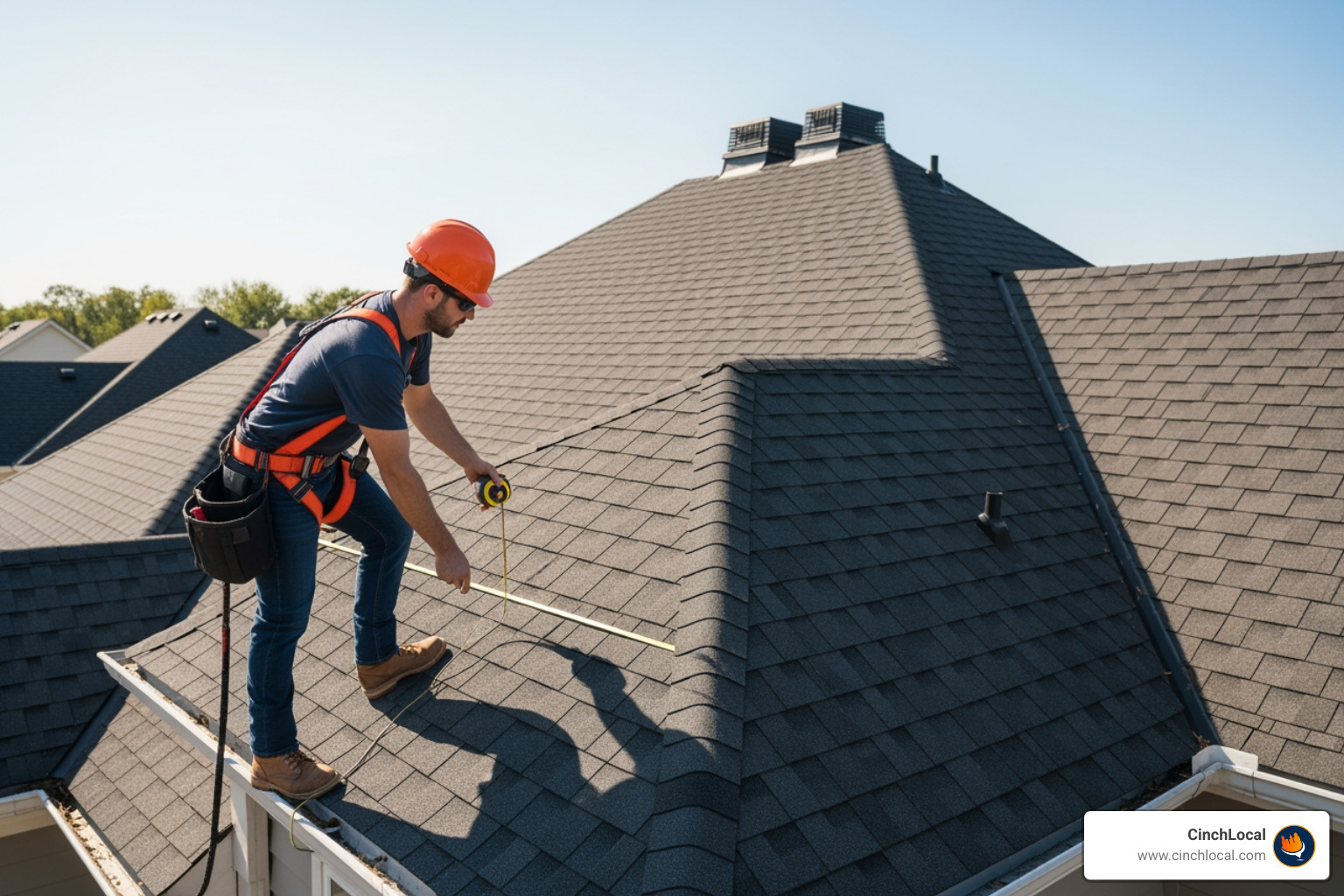
A common mistake is failing to account for waste. For a simple gable roof, a 10% waste factor is usually sufficient. However, for a complex hip roof with multiple valleys, you should factor in 15% or more.
| Roof Type | Recommended Waste Factor |
|---|---|
| Simple Gable | 10% |
| Standard Hip | 12% - 13% |
| Complex/Multi-Level | 15% + |
If you are dealing with insurance work, accuracy is even more critical. Partnering with specialists like Supplement Experts – Roofing Supplement Company can help you identify missed line items that insurance adjusters often overlook.
Accurate Material Takeoffs and Pricing Benchmarks
Material prices are volatile. With wages up approximately 4.6% year-over-year, your roofing estimate template needs to reflect current market rates. Whether you are quoting standard asphalt shingles or premium metal roofing, ensure your supplier prices are updated at least monthly.
We suggest maintaining a roofing website design checklist that includes updating your online "starting at" prices to manage customer expectations. Offering bulk discounts for larger projects can also be a powerful closing tool in your template.
Factoring in Contingencies and Hidden Damage
The "unforeseen" is a constant in roofing. Your estimate should always include a contingency buffer—typically 5-10%—for items like rotted decking or structural repairs that aren't visible until the tear-off begins.
Specify the cost per sheet for plywood replacement so the homeowner isn't shocked by a change order later. This transparency reduces "form abandonment" in the sales process. Research shows that 67% of users will abandon forms if they encounter issues or confusing information; the same logic applies to your physical or digital estimates.
Good-Better-Best Pricing: How to Increase Your Average Ticket by 34%
One of the most effective sales strategies we teach at CinchLocal is tiered pricing. Instead of giving one number, provide three options: Good, Better, and Best. This leverages "price anchoring," where the middle option often becomes the most attractive "value" choice.
By presenting these options side-by-side, you move the conversation from "Should I hire this contractor?" to "Which of these three options is best for my home?" This psychological shift can increase your average ticket size by 34%. For inspiration on how to present these options digitally, check out some of the best roofing website designs that use interactive pricing tables.
Why Homeowners Choose the Middle Option
The "Better" option typically offers the best balance of risk mitigation and value. It often includes premium shingles and an extended workmanship warranty without the "luxury" price tag of the "Best" option. This strategy is a staple for generating high-quality roofing leads because it empowers the homeowner to make an informed decision.
This approach also utilizes the endowed progress effect, a psychological phenomenon where people are more likely to complete a task (like signing a contract) if they feel they have already made progress in the decision-making process.
Offering Financing to Boost Close Rates by 20-40%
Price is often the biggest barrier to a new roof. By including financing options directly in your roof estimate template , you show the homeowner that a $15,000 roof is actually just $180 a month. This makes premium upgrades affordable and can boost your close rates by 20-40%.
If you're wondering how to integrate these tools into your sales flow, our guide on how to build a roofer website covers the technical side of adding financing calculators to your digital presence.
Streamlining Your Workflow with Digital Roofing Estimate Templates
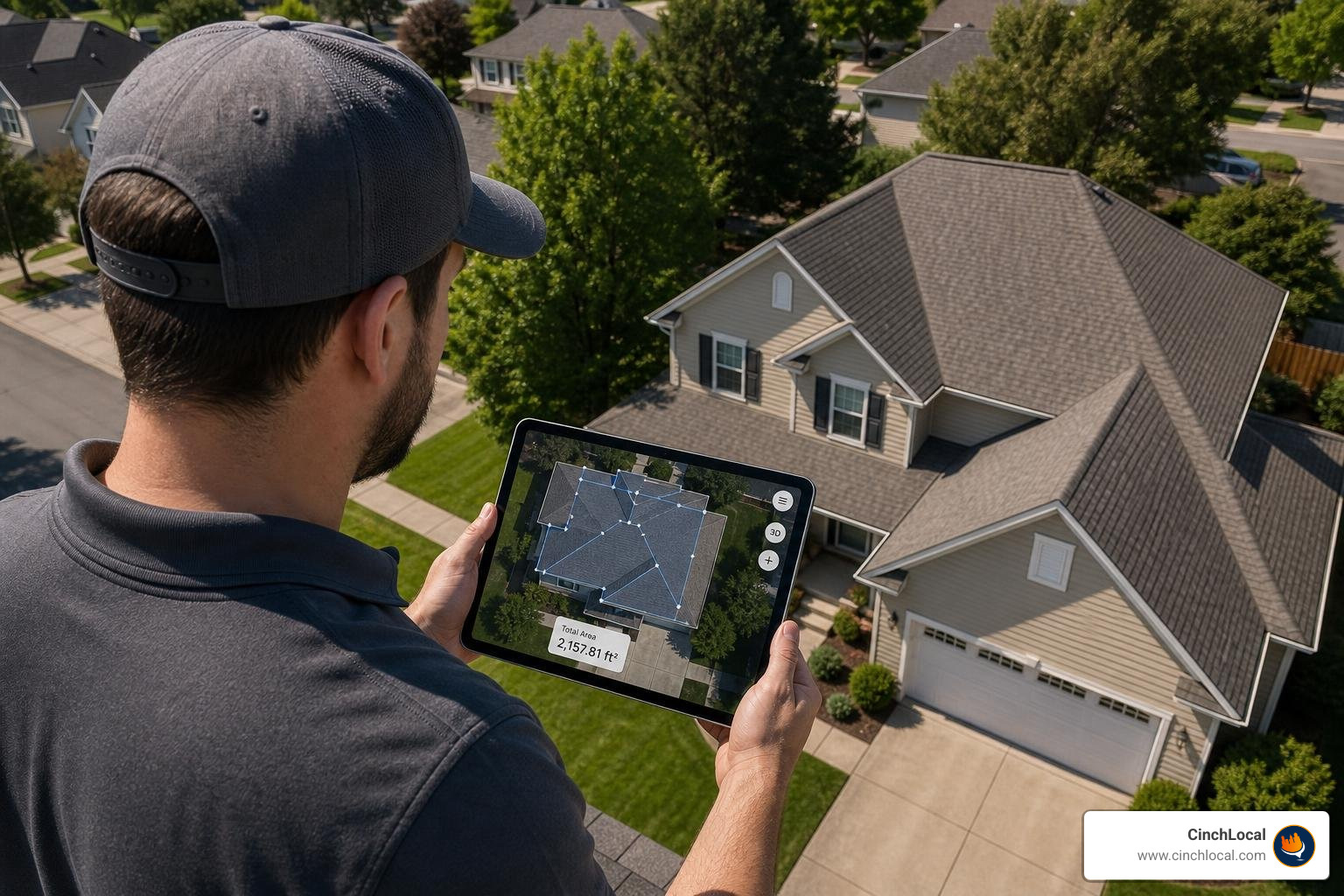
Speed is a competitive advantage. In the roofing industry, the first contractor to deliver a professional estimate often wins the job. Digital templates allow for same-day turnaround, sometimes even before you leave the customer's driveway.
Using a streamline-roofing-projects-roof-estimate-template-guide can help you transition from paper to a cloud-based system. This ensures your data is accessible from the field and that your calculations are always error-free.
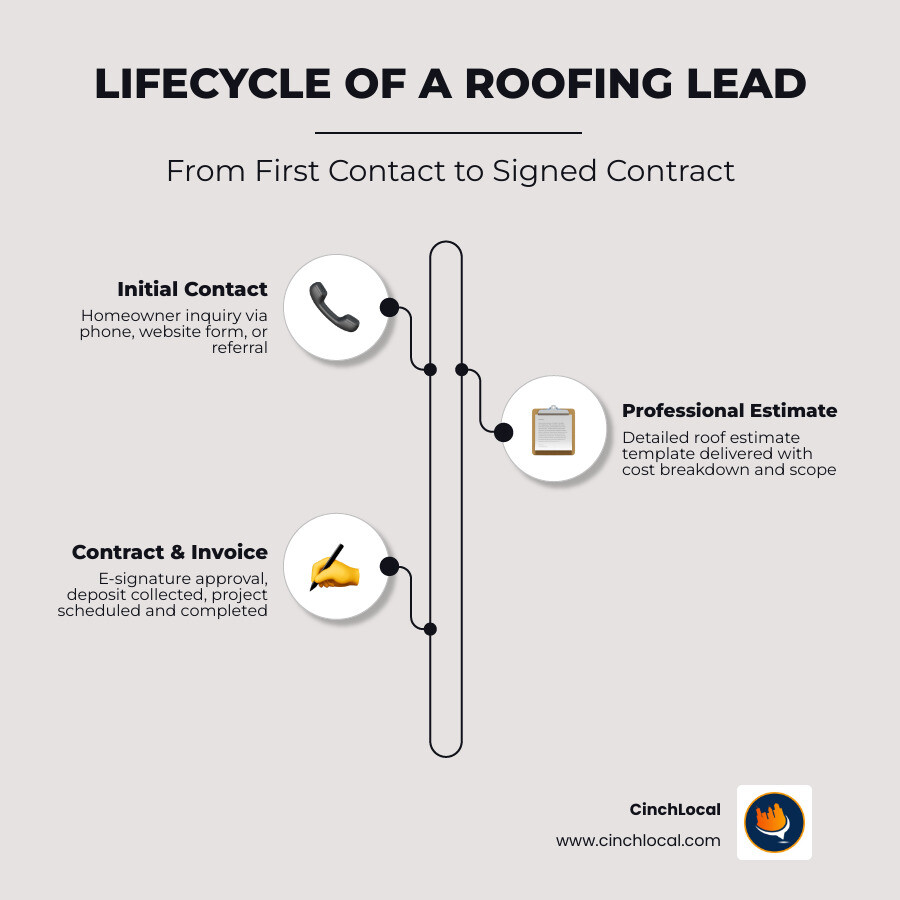
Converting a Roof Estimate Template into a Signed Contract
Once a homeowner selects an option, your template should easily convert into a formal contract. Digital tools allow for e-signatures, which removes the friction of physical paperwork. Ensure your contract includes clear legal language regarding deposits and project scheduling.
If you are still learning the ropes of digital business management, our resource on how to make a roofer website without breaking a sweat provides excellent tips on integrating e-commerce and signing features.
Automating Follow-Ups for Unsold Estimates
An estimate that isn't followed up on is a wasted opportunity. By integrating your roof estimate template with a CRM, you can automate text and email reminders.
Contractors who automate their follow-ups see significantly higher conversion rates. Having a website that acts as a hub for these interactions is key; you can see examples of this in action on our roofing-websites gallery.
Legal and Protection: Terms, Conditions, and Warranties
Your roof estimate template must protect your business as much as it informs the client. This means clearly defining your workmanship warranty versus the manufacturer’s material warranty.
A comprehensive ultimate-checklist-for-roofing-contractor-websites should include a section for your legal terms, covering everything from payment schedules to dispute resolution.
Specifying Workmanship vs. Manufacturer Warranties
It is vital to explain that while a shingle might have a 50-year manufacturer warranty against defects, your workmanship warranty covers the installation itself (typically 5-25 years). Clearly list exclusions, such as damage from extreme weather or lack of maintenance. Using roofing-website-templates-designs-that-nail-it can help you present these legalities in a way that is easy for homeowners to digest.
Protecting Your Business from Scope Creep
Scope creep happens when additional work is performed without a formal price adjustment. Your roofing estimate template should include a "Change Order" clause. This ensures that if you find three layers of shingles instead of two, you have a pre-agreed process for billing the difference.
Additionally, include terms for daily cleanup and property protection (like using "Catch-All" systems). If you are working on insurance restoration, ensure you have a partner like Supplement Experts to help document these unforeseen conditions for the carrier.
Frequently Asked Questions about Roofing Estimates
Should I charge for a roofing estimate?
In most cases, residential roofing estimates are free. This is the industry standard in the USA to remain competitive. However, if you are performing a deep-dive forensic inspection for a commercial property or a detailed report for a real estate transaction, charging a fee is acceptable. Often, contractors will credit this fee back to the homeowner if they sign the contract.
What is a fair markup for roofing materials and labor?
Most successful roofing contractors use a markup between 20% and 40%. The goal is generally to maintain a gross margin of 35% to 50%. This margin is necessary to cover your overhead (insurance, trucks, marketing) and still leave room for a healthy profit.
How do I handle insurance claims in my estimate?
When handling insurance claims, your estimate should mirror the format adjusters expect, often using line items similar to Xactimate. Be sure to document all code upgrades—such as Drip Edge or Ice and Water Shield—that are required by local law but might be missing from the initial adjuster's report.
Conclusion
Professionalism in estimating is the foundation of a successful roofing business. By utilizing a structured roof estimate template , contractors can ensure accuracy, protect their margins, and build immediate trust with homeowners. A well-crafted estimate doesn't just provide a price; it proves your value and sets the stage for a smooth, profitable project.
For contractors looking to dominate their local market and generate pre-sold leads, CinchLocal provides the specialized marketing systems needed to turn professional estimates into a consistent stream of high-value projects. If you're ready to see how our "Roofer Footprint Expansion System" can scale your business in Ohio, Tennessee, Georgia, or California, view our results and see why we are the preferred partner for growth-minded roofers.
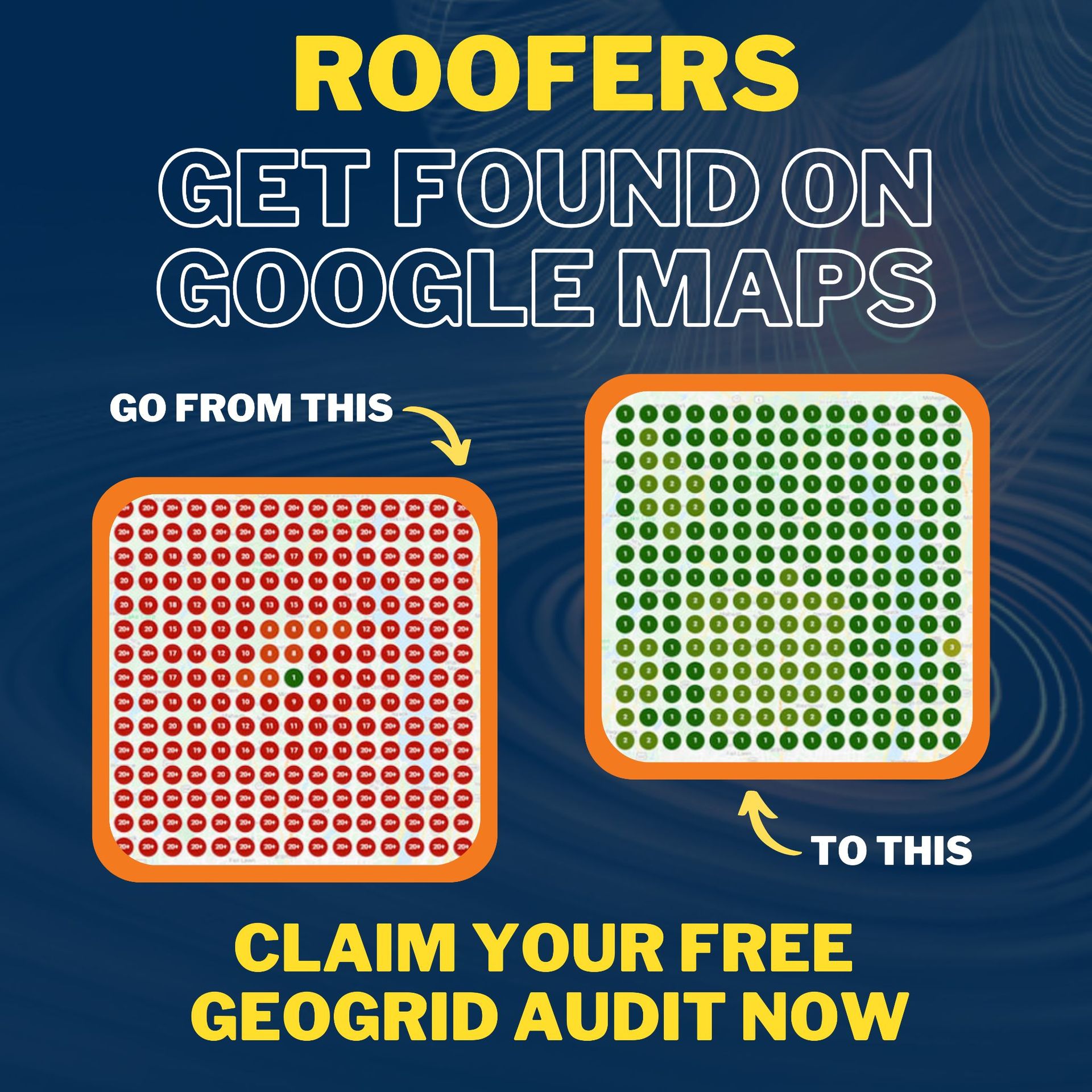
Ready to stop chasing leads and start closing them? Contact CinchLocal today to learn how we can help you dominate Google Maps and become the go-to roofer in your area.
Want Us to Uncover Hidden 'Footprint Gaps' And Critical Blind Spots That’s Quietly Draining Calls, Jobs, and Profits?
Simply Fill Out The Form Below:
What If You Could Stop Wasting $30K+ a Year on Dead-End Marketing - And Finally Become the Go-To Roofer in Your City?
Other Helpful Articles You Might Enjoy