
ROOFER FOOTPRINT EXPANSION SYSTEM
Lead the Pack with Google Maps SEO & Local SEO Services for Roofers.
As one of the Top 5 roofing SEO agencies in the country, CinchLocal is the only one specializing in Google Maps SEO for Roofers. We offer premier Google Maps and Local SEO services designed to boost your visibility and dominate your local market.
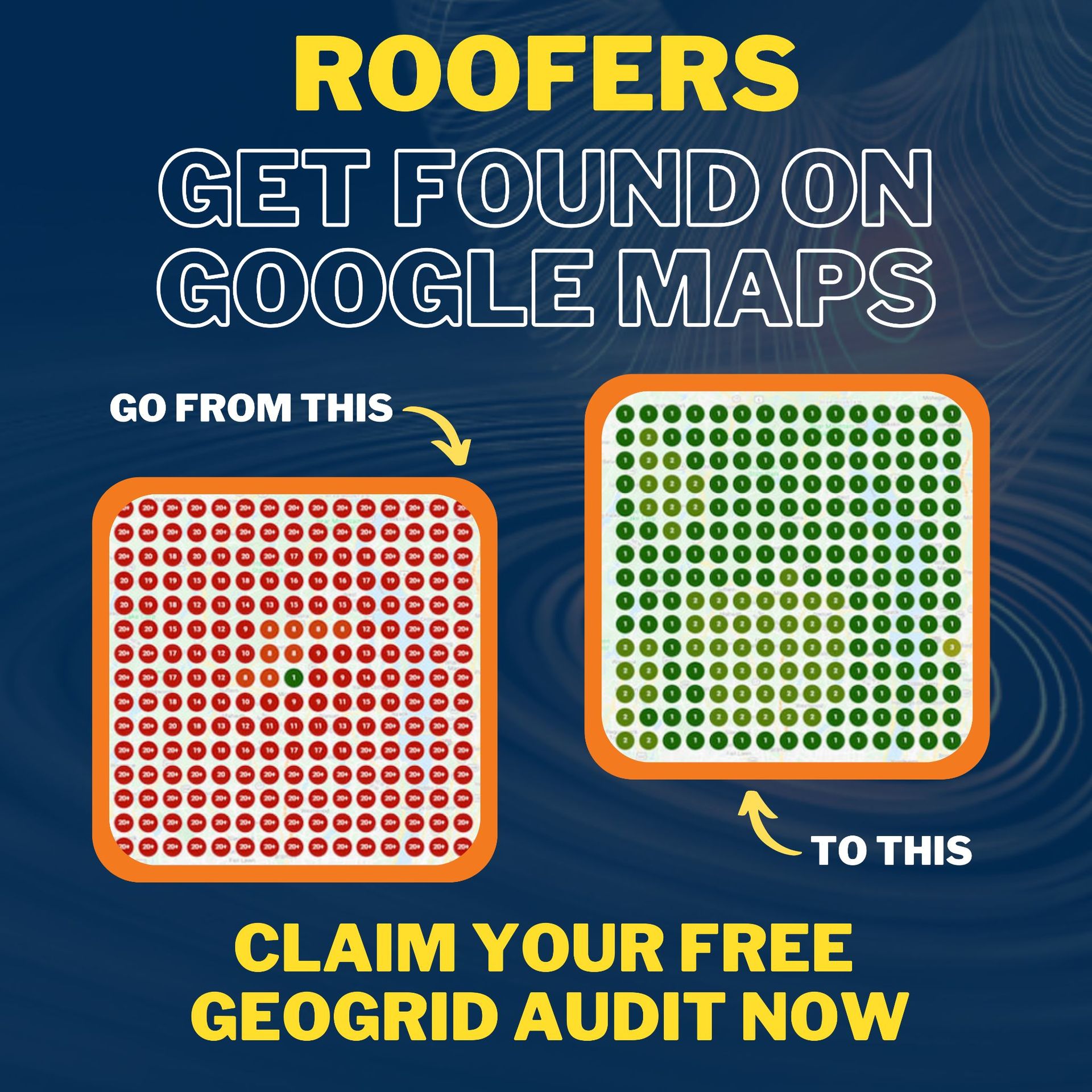
The easiest way for your roofing business to rise to the top of Google Maps and increase local SEO visibility!
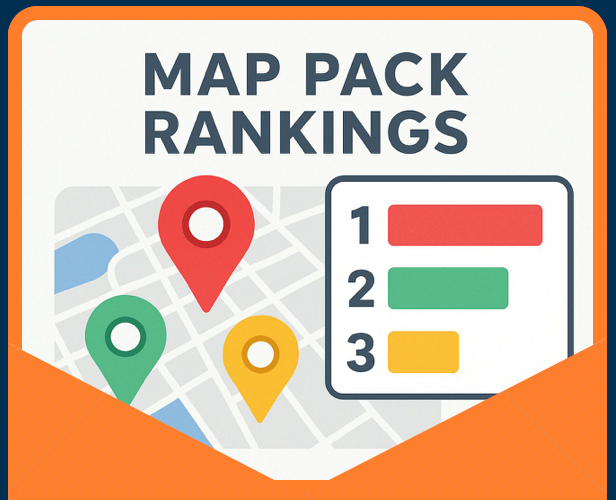
- Become #1 in Google Map 3-pack for all your keywords
- Get the "Lion's Share" of the leads & phone calls in your city
- Generate more phone calls, already pre-sold on your services
READY FOR YOUR GOOGLE MAPS SEO RANKINGS TO GO THROUGH THE ROOF?
We guarantee to increase your maps visibility in 30 days or we work for free.
Ready to Boost Your Roofing Business?
With CinchLocal's expert roofing SEO strategy, you'll rank at the top of search results, build trust with homeowners, and attract more customers.
Skyrocket Your Google Map 3-Pack Rankings With Our Local SEO Service
Don't leave your Local SEO strategy up to chance. Our new DFY Google Maps SEO service for roofing contractors is guaranteed to boost your roofing keywords and organic traffic, increase your visibility, and skyrocket your rankings.
Guaranteed to Increase Maps Visibility
We will run baseline reports and if we don't increase your visibility in 90 days we will continue to work for free until we do.
Roofing SEO Is Our Specialty
We use keyword research and SEO best practices to craft roofer useful content that drives traffic.
Google Business Profile Optimization
We use our 'tried and true' Google Business Profile ranking strategies for Google Map's coveted 3 pack that works
Grow Your Roofing Business
Stop wasting time, don't let your competitors jump ahead of you and start watching your profits and efficiency soar

W H Y R O O F E R S
Google Maps SEO That Pays for Itself
Investing in Google Map SEO for your roofing business can feel daunting and time-consuming, so why bother? Here are a few compelling stats:
How Getting Ranked in Google Maps Can Help You
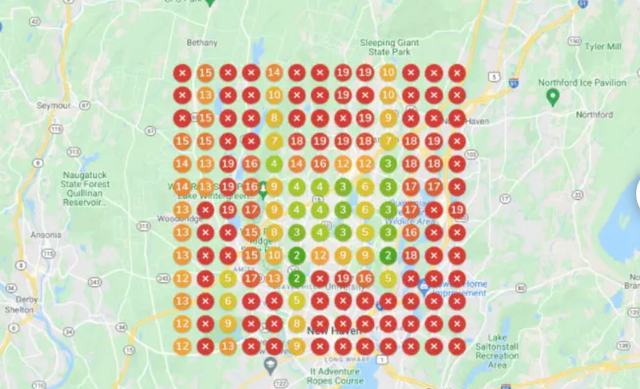
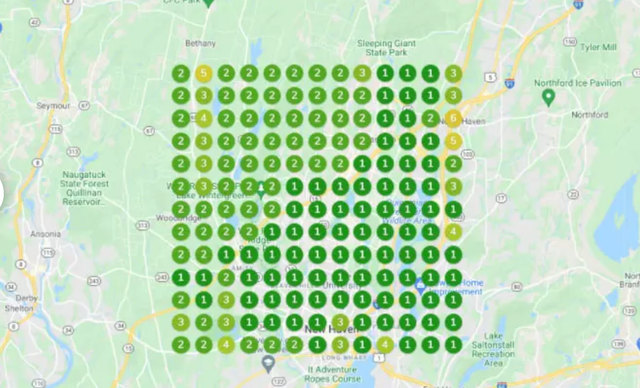
"Roofers, Get More Calls, More Jobs, & More Growth."
WE GUARANTEE TO INCREASE YOUR MAPS VISIBILITY AFTER FIRST MONTH OR WE WORK FOR FREE.

How It Works
1. Place Your Order
Purchase your Google Maps SEO package below through our secure order form.
2. Client Onboarding
After your purchase, then we will send you a Roofer Client Onboarding form to fill out.
3. Starting Your Campaign
Our team will rush to get started on your Google Maps SEO roofer campaign.
4. Keeping You In the Loop
We will send you a link to all the work, reports, deliverables, and future work yet to be done.
5. Our Guarantee to You
We guarantee if your local visibility does not improve in 90 days we will work for free!
⚡ Footprint Expansion System™
Organic SEO + AI-Optimized Content + Google Maps SEO + AI Visibility Tracking
The 7-Stage System designed to make your roofing company the #1 visible and trusted brand across Google, Maps, and AI search engines.
🧭 1. Customized Local SEO Strategy
- We build a roadmap tailored to your market, not a cookie-cutter plan.
- Deep research into your website, service area, and ideal customers.
- Smart keyword clustering to maximize visibility and prevent overlap.
- Local intent mapping that targets the exact neighborhoods you want to dominate.
✍️ 2. AI + E-E-A-T Content Creation
- High-performance, AI-optimized content built to rank and convert.
- 10 long-form blog posts per month, optimized and published to your site.
- Tone, voice, and brand style customized for your business.
- Includes AI-generated + stock images, metadata optimization, and schema markup.
- Designed for discoverability by ChatGPT, Perplexity, Gemini, Grok, and Copilot.
- Feedback-driven continuous optimization for better long-term results.
🔗 3. Backlink Authority Building
- Grow your authority and trust online through strategic link outreach.
- Journalist and industry blog outreach for DA 45+ backlinks.
- Focus on relevant, local authority sites to boost organic rankings.
- Monthly link performance tracking and toxic link prevention.
🧠 4. Competitor Intelligence & Insights
- Turn your competitors into your blueprint for local market domination.
- Track their top keywords, backlinks, and content strategies.
- Identify ranking gaps and revenue-driving opportunities.
- Get actionable strategies to outperform every local rival.
⚙️ 5. Website Optimization & Technical SEO
- Make sure your site not only ranks—but converts visitors into leads.
- Optimize title tags, meta descriptions, header structure, and schema.
- Fix site-speed and mobile UX issues that impact conversions.
- Technical audits to maintain peak SEO health and user experience.
📍 6. Google Maps SEO & GBP Optimization
- Own your local map pack with proven optimization strategies.
- Weekly GBP posts with custom graphics and review-based content.
- Geotagged images, Q&A creation, and cross-posting to Facebook + Instagram.
- Monthly GeoGrid visibility reports + 17-point location page optimization.
- Review replies, flagging of negative reviews, and proactive review generation.
🤖 7. AI Visibility Report & Reputation Tracking
- Measure how your roofing brand shows up across AI search engines — a first-of-its-kind report exclusive to CinchLocal clients.
- Visibility tracking on ChatGPT, Claude, Google AI, Perplexity, and Gemini.
- AI Mentions Summary: how often your business appears in real AI prompts.
- Competitor Mentions Report: see which companies are getting mentioned more—and why.
- Prompt Position Report: shows which AI results you appear in and at what rank.
- Monthly updates with actionable insights to boost your brand’s AI discoverability.
Per month, no hidden fees. Cancel anytime.
Risk-free guarantee.
Requirements:
Access to your Google Business Profile (GBP) + Google Search Console + Website + Social Media Channels.
No long-term contracts. Cancel anytime if it’s not delivering.
✅ Most clients
see results within 4 weeks.

Cary Byrd
Founder // CinchLocal
We want you to feel confident in every purchase you make with us, which is why we don't have any long-term contracts because we want to earn your trust day in and day out. We are confident in our processes and abilities that if we don't increase your visibility in Google Maps after the first month, then you don't pay.
ACCOLADES
What They Say About Us
AS SEEN IN