
The Ultimate Orange County Roof Inspection Shortlist

Cary Byrd // Founder of CinchLocal
Why Roof Inspection Services in Orange County Are a Growth Opportunity You Can't Ignore
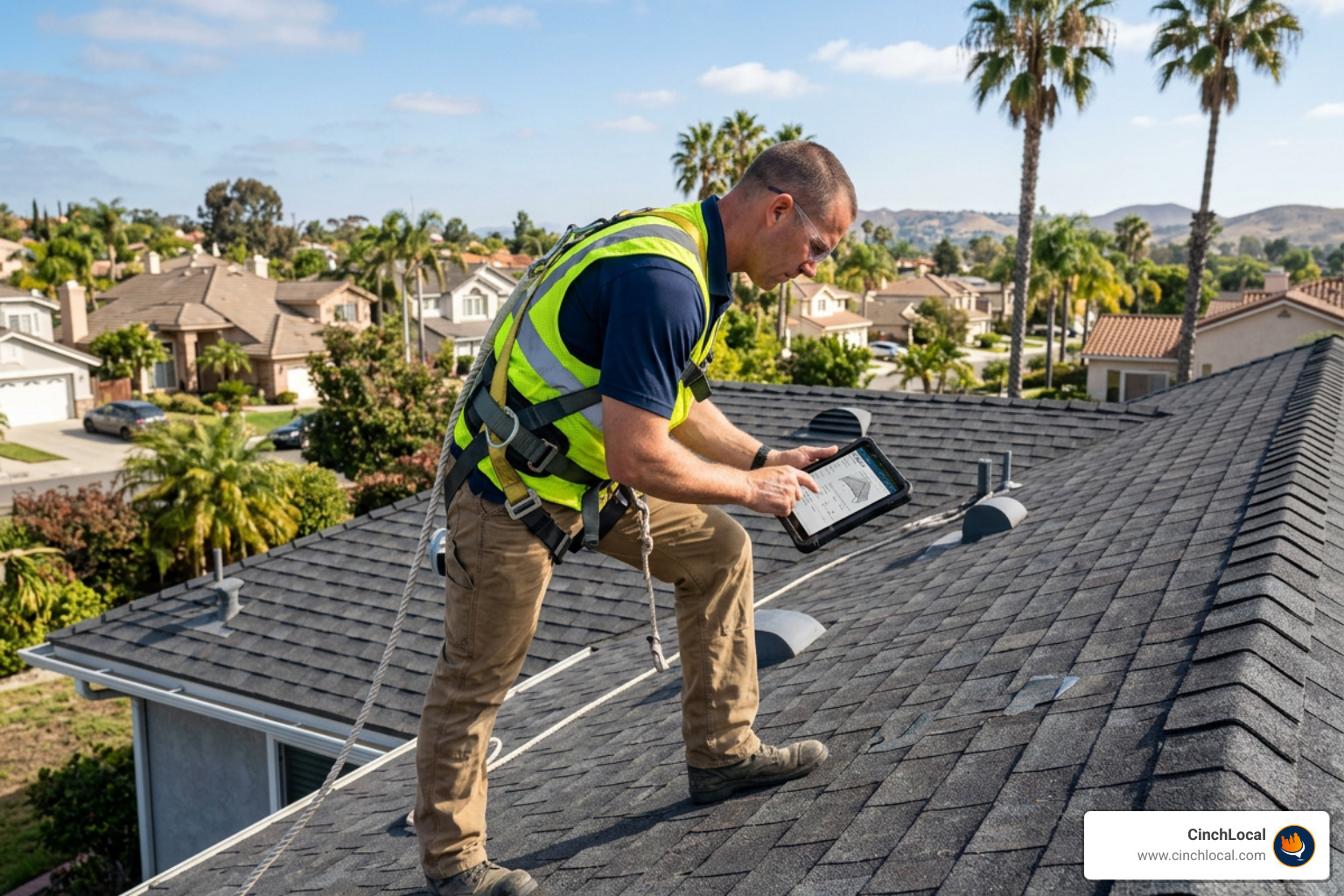
If you're a roofing contractor in Southern California, roof inspection services in Orange County represent one of the most in-demand — and underserved — offerings in your local market right now.
Here's a quick snapshot of what Orange County homeowners are looking for:
| What Homeowners Need | Why It Matters to Your Business |
|---|---|
| Annual or bi-annual roof inspections | Recurring revenue, not just one-time jobs |
| Formal written reports with photos | Required for insurance claims and real estate deals |
| Tile and asphalt-specific expertise | OC's most common roof types need specialized knowledge |
| Insurance-ready documentation | Insurers increasingly use drone/satellite imagery to flag roofs |
| Pre-purchase inspections | High home turnover in OC creates steady demand |
Orange County's Mediterranean climate — intense UV exposure, Santa Ana winds, and occasional heavy rain — accelerates roof wear faster than homeowners realize. Most don't know their roof needs attention until water is already dripping from the ceiling.
That's where you come in.
A professional roof inspection isn't just a service call. It's a trust-building entry point that converts into repair contracts, replacements, and long-term customer relationships. Contractors who offer structured, documented inspections consistently outperform those who only respond to emergencies.
I'm Cary Byrd, founder of CinchLocal and a roofing marketing strategist who has helped contractors across Southern California grow their lead pipelines — including leveraging roof inspection services in Orange County as a front-door service that feeds larger, higher-margin jobs. This guide is built specifically for roofing contractors who want to turn inspections into a scalable, revenue-generating system.
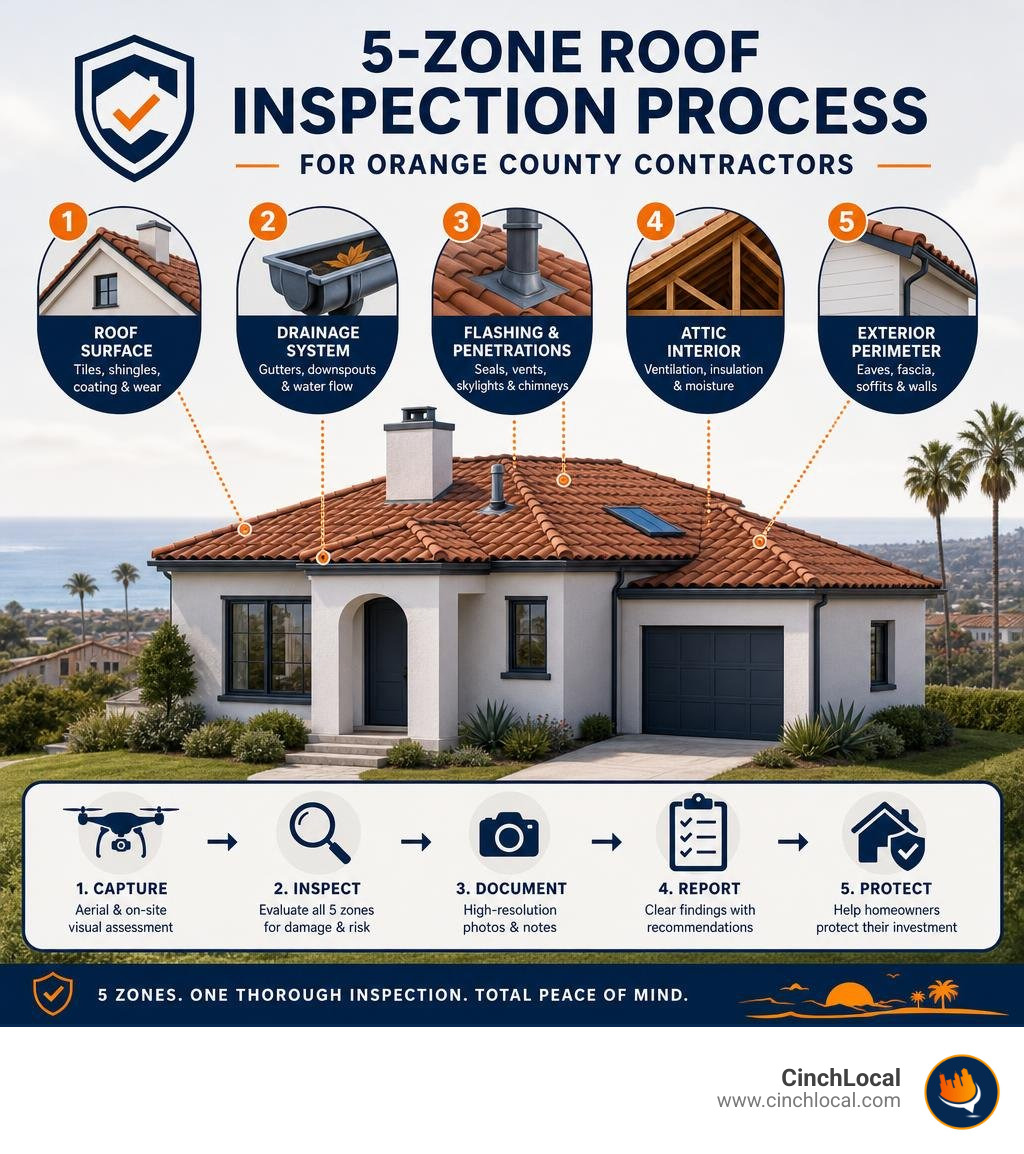
Simple roof inspection services orange county word guide:
Why Offering Premium Roof Inspection Services in Orange County is a Goldmine for Contractors
A premium roof inspection program is the single most effective organic lead generation tool a residential roofing business can deploy. Instead of spending thousands on low-quality third-party leads, positioning your team as certified roof inspectors allows you to build immediate authority and secure high-intent clients.
In Orange County, property owners are highly protective of their investments. When a homeowner searches for a professional to evaluate their roof, they are rarely looking for a quick, unrecorded "free estimate" from the back of a truck. They want expert validation. By shifting your front-end offer from "free estimates" to a comprehensive, multi-point audit, you instantly differentiate your brand.
This strategy is highly effective because of how insurance carriers operate in July 2026. Major insurance companies are now utilizing high-resolution drone flights and satellite imagery to proactively flag roofs with visible wear, algae, or minor damage. When a homeowner receives a notice from their insurer demanding a roof evaluation, they do not need a sales pitch — they need a certified, photographic inspection report.
By educating your team to stop guessing on the roof and instead start auditing your roof with forensic precision, you turn a simple inspection into a trusted advisory relationship. This transparent approach breaks down the natural sales resistance homeowners have, paving the way for lucrative repair and replacement contracts.
The 5-Zone Inspection Framework: What Your Technicians Must Document
To command premium fees and win the trust of local property owners, your field technicians must follow a structured, standardized inspection protocol. The National Roof Certification and Inspection Association (NRCIA) champions a five-zone framework that ensures no leak-prone area is overlooked.
This systematic approach covers:
- The Interior Ceiling: Checking for water stains, mold, or active moisture.
- The Attic Space: Assessing the underside of the deck, structural rafters, and ventilation.
- The Building Perimeter: Inspecting eave boards, rafter tails, and fascia.
- The Attached Garage: Evaluating structural integrity and firewall penetrations.
- The Rooftop Surface: Analyzing the primary roofing materials, flashings, and valleys.
Using a modern drone roof inspection service allows your team to safely capture high-resolution imagery of hard-to-reach areas, which is especially critical on steep-slope tile roofs common in South Orange County. By providing homeowners with detailed photographic evidence, you eliminate the "invisible problem" hurdle.
For contractors looking to model their inspection criteria after established local standards, reviewing the standard protocols used by national trade organizations like the National Roofing Contractors Association can provide excellent blueprints for structuring your physical field checklists.
Standardizing Your Exterior Roof Inspection Services in Orange County
Your exterior evaluation must focus heavily on the transition points where water intrusion is most likely to occur. Technicians should systematically inspect:
- Plumbing Flashings and Vent Stacks: Verifying that rubber boots are not cracked or dry-rotted by Southern California’s intense UV rays.
- Chimney and Skylight Flashings: Inspecting counter-flashing, step-flashing, and cricket structures.
- Valleys and Waterways: Checking for debris accumulation, metal corrosion, or tile displacement.
- Rafter Tails and Eave Boards: Looking for dry rot, wood boring beetle damage, or early signs of water run-back.
By standardizing these checks, your reports will mirror the comprehensive quality of a dedicated, high-end inspection company, elevating your brand above contractors who only perform cursory visual checks from the ground.
Interior and Attic Assessments: Spotting Hidden Failures
The attic holds the true story of a roof's health. A rooftop may look pristine from the outside, but a poorly ventilated attic can cook asphalt shingles from the inside out or cause moisture to condense on structural deck boards.
During the interior phase of your roof inspection services orange county , your technicians must evaluate the attic's thermal dynamics. Check for compressed insulation, rusted nails (a sure sign of high humidity), and blocked soffit vents. Implementing the strategies found in our attic ventilation playbook will help your team accurately diagnose whether a roof's premature aging is caused by poor airflow, allowing you to upsell valuable ventilation upgrades during the repair process.
Navigating Orange County Compliance: Title 24, Wildfire Zones, and HOA Hurdles
Operating a roofing business in Orange County requires a deep understanding of local regulatory frameworks, architectural guidelines, and environmental hazards. You aren't just selling shingles; you are selling compliance.
First, California’s Title 24 Building Energy Efficiency Standards mandate the use of "cool roofs" (highly reflective and emissive surfaces) for new roofs and significant re-roofing projects. Your inspection reports must clearly explain how these standards affect the homeowner's replacement options, turning a legal requirement into an energy-saving selling point.
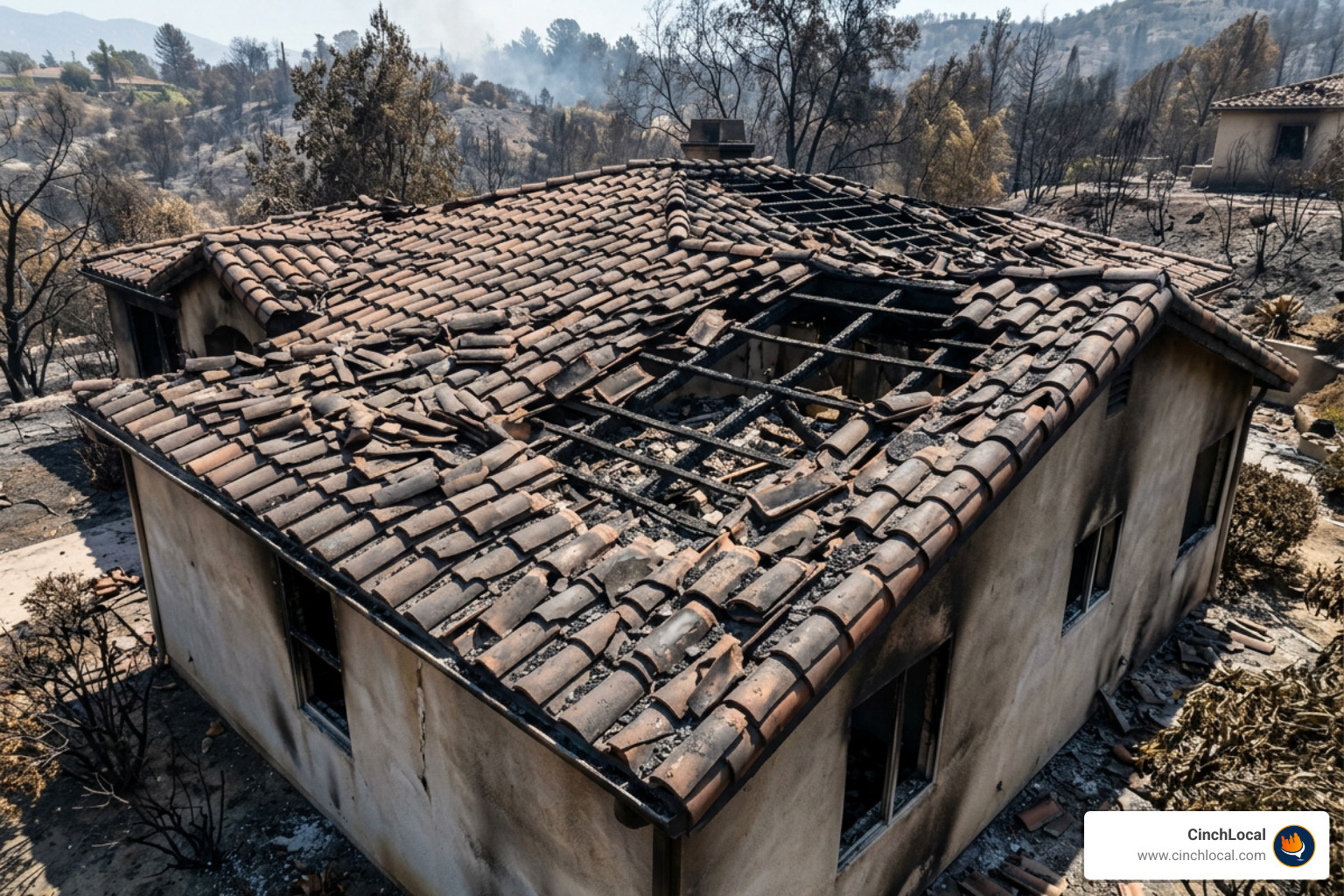
Second, many master-planned communities in cities like Irvine, Mission Viejo, and Laguna Niguel are governed by strict Homeowners Associations (HOAs). These organizations have stringent guidelines regarding acceptable roofing materials, colors, and profiles. Additionally, properties located in Wildland-Urban Interface (WUI) zones must utilize Class A fire-rated roofing materials to protect against wildfire embers.
To see how top-tier local contractors present these complex compliance details to clients, look at how local municipal codes are structured by visiting the California Department of Housing and Community Development for state-wide building standards.
How to Leverage Roof Inspection Services in Orange County for Insurance Claims
Orange County's weather patterns present unique challenges. While hail is rare, the region regularly experiences powerful Santa Ana winds that can lift asphalt shingles, rattle clay tiles, and throw heavy tree limbs onto residential structures.
When wind or storm damage occurs, homeowners are often thrust into a stressful insurance claims process. A standard contractor's estimate is rarely enough to satisfy an adjuster. However, a formal, multi-page inspection report complete with date-stamped photos, wind-uplift analysis, and clear repair recommendations is highly persuasive.
By training your sales representatives on how to document wind damage and navigate the claims process — using resources like our roof repair after hail manual — you can establish your business as a preferred partner for local property owners. For reference on how local repair teams leverage inspections to resolve disputes with insurance companies, examine the claim-supporting documentation guidelines provided by the California Department of Insurance.
Converting Inspections into High-Value Repair and Replacement Contracts
The ultimate goal of offering professional roof inspections is to transition those assessments into high-margin construction contracts. This transition must be handled with absolute transparency to maintain the trust you built during the inspection.
When presenting the inspection report, always provide the homeowner with options. If the roof has 3 to 5 years of remaining service life, do not force a full replacement. Instead, offer a targeted repair plan paired with a maintenance agreement. This honest approach often leads to the client choosing your company when the time eventually comes for a complete replacement.
When repairs are necessary, explain the benefits of addressing issues early versus waiting for an emergency. You can use the following comparison table to help clients visualize the financial benefits of proactive maintenance:
| Inspection-Led Proactive Repairs | Reactive Emergency Repairs |
|---|---|
| Scheduled during dry weather (lower labor rates) | Performed during active storms (premium emergency rates) |
| Prevents secondary drywall, mold, and insulation damage | Often requires extensive interior mitigation and mold remediation |
| Extends the overall lifespan of the existing roof | Only patches the immediate symptom, leaving systemic issues |
| Allows for planned financing and budgeting | Requires sudden, unexpected capital outlays |
| Qualifies for extended warranties and certifications | Standard patch work rarely carries a long-term warranty |
For homes where a full replacement isn't financially feasible but a simple patch won't suffice, presenting partial roof replacement options can secure a contract that other builders might lose by insisting on an "all-or-nothing" approach.
Dominating the Orange County Market: Local SEO and Lead Generation for Roofers
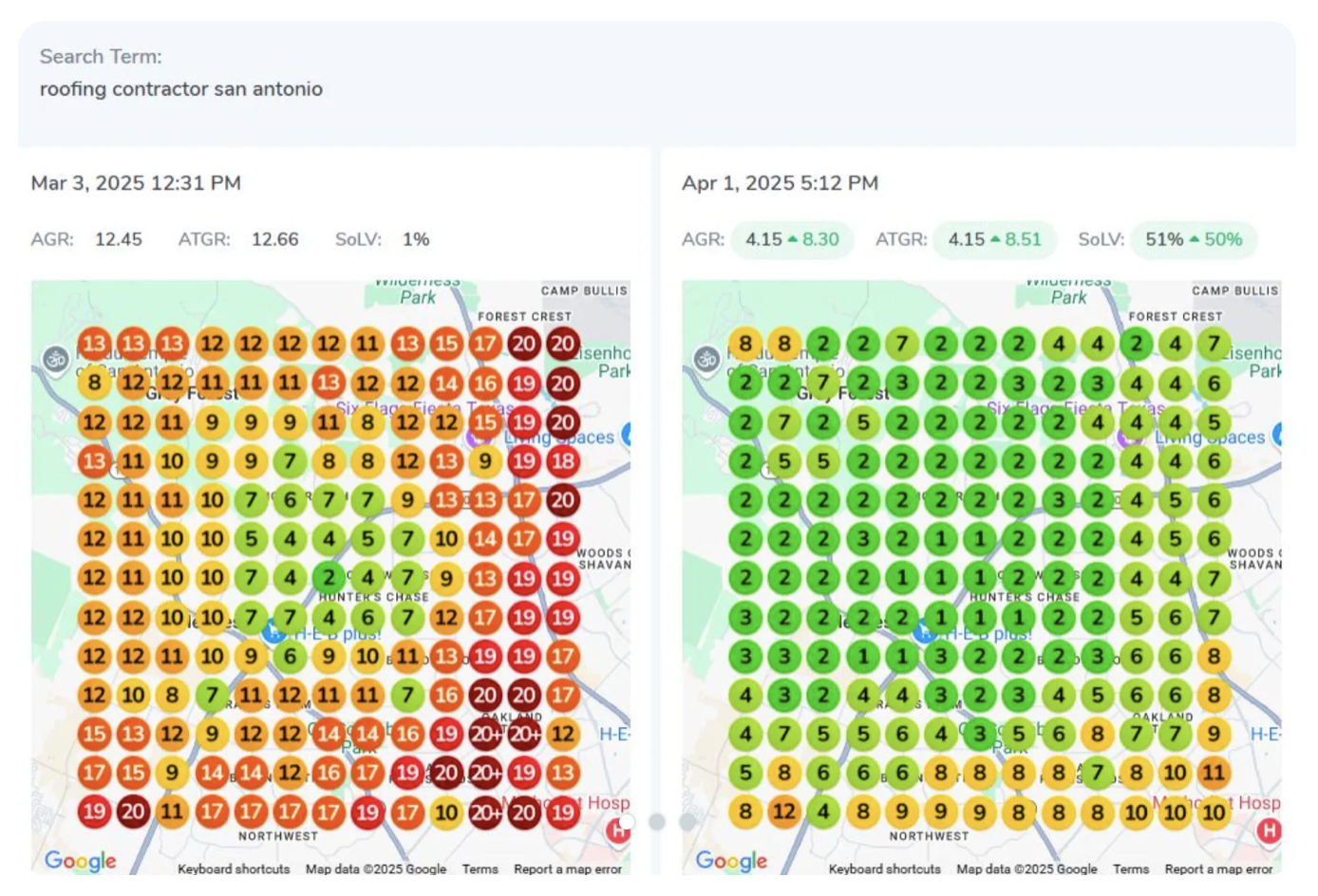
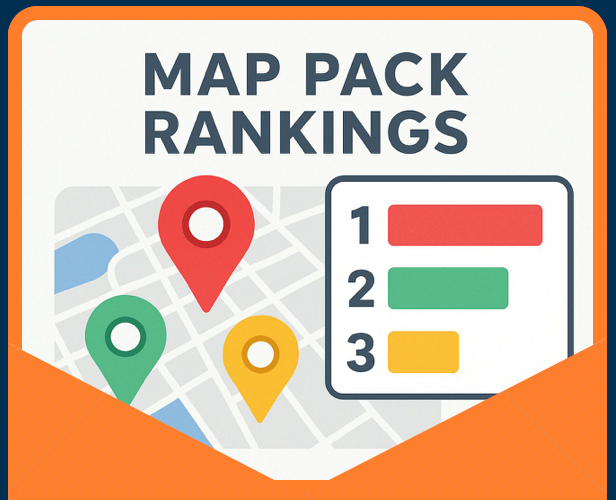
To keep your inspection pipeline full, your roofing business must be highly visible where local homeowners are actively searching. In July 2026, that means dominating the Google Maps Local Pack.
When a homeowner experiences a sudden leak or receives a warning letter from their insurance carrier, their first action is to search for "roof inspection services near me" on their mobile device. If your business does not appear in the top three map listings, you are losing valuable leads to competitors who have optimized their local digital footprint.
At CinchLocal, we specialize in helping roofing contractors claim their unfair share of local search traffic. Through our specialized Google Maps local SEO for roofers, we optimize your Google Business Profile, build localized citations, and implement automated review acquisition strategies that build massive local authority.
To see how we've helped other roofing businesses scale their monthly organic lead flow, you can view our proven local SEO results.
By combining local search visibility with high-converting roofing lead generation strategies, you can ensure that your technicians are constantly booking high-value inspections. If you want to see how to structure your online booking portal to maximize conversions, schedule a demo with us to review our high-converting landing page templates.
Frequently Asked Questions about Orange County Roof Inspections
How often should Orange County properties undergo a professional roof inspection?
Orange County properties should undergo a professional roof inspection at least once every two years under normal conditions, and annually for roofs that are over 15 years old. Additionally, inspections should be scheduled immediately following major weather events — such as high-velocity Santa Ana wind storms — or after any third-party trade accesses the roof, such as solar installers, painters, or pest control companies.
What is the average cost of a certified roof inspection in Southern California?
The average cost of a certified, written roof inspection in Southern California ranges from $300 to $500 for a standard residential property, depending on the roof's size, slope, and material complexity. This fee typically covers an on-site evaluation, a comprehensive multi-point digital report with high-resolution photo documentation, and a formal estimate for any recommended repairs. Commercial property inspections or specialized forensic leak investigations may command higher rates.
How do Title 24 cool roof standards impact inspection recommendations?
California's Title 24 standards require that any major roofing repair or replacement project (typically involving more than 50% of the roof area or 2,000 square feet) must utilize roofing materials that meet specific solar reflectance and thermal emittance criteria. During an inspection, a certified professional must evaluate whether the existing roof complies with these standards and ensure that any proposed repair or replacement recommendations utilize compliant "cool roof" materials to guarantee building permit approval.
Conclusion: Building a High-Converting Inspection Pipeline
Developing a professional inspection program is one of the smartest investments you can make for your Southern California roofing business. By offering structured, high-value assessments, you build trust, protect local properties, and create a steady stream of highly profitable repair and replacement contracts.
However, an inspection program is only successful if you have a consistent flow of leads coming through your doors.
That is where we can help. At CinchLocal, we don't just sell generic marketing packages. We specialize exclusively in the roofing industry, deploying our proprietary "Roofer Footprint Expansion System" to help you dominate local search results, generate pre-sold leads, and consistently get new roofing customers.
Ready to scale your roofing business and dominate the Orange County market? Contact CinchLocal today to schedule a brief strategy call and let's build your high-converting lead pipeline together!
Want Us to Uncover Hidden 'Footprint Gaps' And Critical Blind Spots That’s Quietly Draining Calls, Jobs, and Profits?
Simply Fill Out The Form Below:
What If You Could Stop Wasting $30K+ a Year on Dead-End Marketing - And Finally Become the Go-To Roofer in Your City?
Other Helpful Articles You Might Enjoy