
How to Optimize Meta Ads for Roofers in 7 Easy Steps

Cary Byrd // Founder of CinchLocal
Why Meta Ads Optimization for Roofers Is the Fastest Path to More Booked Jobs
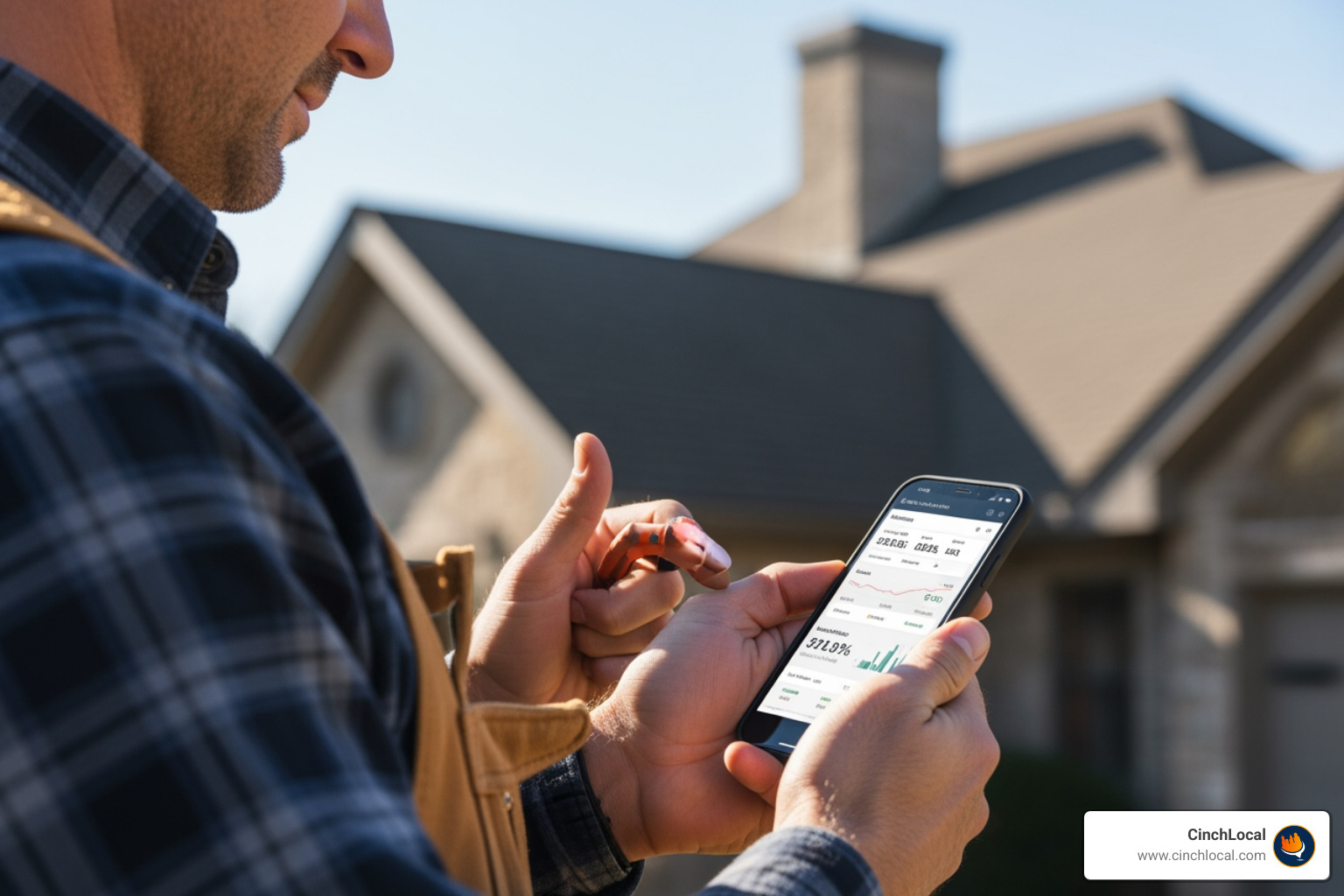
Meta Ads optimization for roofers is the process of systematically improving your Facebook and Instagram ad campaigns to generate more high-quality roofing leads at a lower cost — and in 2026, it's one of the most powerful tools available to local roofing contractors.
Here's a quick-answer snapshot for roofers who want results fast:
- Target by property age and zip code — homes 15-25 years old convert at the highest rates
- Use before-and-after visuals — real job photos outperform stock images every time
- Deploy storm response campaigns — weather-triggered ads generate 10-15x normal lead volume
- Set up high-intent lead forms — qualifying questions filter out tire-kickers before they hit your CRM
- Track cost per booked inspection — not just cost per lead
- Retarget warm audiences — website visitors and video viewers convert 2-3x better
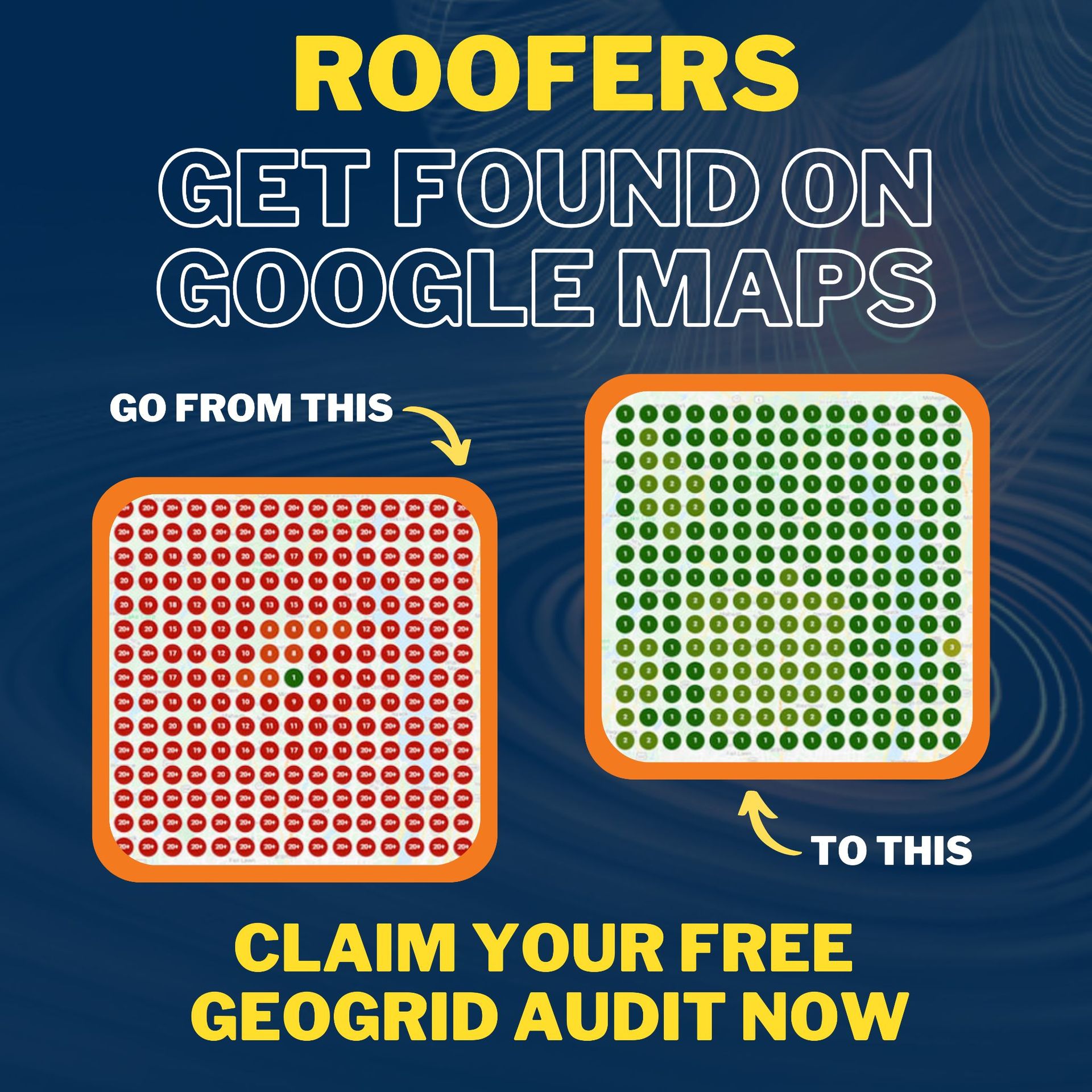
- Integrate with Local SEO — Meta Ads and Google Maps work better together than apart
Most roofing contractors running Facebook ads are leaving serious money on the table. The average cost per lead on Meta sits around $41 for home improvement campaigns — compared to over $228 for Google Search. That's a massive gap. Yet most roofers either aren't running Meta Ads at all, or they're boosting posts and hoping for the best.
The reality is that generating consistent roofing leads through Meta requires more than a decent photo and a "Call Now" button. It takes the right campaign structure, the right targeting layers, and a system that turns clicks into booked inspections.
The good news? You don't need a massive budget or a marketing degree to make it work. You just need the right steps — which is exactly what this guide covers.
I'm Cary Byrd, CEO of CinchLocal, a roofing marketing agency that has helped contractors across the U.S. build profitable Meta Ads optimization for roofers systems that produce real, measurable pipeline growth. Over the next seven steps, I'll walk you through exactly how to do it.
Step 1: Implementing Advanced Targeting and Property Data
The biggest mistake we see roofers make is targeting everyone in a 50-mile radius. If you’re a residential roofer, you don’t want to pay for clicks from renters or people living in brand-new subdivisions where the shingles haven't even settled yet.
To achieve true Meta Ads optimization for roofers , you must layer your targeting. In 2026, Meta’s AI-driven Advantage+ targeting is incredibly powerful, but it works best when you give it a solid foundation of property data.
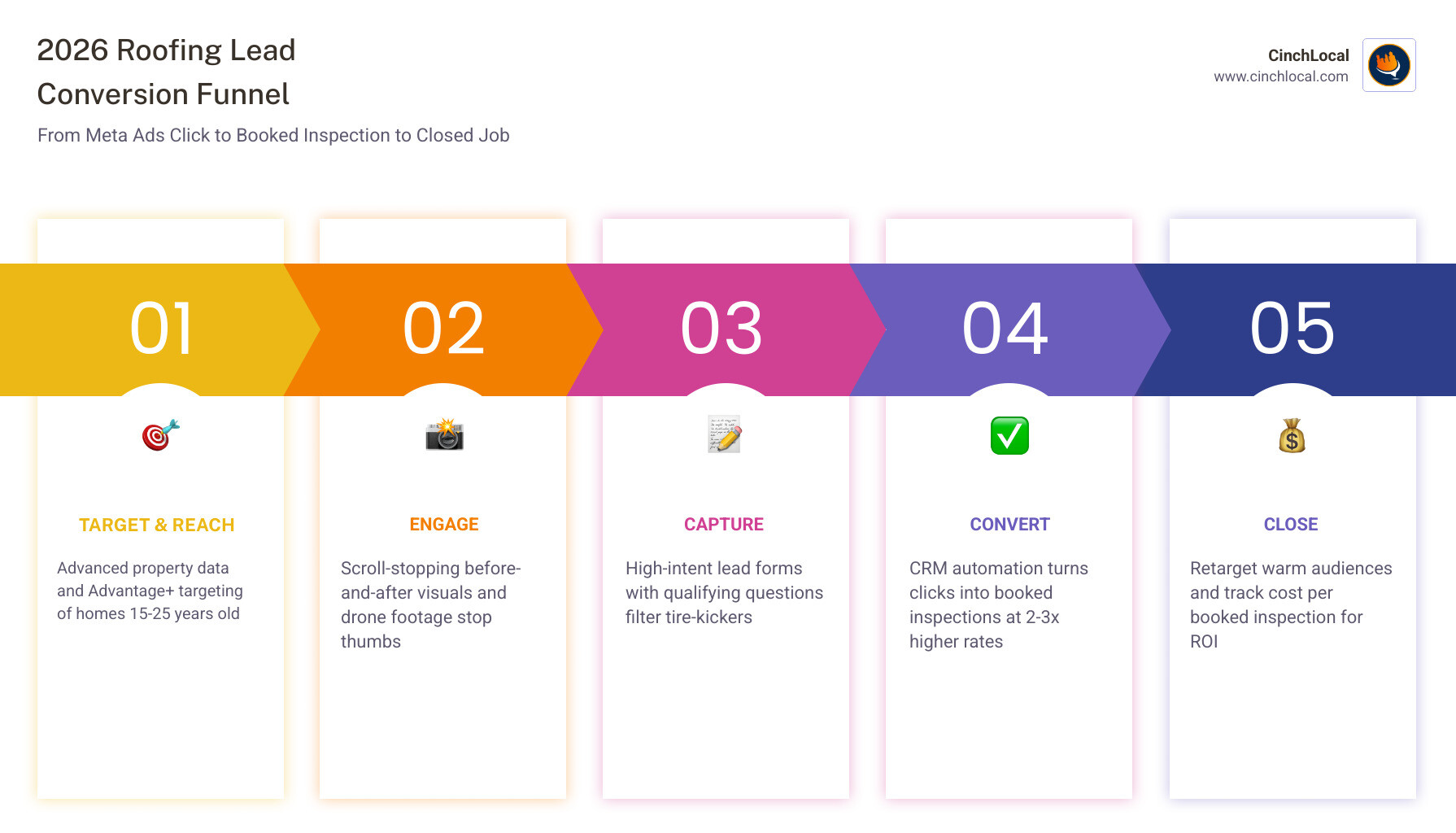
Property Age is Your Secret Weapon Data shows that homes built 15 to 25 years ago represent the highest-converting audience for roof replacements. By layering property age data with specific zip codes, we've seen contractors reduce their cost per qualified lead by up to 45%. When you combine this with behavioral intent layering—targeting people who have recently engaged with home improvement content—you create an audience with 8-12x higher engagement rates.
If you are new to the platform, starting with Roofing Facebook Ads 101 principles is essential. You want to focus on:
- Geographic Boundaries: Target by city, ZIP, or a tight 10-25 mile radius around your shop.
- Demographics: Focus on homeowners aged 35-65+.
- First-Party Data: Upload your existing customer list to create "Lookalike Audiences." This tells Meta, "Find more people who look like the customers who already paid me $20,000 for a new roof."
For a deeper dive into how these targeting layers translate into massive revenue, check out this breakdown of £2m+ In Roofing Sales With META Ads.
Step 2: Mastering Meta Ads Optimization Roofers Through Creative Testing
In the roofing world, your "creative" (the images and videos you use) is the heavy lifter. You can have the best targeting in the world, but if your ad looks like a generic "Call for a Free Estimate" stock photo, homeowners will scroll right past it.
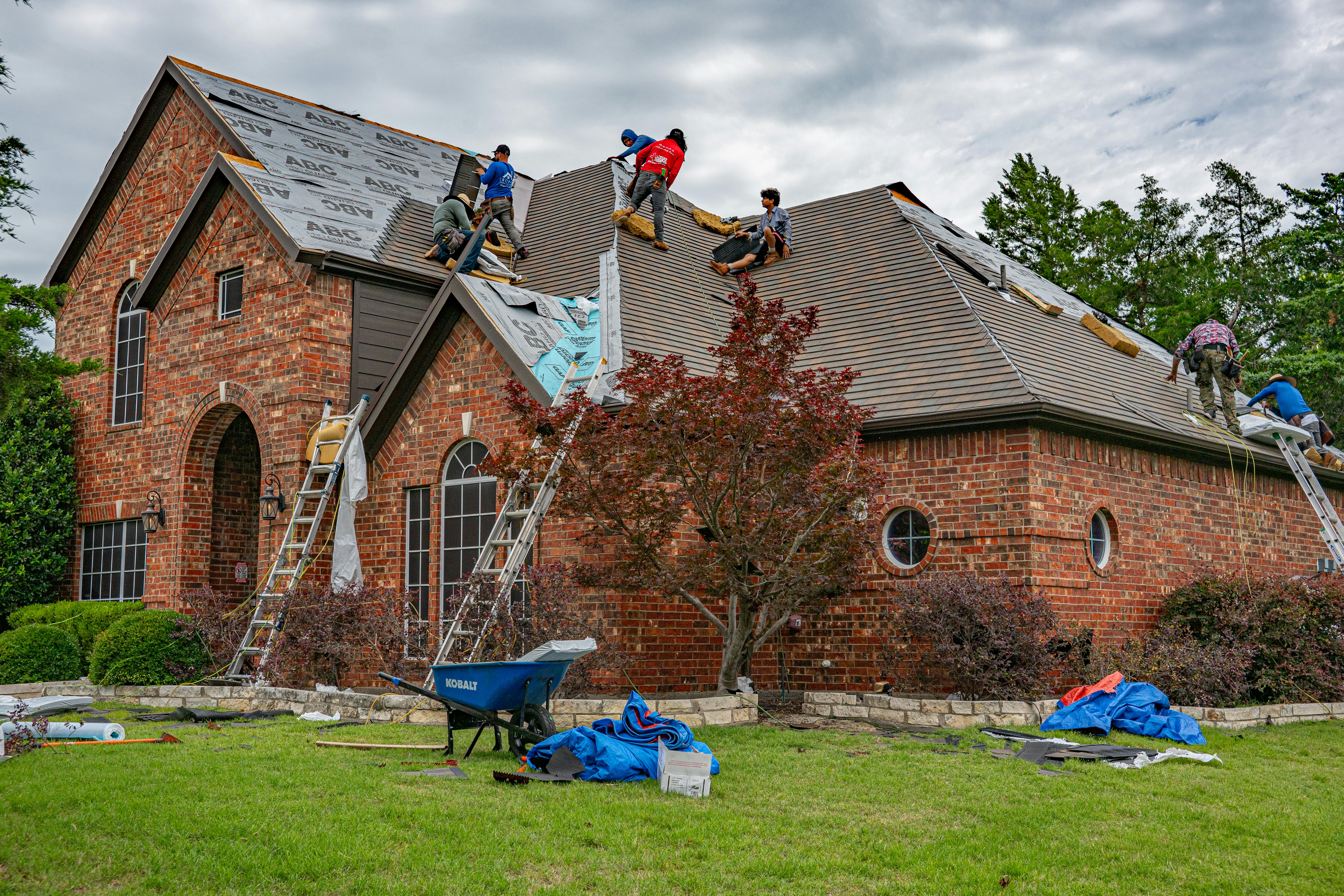
The Power of Visual Storytelling The most effective ads for roofers are those that blend in with organic content while still grabbing attention. We recommend a "Creative First" approach. According to Meta's official documentation on Advantage+ Creative, the platform's AI can now automatically swap headlines and images to see what resonates best with specific users.
To win in 2026, your creative arsenal should include:
- Before-and-After Carousels: These are gold. Showing a streaky, damaged roof next to a beautiful new architectural shingle roof provides instant proof of quality.
- Drone Footage: 15-second clips of a crew in action or a finished project in a high-end neighborhood create a "wow" factor that static images can't match.
- The "Selfie" Video: A video of you or your project manager standing on a roof explaining how to spot hail damage feels authentic and builds immediate trust.
Our research into the best Meta ads for roofers that convert shows that raw, authentic content consistently outperforms polished, expensive commercials.
Step 3: Deploying AI-Powered Storm Response and Seasonal Campaigns
If you want to see a 10-15x spike in lead volume within 24 hours, you need a storm response system. In 2025 alone, damaging hail affected over 600,000 U.S. homes. In 2026, the roofers winning the most insurance work are those using AI to automate their response.
Speed to Lead is Everything AI-powered tools now allow us to monitor NOAA Storm Prediction Center Reports in real-time. When a storm hits a specific zip code, your ads can trigger automatically. This "storm-chasing" automation provides a first-response advantage that leads to 60-80% close rates, compared to just 15-25% for roofers who show up days later with door hangers.
Seasonal Adjustments
- Spring: Focus on winter damage inspections.
- Summer: Highlight energy efficiency and heat-resistant materials.
- Fall: Promote "Get it done before the snow" urgency.
- Post-Storm: Focus 100% on damage assessment and insurance claim assistance.
By leveraging AI for more leads, you can ensure your budget shifts to high-intent "emergency" campaigns the moment the weather turns. These emergency jobs often command 20-30% higher margins than planned replacements.
Step 4: Structuring High-Intent Lead Forms and CRM Integrations
Generating a lead is easy; generating a lead that actually answers the phone and owns a home is the hard part. This is where Meta Ads optimization for roofers moves from the ad level to the "plumbing" level.
Instant Forms vs. Landing Pages Meta Lead Forms (Instant Forms) are excellent because they pre-fill the user's information, reducing friction. However, to ensure quality, you must use "Higher Intent" forms. These add a "Review Your Info" step and allow you to ask qualifying questions like:
- "Are you the homeowner?"
- "How old is your roof?"
- "Do you have active leaks?"
The 5-Minute Rule A lead's value drops by 80% if you don't contact them within five minutes. To prevent your roofing leads from leaking, you must sync Meta directly to your CRM (like JobNimbus or AccuLynx).
Technical Setup for Meta Ads Optimization Roofers
To maximize your ROI, your technical setup must include:
- Meta Pixel & Conversions API: This tracks what happens after the click. Without it, Meta's AI is "flying blind" and can't optimize for actual booked jobs.
- Lead Scoring: Automatically tag leads as "Hot" if they indicate a leak or storm damage, ensuring your sales team calls them first.
- Automated Follow-Up: Use SMS and email sequences to nurture leads who don't book immediately. Automated sequences can convert 15-25% of initial non-converters over a 60-90 day period.
If you're struggling to keep your pipeline full, our roofing leads services can help bridge the gap between "clicks" and "contracts."
Step 5: Scaling Budgets and Tracking ROI for Sustainable Growth
How much should you spend? We recommend a starting budget of $1,500 to $2,000 per month for most roofing contractors. This provides enough data for Meta's algorithm to learn. For established companies looking to scale, a target ROAS (Return on Ad Spend) of 4-6x is sustainable, though this can jump to 8-12x during peak storm seasons.
| Metric | Meta Ads (Average) | Google Ads (Average) |
|---|---|---|
| Cost Per Lead (CPL) | $30 - $45 | $150 - $250+ |
| Conversion Rate | 5% - 12% | 3% - 7% |
| Intent Level | Medium (Disruptive) | High (Search) |
| Scalability | Very High | Limited by Search Volume |
Measuring What Matters Stop looking at "Cost Per Click." It’s a vanity metric. Instead, track:
- Cost Per Lead (CPL): Aim for $30-$40 for general roofing.
- Cost Per Booked Inspection: This is the most critical metric for roofers.
- Cost Per Sold Job: Your ultimate ROI indicator.
As noted in the SBA Marketing and Advertising Guide, consistent investment is key to long-term growth. When you find a winning ad, don't be afraid to scale the budget by 10-20% every few days to maintain performance without "breaking" the algorithm. Mastering online advertising for roofers requires this balance of data-driven scaling and patience.
If you're ready to scale your roofing business with a predictable flow of high-quality leads, contact CinchLocal to build your custom growth roadmap.
Measuring Success in Meta Ads Optimization Roofers
Success isn't just about the first 14 days. While most campaigns see early results within a week, full optimization takes 30-45 days. Use attribution modeling to see how a Meta Ad might have introduced a homeowner to your brand, even if they eventually clicked your Google Maps listing to call you.
Step 6: Retargeting and Full-Funnel Brand Building
Most homeowners don't buy a $20,000 roof the first time they see an ad. They need to see your face, your work, and your happy customers multiple times. This is why retargeting is the most profitable part of roofing Facebook ads.
The "Invisible" Sales Force By using the Meta Pixel, you can show specific ads to people who:
- Visited your website but didn't fill out a form.
- Watched at least 50% of your drone video.
- Engaged with your Facebook or Instagram page.
Retargeting ads should focus on Social Proof . Show them video testimonials, your 5-star Google ratings, or a "Behind the Scenes" look at your crew's safety protocols. Testimonials lift conversion rates by approximately 15% and produce 2-3x higher ROI than "cold" prospecting ads alone.
Step 7: Integrating Meta Ads with Local SEO and Google Maps
Meta Ads do not exist in a vacuum. In 2026, the "omnichannel" roofer wins. When a homeowner sees your ad on Instagram, the first thing they often do is search for your company name on Google.
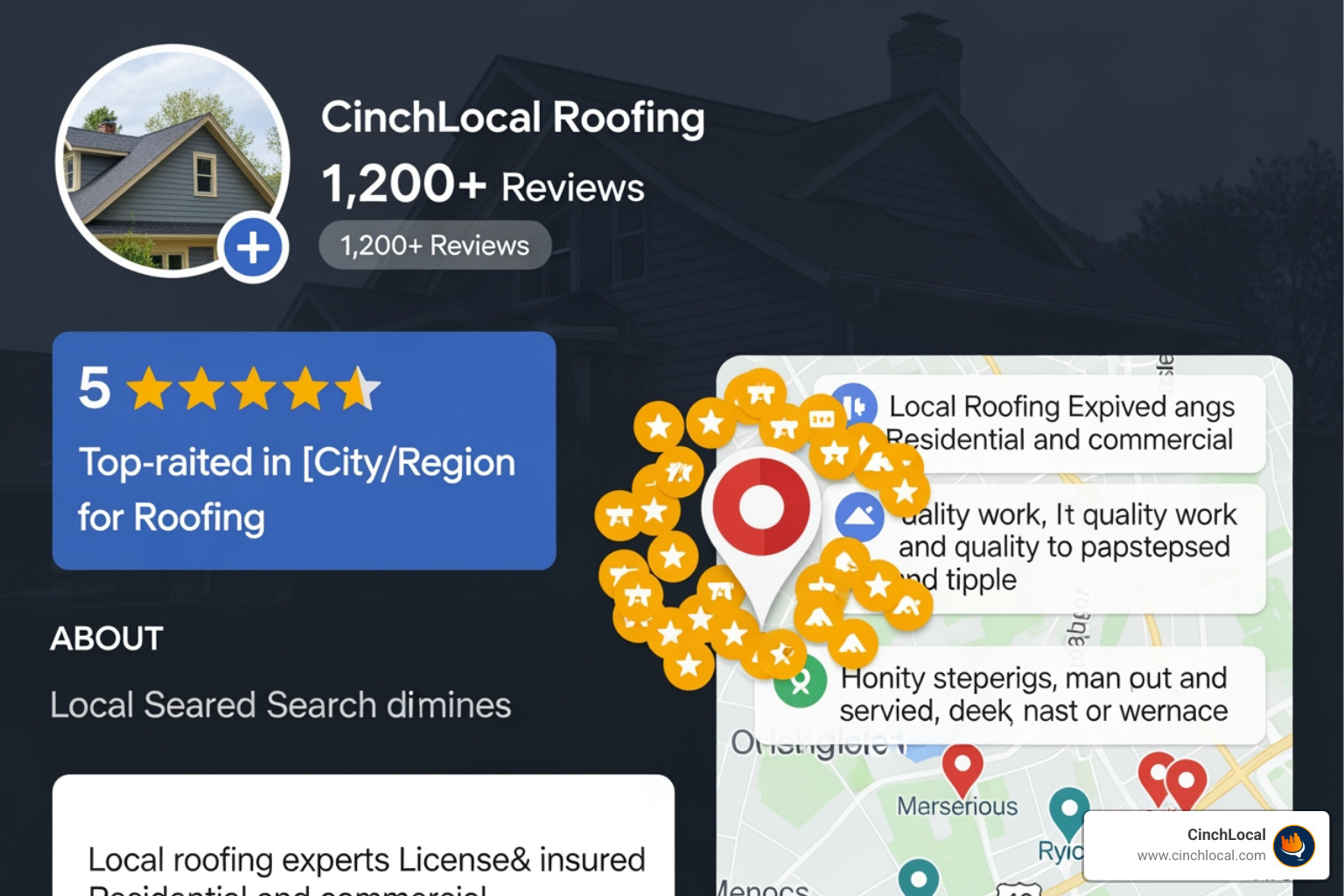
If your Roofing SEO is weak or your Google Maps profile is buried on page three, you’ll lose the lead you just paid for on Meta. Consistency in branding, messaging, and reviews across all platforms is vital.
At CinchLocal, our "Roofer Footprint Expansion System" ensures that your Meta Ads and your Google Maps presence work in tandem. When people see you everywhere, you aren't just another contractor — you are the "neighborhood roofer." You can view our proven results to see how this multi-channel approach dominates local markets.
Frequently Asked Questions about Roofing Meta Ads
What is the average cost per lead for roofing Meta Ads in 2026?
While it varies by market, the average CPL for roofing on Meta is between $30 and $45. During storm seasons, this can drop significantly as demand spikes, while highly competitive markets like Los Angeles or Dallas may see slightly higher costs.
How long does it take to see results from Meta Ads optimization roofers?
You will typically see initial leads within 48 to 72 hours. However, the "Learning Phase" of the Meta algorithm takes about 7 to 14 days to stabilize. We recommend running a campaign for at least 30 days before making major structural changes.
Should I use stock photos for my roofing ads?
Absolutely not. Stock photos are the fastest way to kill a roofing ad campaign. Homeowners can spot a "fake" roofer from a mile away. Use real photos of your trucks, your crews, and your actual finished projects. Even a "raw" smartphone photo of a finished roof is better than a polished stock image.
Conclusion
Meta Ads optimization for roofers is no longer optional for contractors who want to grow in 2026. By following these seven steps—targeting property data, testing creative, automating storm response, and integrating with your local SEO—you can build a lead generation machine that works while you’re on the roof.
At CinchLocal, we don't just "run ads." We build systems. Our Roofer Footprint Expansion System is designed to give you a 30-day "speed to lead" advantage, guaranteeing increased visibility and pre-sold leads. Whether you are in Ohio, Tennessee, Georgia, or California, we have the local expertise to help you dominate your service area.
Ready to stop wasting ad spend and start booking more jobs? Contact us for a free consultation today, and let's build your roofing empire together.
Want Us to Uncover Hidden 'Footprint Gaps' And Critical Blind Spots That’s Quietly Draining Calls, Jobs, and Profits?
Simply Fill Out The Form Below:
What If You Could Stop Wasting $30K+ a Year on Dead-End Marketing - And Finally Become the Go-To Roofer in Your City?
Other Helpful Articles You Might Enjoy