

The Ultimate Guide to Metal Roofing Pros and Cons

Cary Byrd // Founder of CinchLocal
Are Metal Roofs Worth It? The Real Metal Roofing Pros Cons Breakdown
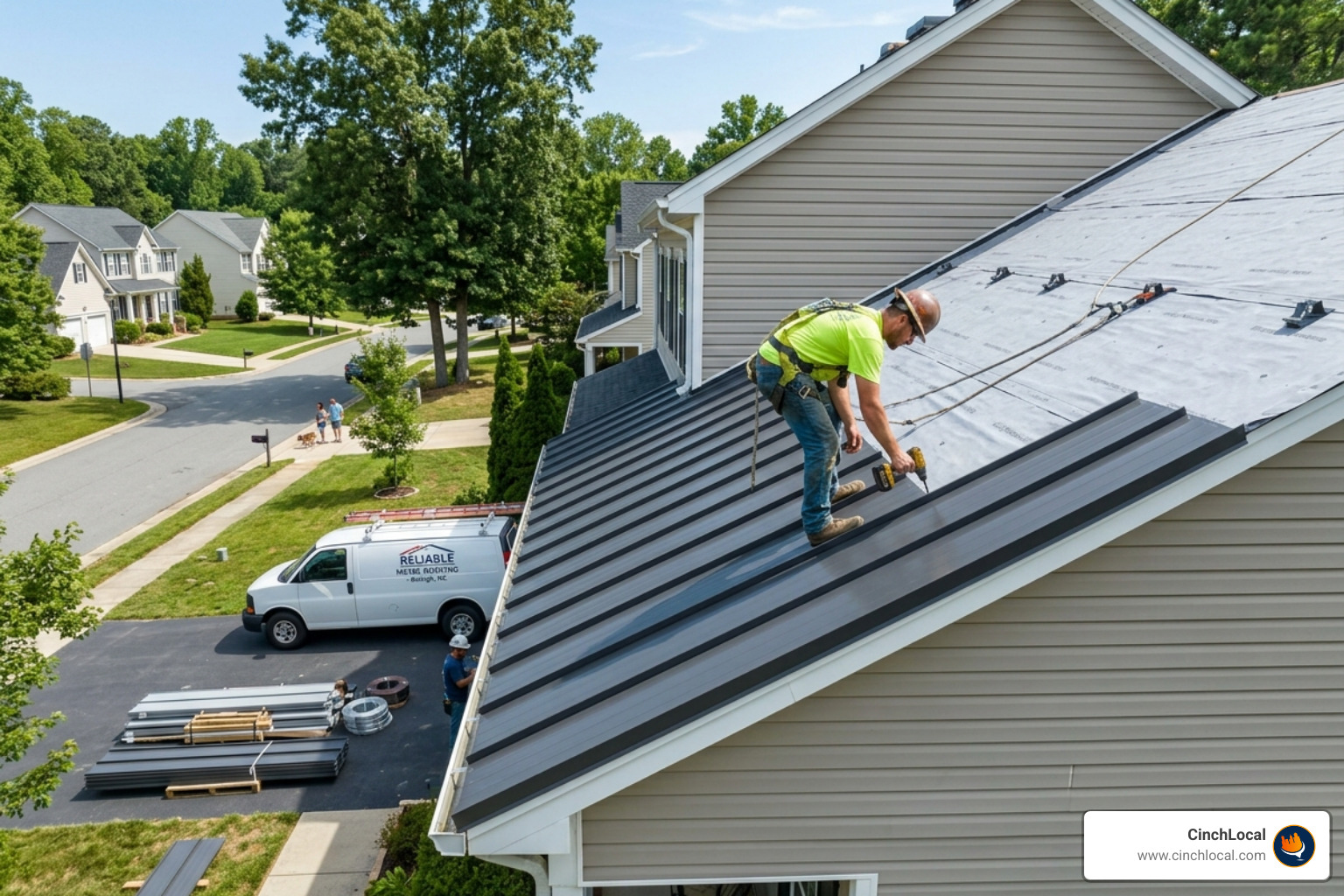
The metal roofing pros cons debate comes down to this: metal roofs last 2-3x longer than asphalt shingles and can save you up to 40% on energy costs, but they cost significantly more upfront and require skilled installation. For contractors looking to dominate your local roofing market, understanding these variables is the key to closing high-ticket contracts.
Here's a quick snapshot:
| Metal Roofing | Asphalt Shingles | |
|---|---|---|
| Lifespan | 40-80+ years | 15-30 years |
| Avg. Install Cost | ~$11,655 | ~$7,500-$8,800 |
| Energy Savings | Up to 40% | Minimal |
| Wind Resistance | Up to 140 mph | 60-90 mph |
| Fire Rating | Class A | Class A-C |
| Recyclability | 100% recyclable | Mostly landfill |
| Home Value Added | ~$23,000+ | Moderate |
| Maintenance | Low | Moderate-High |
| Noise | Higher without insulation | Low |
| Denting Risk | Moderate | Low |
The bottom line: Metal roofing is a long-term investment. If you plan to stay in your home for 15+ years, the math almost always works in your favor. If you're flipping a house or on a tight budget, asphalt shingles may still make more sense right now.
U.S. residential re-roofing demand for metal reached a record 18% market share in 2022 -- up 6% in just three years. That's not a trend. That's a shift. Homeowners are increasingly choosing durability over short-term savings, and contractors who understand this shift are winning more high-value jobs.
This guide covers everything you need to know -- from real costs and ROI to material types, installation challenges, and climate-specific performance -- so you can make a confident, informed decision.
I'm Cary Byrd, founder of CinchLocal, a roofing marketing agency that works exclusively with contractors navigating complex buying decisions like metal roofing pros cons every day. My experience helping roofing businesses generate leads and grow online gives me a clear view of exactly what homeowners are asking -- and what contractors need to know to answer them.
The Core Metal Roofing Pros Cons for Modern Homeowners
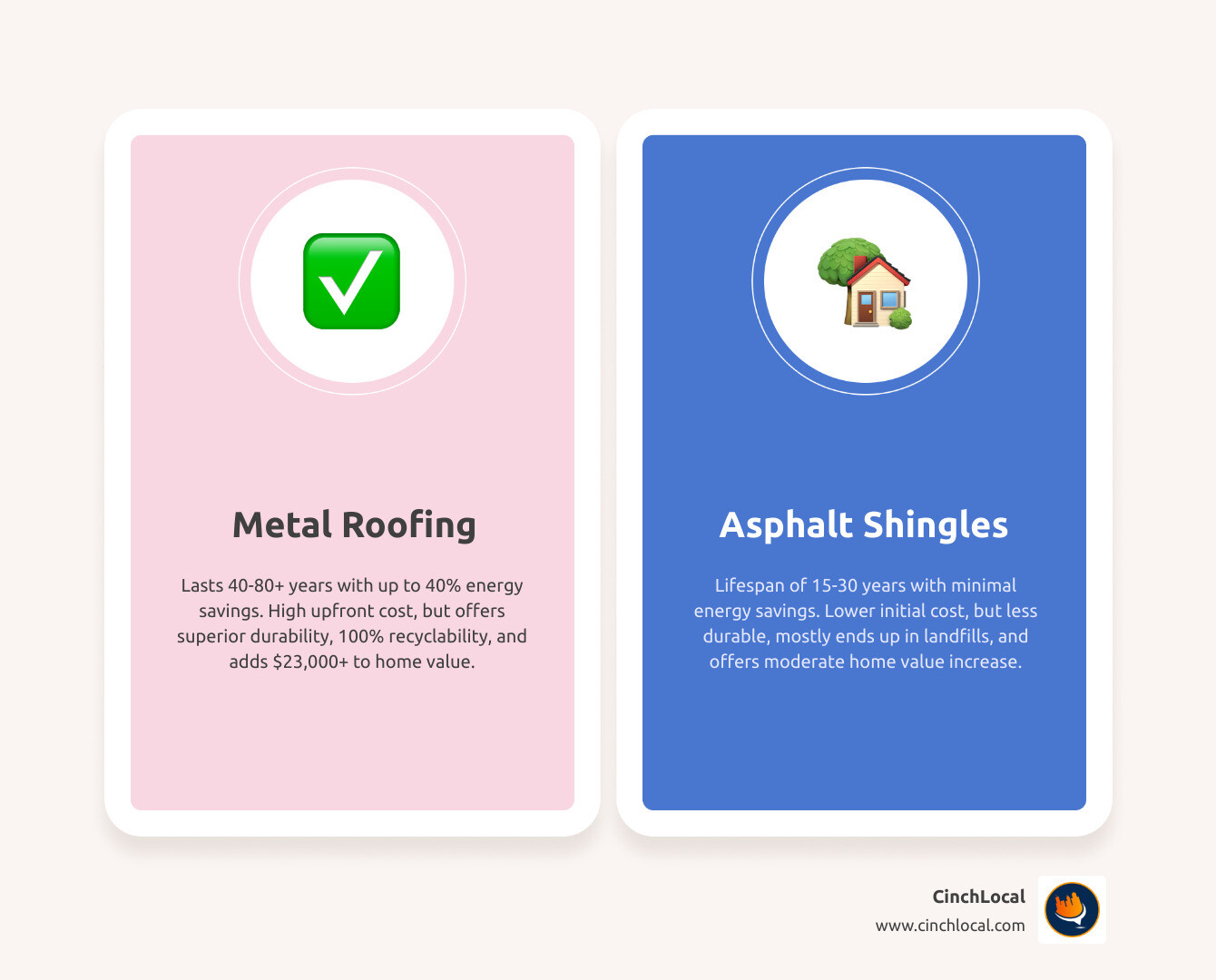
For contractors operating in high-stakes environments like Ohio, Tennessee, Georgia, and California, the materials you offer dictate your brand's reputation for resilience. Metal roofing has moved from industrial use to a premium residential standard because it addresses the modern homeowner's need for sustainability and extreme weather protection. According to the Metal Roofing Alliance, metal is the fastest-growing segment of the home improvement market, offering a massive opportunity for contractors to increase their average ticket size.
Understanding the Primary Advantages
The most significant "pro" in the metal roofing pros cons list is undeniable longevity. While a standard asphalt shingle roof might last 15 to 30 years, metal roofs routinely last 40 to 80 years. In some cases, premium materials like copper or zinc can exceed a century of service. This makes a metal roof essentially the last roof a homeowner will ever need to buy.
Beyond lifespan, the environmental benefits are a major selling point. Metal roofs are made from 35% to 95% recycled content and are 100% recyclable at the end of their life. This stands in stark contrast to the 12 billion square feet of asphalt shingles that end up in U.S. landfills annually.
For the homeowner's wallet, energy efficiency is the silent hero. Metal roofs reflect solar radiant heat rather than absorbing it. During a sweltering Georgia summer, this "cool roof" effect can reduce cooling costs by up to 40%, a fact supported by the U.S. Department of Energy. For contractors, highlighting these benefits is a key part of roofing SEO services to attract high-intent customers, improve Google Maps visibility, and achieve proven results for roofing contractors.
Addressing the Critical Drawbacks
We have to be honest: the "cons" are largely centered on the initial transaction. The upfront cost of a metal roof can be two to three times higher than asphalt shingles. While the average installation sits around $11,655, high-end standing seam systems can easily exceed $25,000 depending on the square footage and material choice.
Installation complexity is another hurdle. Unlike shingles, which many general crews can install, metal requires specialized tools and expertise to manage thermal expansion and contraction. If not installed correctly, fasteners can back out, or "oil canning" (a visible waviness in the flat areas of the panels) can occur. Noise is also a common concern; without proper solid sheathing and acoustic underlayment, the sound of rain or hail can be significantly louder than on a shingle roof.
Analyzing the Long-Term ROI: Metal vs. Asphalt Shingles
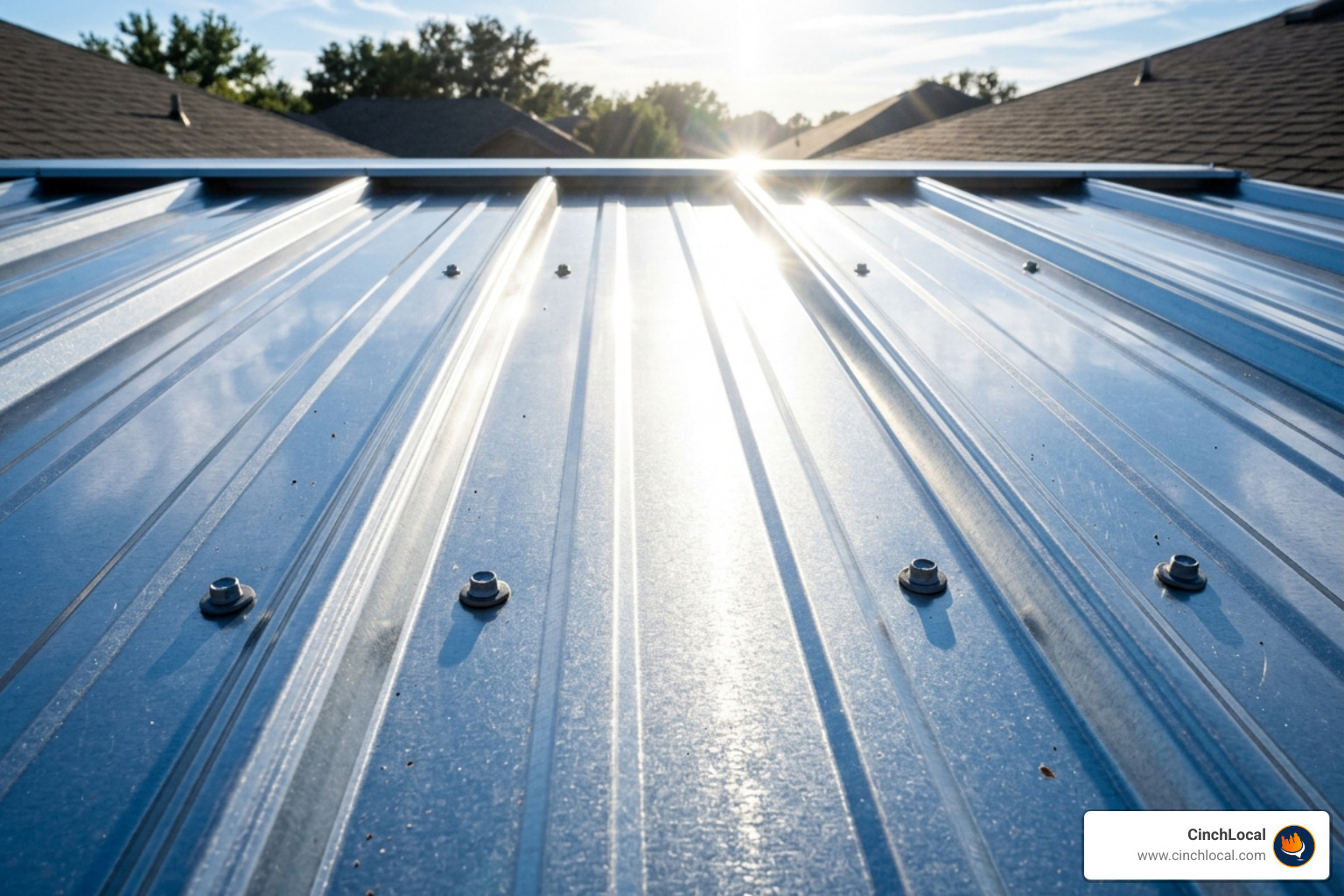
To truly understand the metal roofing pros cons , you have to look past the first check and analyze the total cost of ownership. A lifecycle cost analysis usually favors metal for anyone staying in their home longer than 15 years.
Maximizing Property Value and Resale
A new metal roof is a massive asset during a home sale. According to the 2023 Remodeling Cost vs. Value Report, a new metal roof can add over $23,000 to a home's resale value. Buyers in storm-prone areas like Tennessee or coastal Georgia are often willing to pay a premium for the peace of mind that comes with a 140 mph wind rating and Class 4 impact resistance.
Insurance companies also recognize this durability. Many providers offer discounts ranging from 5% to 35% on homeowners insurance premiums because metal roofs are less likely to suffer catastrophic damage from fire, wind, or hail. Over 40 years, these premium savings alone can recoup a significant portion of the initial investment. For homeowners who aren't ready for a full overhaul, exploring partial roof replacement options for savvy homeowners can sometimes bridge the gap between budget and durability.
Is the investment in metal roofing pros cons worth it for my business?
For the roofing contractor, the shift toward metal roofing represents a major opportunity for higher profit margins and better brand positioning. Selling a metal roof isn't just a transaction; it's a consultative process that builds trust. When you provide a solution that saves the customer money on energy and insurance, you aren't just a laborer; you're a value-added partner. This transition from insurance-based "storm chasing" to retail-focused expertise is a cornerstone of building a sustainable business. If you're looking to transition your business to high-margin metal jobs, contact CinchLocal today to see how we can scale your lead flow.
| Feature | Metal Roofing | Asphalt Shingles |
|---|---|---|
| Upfront Cost | High ($900 - $1,500 per square) | Low ($350 - $600 per square) |
| Lifespan | 50+ Years | 15-25 Years |
| Maintenance | Minimal (Clean gutters/debris) | Moderate (Replace lost granules/shingles) |
| ROI at Resale | High (Up to 85% recoup) | Moderate |
Technical Challenges and Common Metal Roofing Pros Cons
No material is perfect, and as a contractor, you must manage the technical quirks that require professional mitigation to avoid costly callbacks.
What is the biggest problem with metal roofing pros cons?
If you ask a technician, the biggest problem isn't the metal itself -- it's the installation. Thermal movement is a physical certainty; metal expands when hot and contracts when cold. If a roof is "pinned" too tightly with exposed fasteners, the metal will eventually tear at the screw holes, leading to leaks. For more on identifying these issues, see the InterNACHI technical guides. This is why we often recommend standing seam systems, which use concealed clips to allow the panels to "breathe" without compromising the seal.
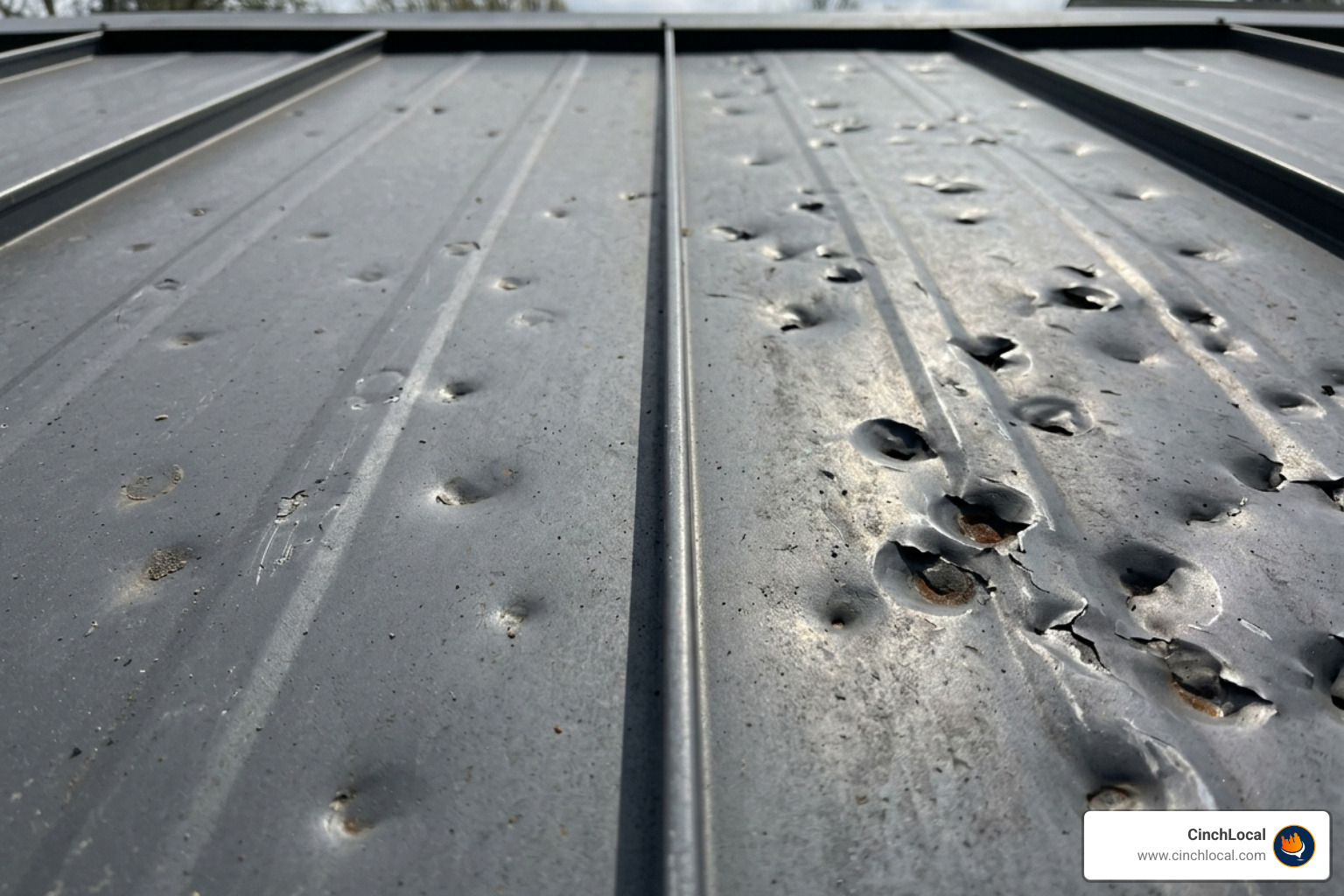
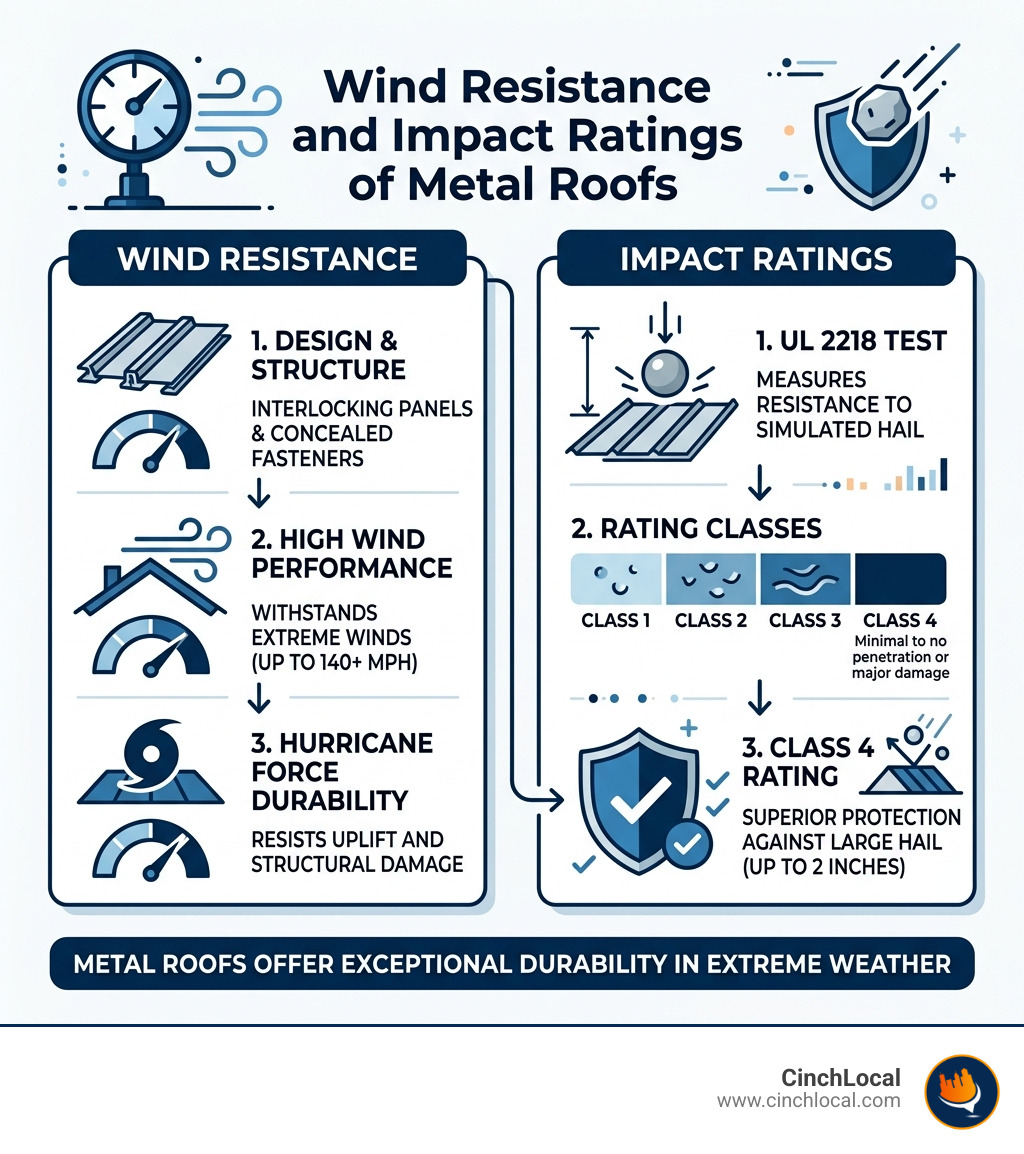
Denting is another valid concern, particularly in hail-prone regions of Ohio or California. While most metal roofs have a Class 4 impact rating -- meaning they won't crack or leak even after being hit by 2-inch hail -- they can still suffer cosmetic "dings." Choosing a thicker gauge (such as 24-gauge steel) or a textured profile like metal shingles can help hide these imperfections. For those dealing with existing damage, our roof repair after hail guide offers deeper insights into restoration.
Mitigating Noise and Thermal Expansion
The "drum effect" of rain on metal is a common myth that is easily solved with modern building science. This is a key component of the ultimate guide to dominating flat roofing SEO when educating your customers. By using solid plywood sheathing rather than open slats, and adding a high-quality acoustic underlayment, the noise levels of a metal roof become nearly indistinguishable from asphalt shingles. Furthermore, ensuring proper attic ventilation and energy upgrade strategies are in place prevents heat from being trapped under the panels, which protects the structural integrity of the home.
Material Selection: Steel, Aluminum, Copper, and Zinc
Not all metal is created equal. The specific alloy you choose should be dictated by your local climate and architectural style.
- Steel: The most common residential choice. It is typically galvanized (coated in zinc) or Galvalume (aluminum and zinc) to prevent rust. It offers the best balance of strength and affordability.
- Aluminum: Essential for coastal homes in Georgia or California. Aluminum is naturally resistant to salt-spray corrosion, making it the go-to for beach-front properties.
- Copper and Zinc: The "forever" metals. These materials develop a natural patina over time that protects the metal from the elements. They can last 100+ years but come with a price tag to match.
- Stone-Coated Steel: This provides the look of traditional shingles or clay tiles with the structural benefits of metal. It's an excellent middle ground for those in HOAs with strict aesthetic guidelines. For more on alternative durable materials, check out the complete guide to multi-ply rubber roofing.
Choosing the Right Style for Architecture
Modern metal roofing isn't just flat panels. You can find metal products that perfectly mimic Mediterranean tile, rustic wood shakes, or classic slate. Whether it's a sleek standing seam for a modern farmhouse or metal shingles for a Victorian renovation, there is a metal style for every home. Showcasing this versatility on your website is a key part of building local authority and trust.
How to Answer Homeowner Questions about Metal Roofing Pros Cons
When selling high-ticket metal projects, your ability to debunk myths is crucial for conversion. Here are the common concerns homeowners raise and the technical answers you need to provide to close the deal.
Do metal roofs attract lightning or leak more than shingles?
This is a persistent myth. Metal is a conductor, but it does not "attract" lightning any more than any other tall object. In fact, because metal is non-combustible, it is actually safer if a strike does occur, as it will safely dissipate the energy. Regarding leaks, a properly installed metal roof has far fewer seams than a shingle roof, making it inherently more water-tight.
Can metal roofs be installed over existing shingles?
Yes, in many jurisdictions in the USA, you can install metal over one layer of shingles. This saves the homeowner the cost of a "tear-off" and keeps old shingles out of the landfill. However, we always recommend using furring strips to create an air gap, which prevents moisture from being trapped between the two layers.
How do metal roofs perform in extreme weather like hail and wind?
Metal is the king of extreme weather. Interlocking panels and concealed fasteners allow these roofs to withstand wind speeds of 140 mph—hurricane force. In snowy climates like Northern Ohio, the smooth surface allows snow to slide off easily, preventing the heavy snow loads and ice dams that often collapse traditional roofs.
Conclusion: Scaling Your Business with Metal Roofing
The metal roofing pros cons debate ultimately favors the long-term thinker and the high-quality contractor. While the initial investment is high, the combination of a 50-year lifespan, 40% energy savings, and a $23,000 boost in home value makes it a mathematically superior choice that you can confidently sell to your leads.
For roofing contractors, the rise of metal roofing is a chance to scale your business and move away from the "race to the bottom" on pricing. By positioning yourself as a metal roofing expert, you can attract higher-quality leads and build a more sustainable business model. At CinchLocal, we specialize in helping contractors navigate these market shifts through strategic marketing for roofing companies. Whether you are in Ohio, Tennessee, or California, contact us today to dominate your local map, see our proven results, and turn the growing demand for metal roofing into a consistent stream of pre-sold leads.
Want Us to Uncover Hidden 'Footprint Gaps' And Critical Blind Spots That’s Quietly Draining Calls, Jobs, and Profits?
Simply Fill Out The Form Below:
What If You Could Stop Wasting $30K+ a Year on Dead-End Marketing - And Finally Become the Go-To Roofer in Your City?
Other Helpful Articles You Might Enjoy