


Cary Byrd // Founder of CinchLocal
The Business Case for the Energy Efficient Roof Upgrade

For roofing contractors in states like Ohio, Tennessee, Georgia, and California, the shift toward sustainability isn't just a trend—it’s a massive business opportunity. When we talk to homeowners about an energy efficient roof upgrade , we aren't just selling shingles; we are selling long-term financial security and home comfort. High-performance roofing systems act as a thermal shield, significantly reducing the load on HVAC systems. This leads to increased HVAC longevity and a reduction in peak energy demand on the electrical grid during sweltering summer afternoons.
From a contractor's perspective, offering these upgrades allows for higher-margin projects and market differentiation. By positioning your company as an expert in expert digital marketing for roofing contractors, you can highlight the superior ROI of these systems. According to the U.S. Department of Energy, cool roofs can stay up to 50°F cooler than traditional roofs, which is a powerful selling point in the sun-drenched regions of Georgia or Southern California. If you're ready to start booking more high-margin energy efficiency projects, book a free strategy session with CinchLocal to see how we can scale your lead flow.
| Feature | Standard Asphalt Shingles | Full Energy-Efficient Package |
|---|---|---|
| Solar Reflectance | ~10% - 20% | 60% - 90% |
| Surface Temp | Up to 150°F+ | Up to 50°F cooler |
| HVAC Strain | High during peak sun | Significantly reduced |
| Annual Savings | Baseline | Up to $1,190+ |
Maximizing ROI with an Energy Efficient Roof Upgrade
The most common question we hear from homeowners is: "When will this pay for itself?" The data is clear. For a typical 2,000 sq. ft. home, a full energy-efficient package—including reflective shingles, proper ventilation, and R-49 insulation—can yield a net savings of $29,000 over 30 years. This results in a payback period of roughly 5.6 years, after which the roof effectively "pays" the homeowner through reduced utility bills.
To help clients visualize these numbers, we recommend using a roof estimate template guide to break down the costs of premium materials versus standard options. Furthermore, many local utilities in our service areas offer rebates for installing products listed in the Cool Roof Rating Council directory, which can further shorten the payback period.
Selling the Environmental Impact to Homeowners
While the financial "green" is a primary motivator, the environmental "green" is becoming a deciding factor for many modern homeowners. An energy efficient roof upgrade directly mitigates the urban heat island effect, where concentrated dark surfaces raise the temperature of entire neighborhoods. By reflecting sunlight rather than absorbing it, cool roofs lower local air temperatures and reduce the greenhouse gas emissions associated with heavy air conditioning use.
When we consult with homeowners, especially those dealing with roof repair after hail damage, we emphasize that replacing a damaged roof with sustainable materials is a proactive way to lower their carbon footprint. It’s a win-win: the homeowner saves money, and the community benefits from a more resilient electrical grid.
High-Performance Materials for Energy Efficient Roof Upgrades
Choosing the right material is the foundation of any efficiency project. The goal is to maximize the Solar Reflectance Index (SRI), which measures a roof's ability to reject solar heat. Materials with high SRI and high thermal emittance stay much cooler because they bounce away UV rays and quickly release any heat they do happen to absorb.
In our experience across the USA, several materials stand out:
- Metal Roofing: Often considered the gold standard for efficiency, metal reflects the majority of the sun's rays and cools down almost instantly once the sun sets.
- Clay and Concrete Tile: These materials have high thermal mass and often feature a natural airspace between the tile and the deck, which acts as an additional insulating barrier.
- Spray Polyurethane Foam (SPF): This creates a seamless, airtight cap over the building, providing both high R-value insulation and a reflective surface.
- Reflective Asphalt Shingles: Modern "cool" shingles use specially engineered granules that reflect infrared radiation while maintaining a traditional aesthetic.
For contractors looking to dominate their local market, understanding these material nuances is key to dominating flat roofing SEO and residential sales alike. Ready to become the leading authority on high-performance materials in your city? Partner with CinchLocal to build a content strategy that converts.
Comparing Metal vs. Shingle Efficiency
Metal roofing is a powerhouse in the energy-efficiency world. A high-SRI metal roof (SRI 40) can be up to 100 degrees cooler than traditional dark asphalt shingles on a summer afternoon. Because metal has low thermal mass, it doesn't "hold" heat throughout the night, allowing the home to cool down faster.
While shingles are more common, they traditionally absorb more heat. However, by using cool-colored pigments, manufacturers have boosted the reflectance of shingles to 30-60%. For contractors, using commercial roofing marketing strategies to explain these differences helps homeowners make informed decisions based on their specific climate and budget.
Low-Slope Solutions and Reflective Coatings
Flat and low-slope roofs are particularly prone to heat absorption because they face the sun directly for most of the day. For these structures, TPO (Thermoplastic Polyolefin) and PVC (Polyvinyl Chloride) membranes are excellent choices. They are naturally white or light-colored and highly reflective.
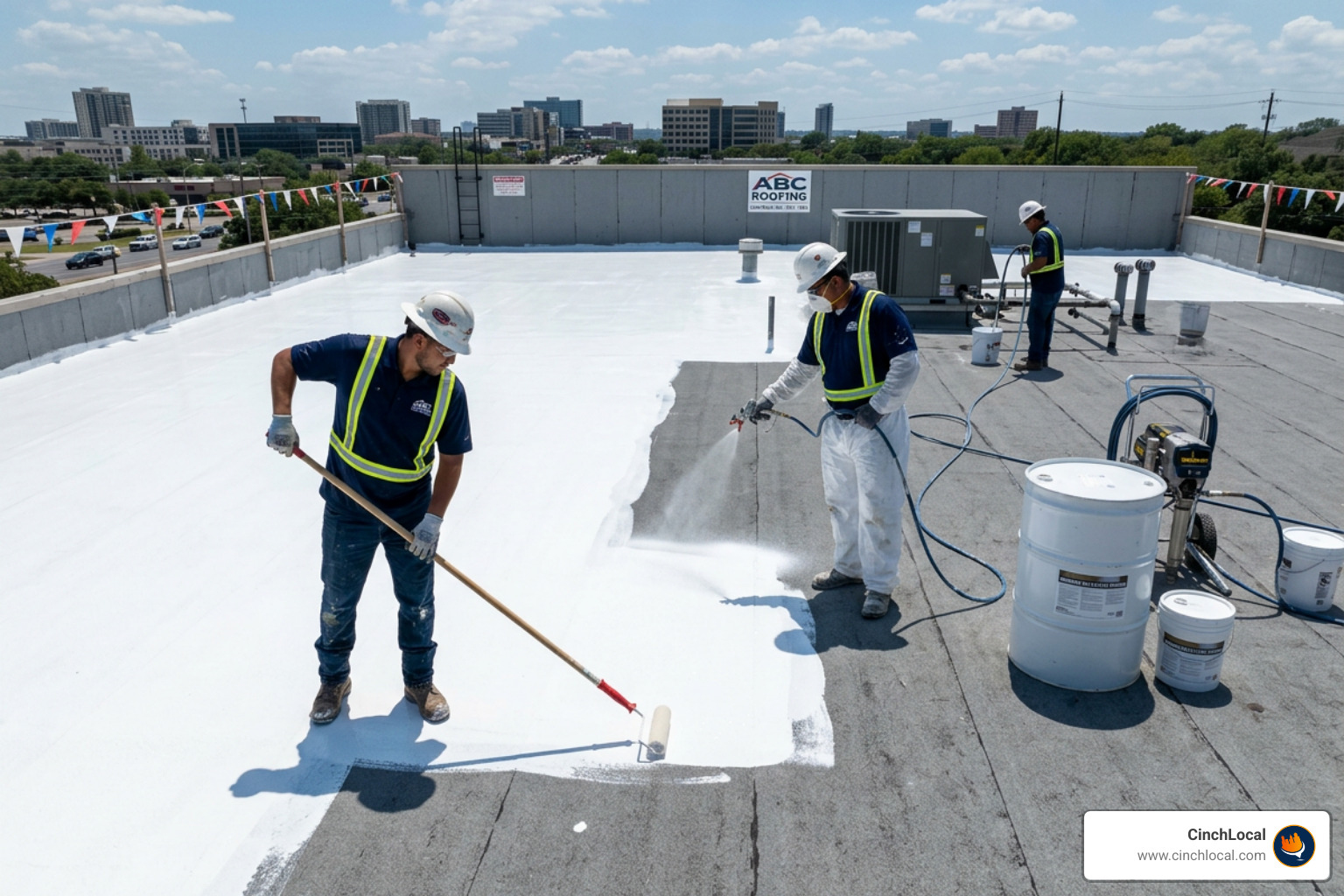
If a full replacement isn't in the budget, a liquid-applied reflective coating is a fantastic alternative. These coatings act like "sunscreen for the roof," bouncing away up to 80% of sunlight and potentially reducing cooling costs by 20%. This is a central theme in many of our commercial roofing SEO case studies, as it offers a high-value, lower-cost entry point for property owners.
The "Full Package" Strategy: Insulation, Ventilation, and Barriers
A reflective surface is only half the battle. To achieve maximum efficiency, we must address what’s happening under the roof. A "Full Package" energy efficient roof upgrade integrates the roof deck with the attic space through a combination of high R-value insulation, advanced ventilation, and radiant barriers.
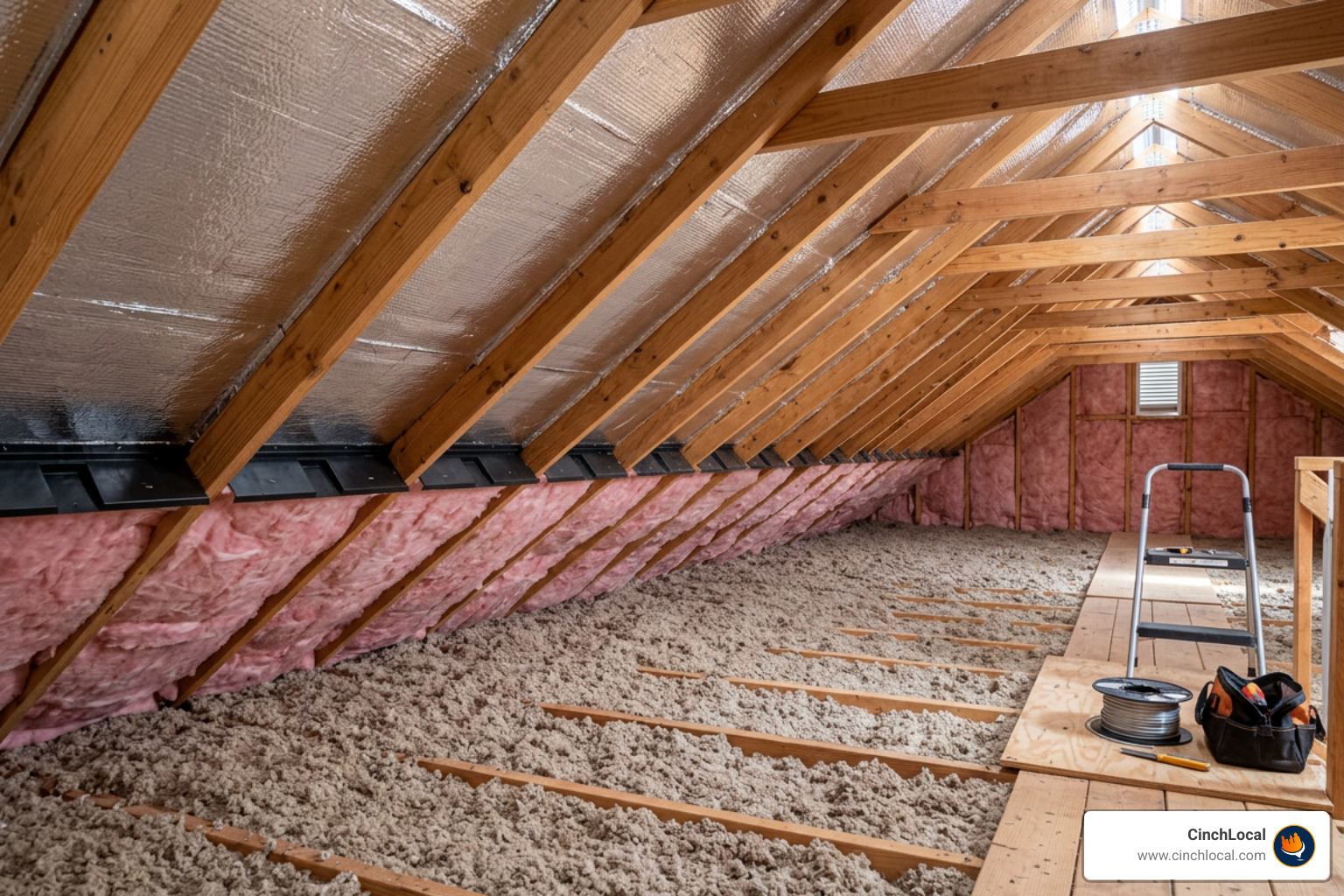
Properly adding insulation over a sloped roof or within the attic floor prevents "thermal bridging," where heat bypasses insulation through the wooden studs. By sealing air leaks and ensuring the thermal envelope is intact, we ensure that the expensive conditioned air stays inside the living space.
Optimizing Attic Ventilation for Year-Round Savings
Ventilation is the "lungs" of the home. Without it, heat and moisture become trapped. In the summer, a stagnant attic can reach 150°F, baking the shingles from the inside out and forcing the AC to work overtime. In the winter, poor ventilation leads to moisture buildup and ice dams in colder climates like Ohio.
We follow the 1:150 rule: one square foot of ventilation for every 150 square feet of attic space. This is a critical point we highlight when helping clients grow their business with specialized roofing SEO. A balanced system of intake (soffit) and exhaust (ridge) vents ensures a continuous flow of cool air. You can see the impact of these strategies in our Google Maps SEO results for roofing contractors, where we help pros showcase their technical expertise to win more local jobs via Google Maps local SEO.
Advanced Insulation and Radiant Barrier Integration
To reach the R-49 standard recommended for many US regions, we often combine bulk insulation with radiant barriers. Radiant barriers are highly reflective foil sheets installed under the roof rafters. Unlike insulation which slows heat transfer, radiant barriers reflect it.
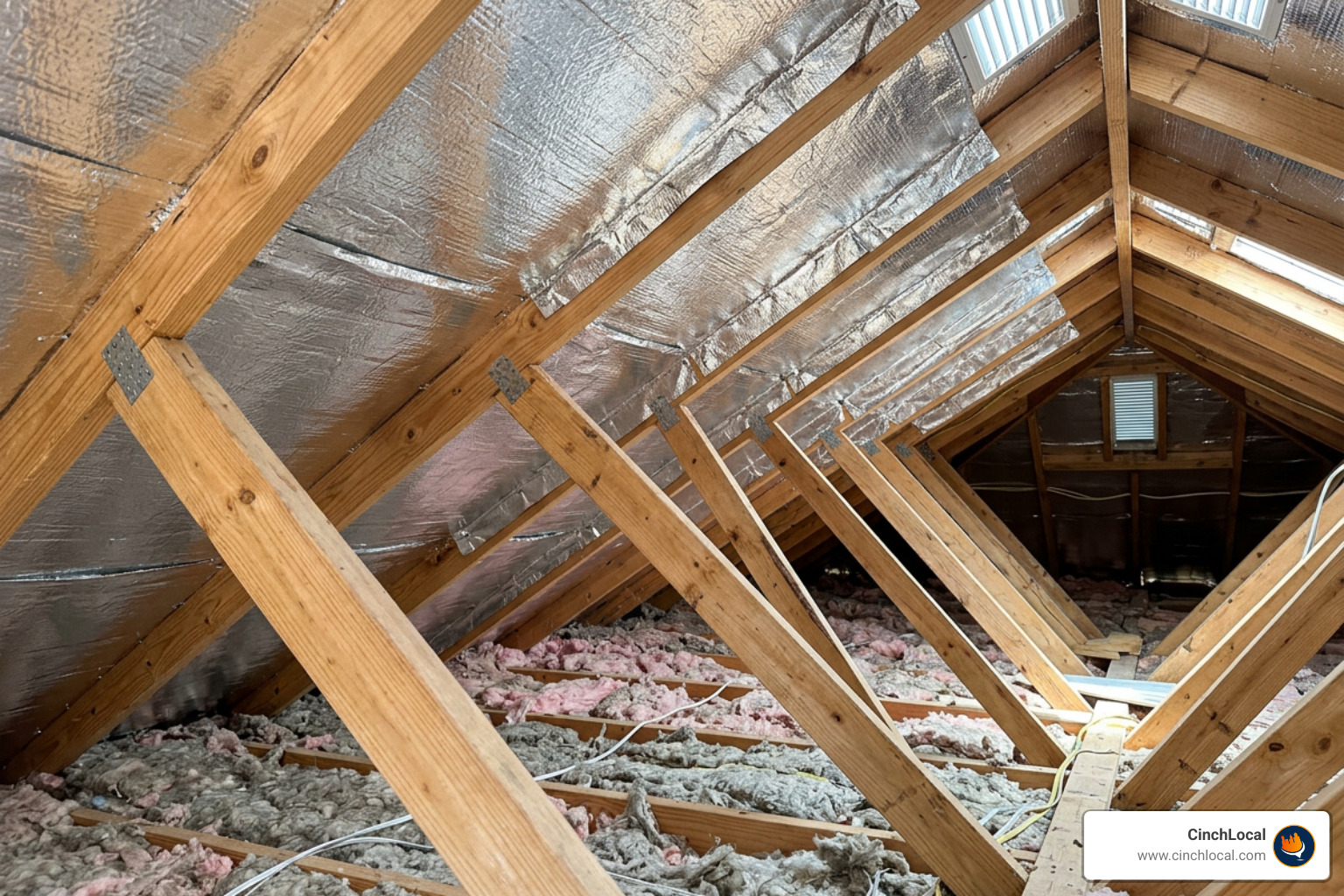
When paired with spray foam or polyiso boards, these barriers eliminate convective looping and significantly reduce radiant heat gain. This is the difference between a "standard" job and a high-performance upgrade that generates lifelong referrals.
Installation Best Practices and Maintenance for Longevity
Even the best materials will fail if the installation is subpar. For an energy efficient roof upgrade , airtightness is everything. Our crews focus on sealing every penetration—pipes, vents, and chimneys—to prevent air exchange between the attic and the outside world.
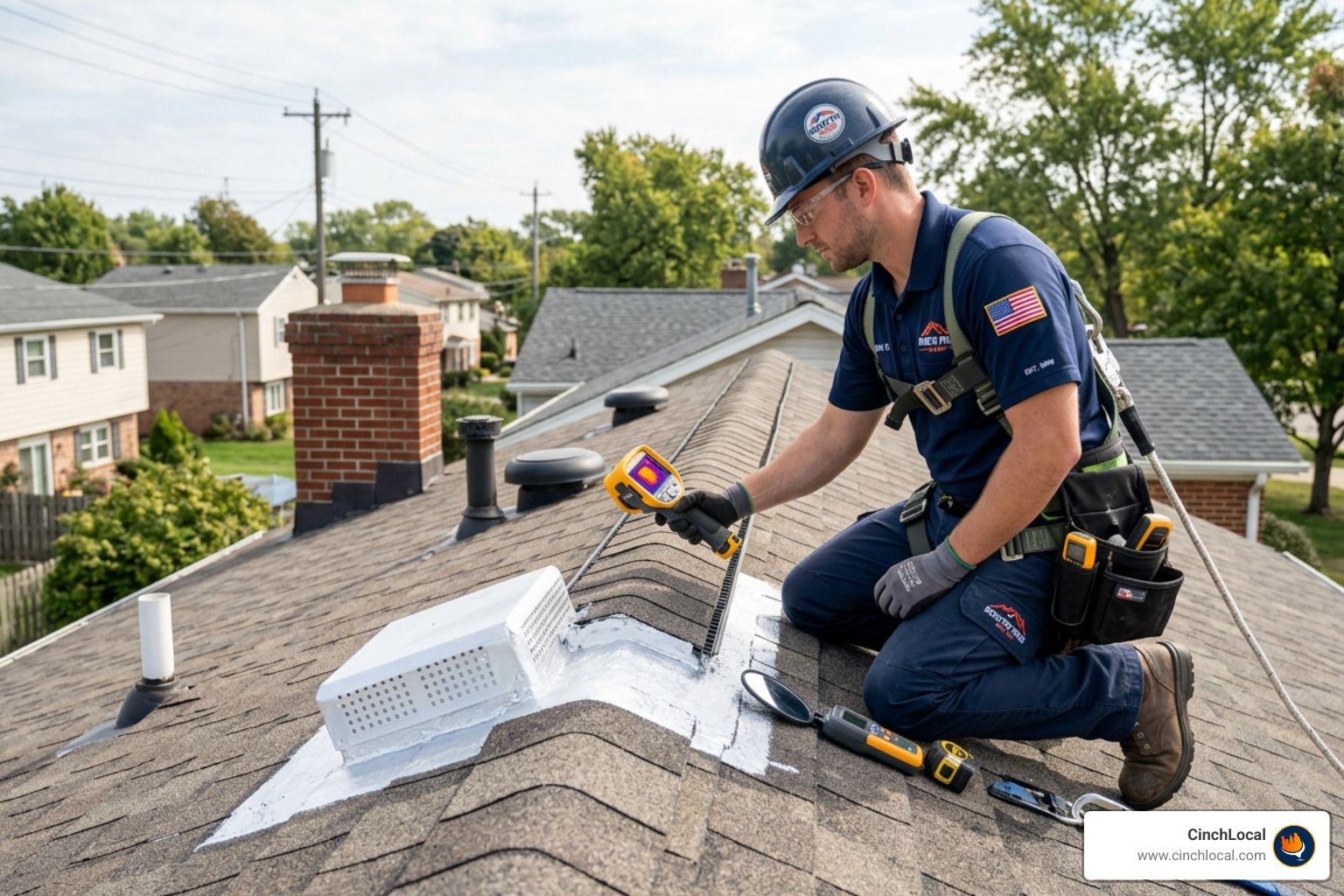
Maintenance is equally vital. A white roof that is covered in dirt or debris loses its reflective properties. We recommend:
- Annual Inspections: Catching small leaks or flashing issues before they compromise the insulation.
- Debris Removal: Keeping the surface clean to maintain high solar reflectance.
- Coating Re-application: For liquid-applied systems, a "refresh" coat every 5-10 years ensures peak performance.
- Warranty Compliance: Following manufacturer guidelines for polyiso or SPF installation to ensure long-term coverage.
Climate-Specific Installation Considerations
Geography dictates strategy. In the humid Southeast (Georgia and Tennessee), moisture management and mold prevention are the priorities. In the hurricane-prone coastal areas, we focus on wind-uplift resistance, often using spray foam to bond the roof components together for extra strength. Don't let poor installation ruin your reputation; learn how to market your technical precision and dominate your local service area with our proven growth systems.
In urban California, we are seeing a rise in "green roofs." These vegetative layers provide incredible natural insulation and help manage stormwater runoff. Regardless of the climate, the goal remains the same: create a durable, efficient barrier that protects the homeowner's wallet and comfort.
Frequently Asked Questions about Energy Efficient Roofs
How much can a homeowner save with a cool roof?
Reflective roof coatings and cool shingles can reduce cooling costs by up to 20%. When combined into a full package with insulation and ventilation, homeowners can save over $1,190 annually, resulting in a net savings of roughly $29,000 over 30 years.
What is the difference between solar reflectance and thermal emittance?
Solar reflectance is the roof's ability to bounce sunlight (visible, infrared, and ultraviolet) away before it can be absorbed. Thermal emittance is the roof's ability to release any heat it has absorbed back into the atmosphere as infrared radiation. A truly "cool" roof needs high ratings in both.
Can I upgrade an existing roof without a full replacement?
Absolutely. You can apply reflective coatings to flat roofs, install radiant barriers in the attic, or boost your attic insulation to R-49. Improving ventilation by adding ridge or soffit vents is another cost-effective way to increase efficiency without tearing off the shingles.
Have more questions about how to sell these upgrades? Contact our team to learn how we help roofing businesses position themselves as the premier choice for energy-efficient solutions.
Conclusion
An energy efficient roof upgrade is more than just a home improvement; it is a strategic investment in the future of the property. For roofing contractors, mastering these technologies is the key to sustainable growth and authority in a competitive market. By offering high-performance solutions, you aren't just a roofer—you're an energy consultant who helps families save thousands of dollars.
At CinchLocal, we specialize in helping contractors reach the homeowners who are searching for these exact services. Our "Roofer Footprint Expansion System" is designed to put your business in front of pre-sold leads who value quality and efficiency over the lowest bid.
Ready to dominate your local market and become the go-to expert for energy-efficient roofing? Contact CinchLocal today for a consultation and let's start growing your footprint.
Want Us to Uncover Hidden 'Footprint Gaps' And Critical Blind Spots That’s Quietly Draining Calls, Jobs, and Profits?
Simply Fill Out The Form Below:
What If You Could Stop Wasting $30K+ a Year on Dead-End Marketing - And Finally Become the Go-To Roofer in Your City?
Other Helpful Articles You Might Enjoy