
How to Get in the Google 3-Pack: A Ranking Guide for Roofers

Cary Byrd // Founder of CinchLocal
What the Google 3-Pack Actually Is
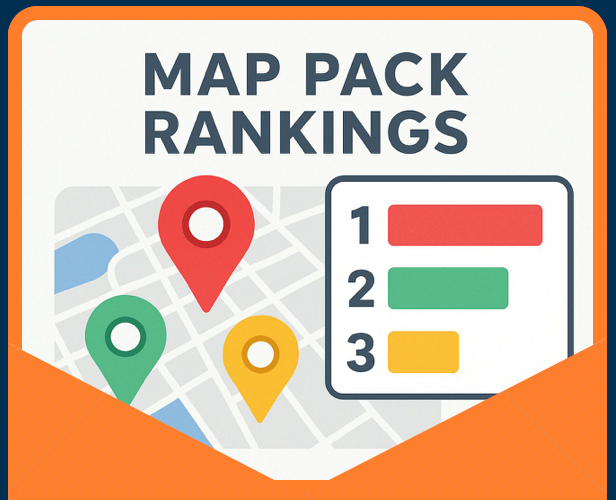
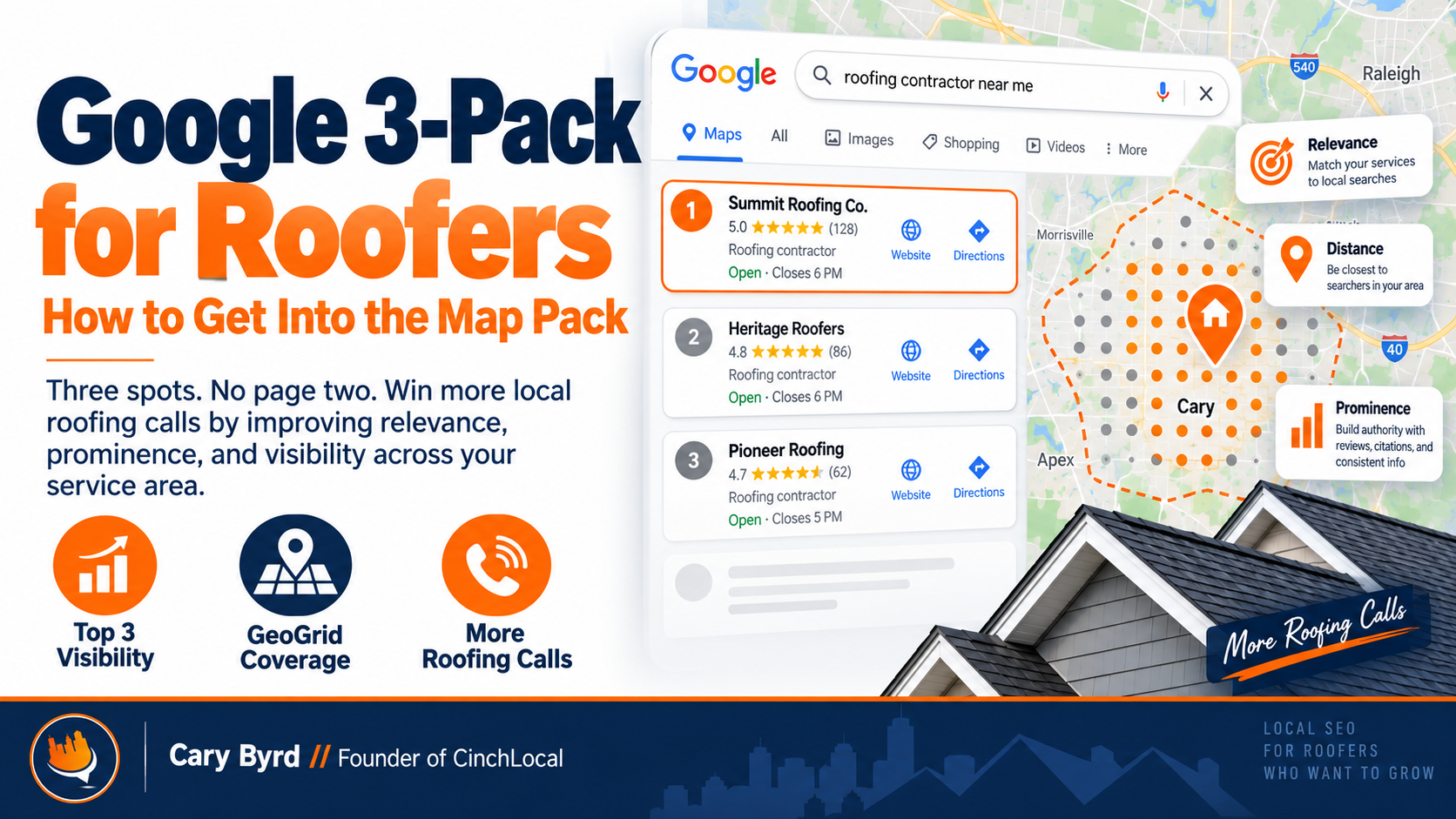
The Google 3-Pack is the block of three local businesses that appears with a map at the top of search results when somebody looks for a service near them. It goes by several names — map pack, local pack, snack pack, local 3-pack. Same thing.
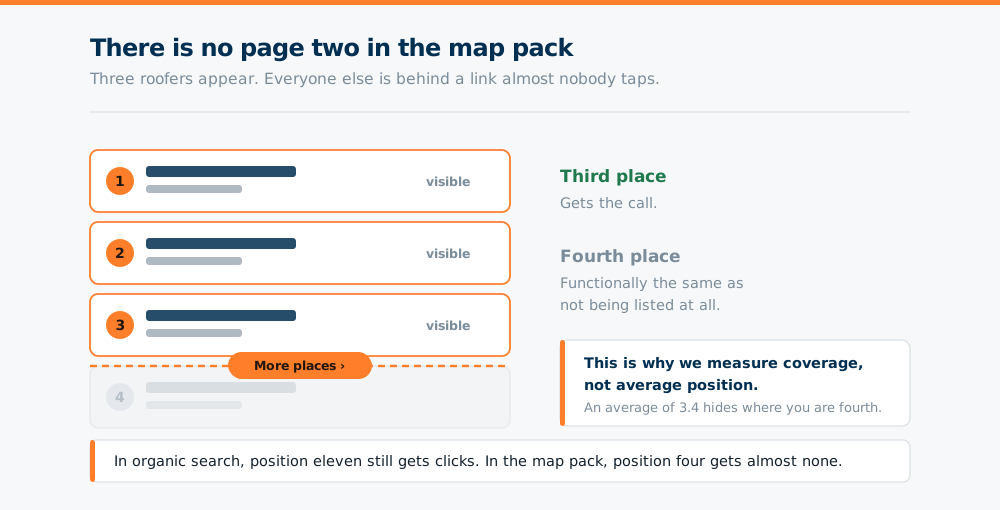
Three spots. Not ten. Everyone else sits behind a More places link that almost nobody taps.
For a roofing company that is the whole game, because roofing is bought locally and urgently. A homeowner with water coming through a ceiling is not comparing fifteen options. They are calling one of the three names on their screen.
Why three spots changes the maths
In organic search, position eleven still gets some traffic. Somebody scrolls, somebody clicks page two occasionally.
The map pack has no page two. Fourth place is not slightly worse than third — it is functionally the same as not being listed. That is the single most important thing to understand about local search, and it is why we measure map pack coverage rather than average position.
Why Roofers Live or Die by the Map Pack
Three things about roofing make the map pack matter more than it does for most trades.
The searches are urgent
Emergency roof repair near me and roof leak repair near me together carry over 13,000 monthly searches in the US. Somebody typing those is not researching. They have a problem right now and they are going to call whoever appears first and looks credible.
The buyer never reaches your website
Map pack results are tapped on the business name, which opens the Google Business Profile — phone number, reviews, photos, hours, all without visiting your site. A large share of roofing calls now happen entirely inside Google. Your website still matters, but as the evidence Google reads rather than the page the customer lands on.
And the map pack is no longer the only place they look
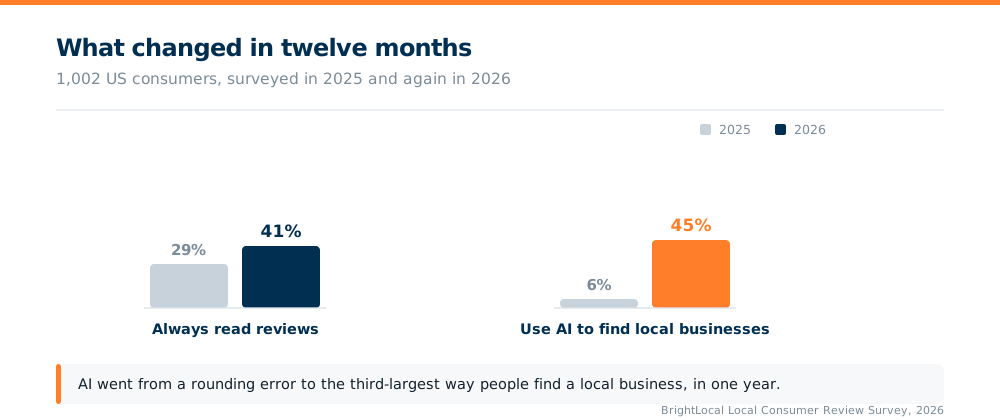
The same BrightLocal 2026 survey recorded the sharpest single-year shift in its sixteen-year history: consumers using AI tools to discover local businesses went from 6% to 45% in one year. Google's own share of local business discovery fell from 83% to 71% over the same period.
That does not make the map pack less important — it is still where most roofing calls start. It does mean the evidence base has to work twice: once for Google, once for whatever an assistant reads when somebody asks it who to call.
It is geographic, and roofers serve areas rather than addresses
A dentist serves the people near their door. A roofing company drives twenty-five miles. The map pack ranks by proximity to the searcher, not proximity to you — so a roofer who ranks first at their own address can be invisible in half the towns they actually serve.
How Google Decides Who Gets the Top Three Spots
Google publishes this, and it is worth reading in the original: relevance, distance and prominence are the three factors behind local results.
Distance
How close your business is to the person searching. You cannot change this one, and it is the reason a single office cannot cover a whole metro on its own.
Relevance
How well your business matches what was searched. This is the one most roofers underuse — category selection, services listed on your profile, and the pages on your website that name specific services in specific towns.
Prominence
How well known and well regarded your business is. Reviews, citations, links, and mentions across the web. This is where most of the compounding work happens.
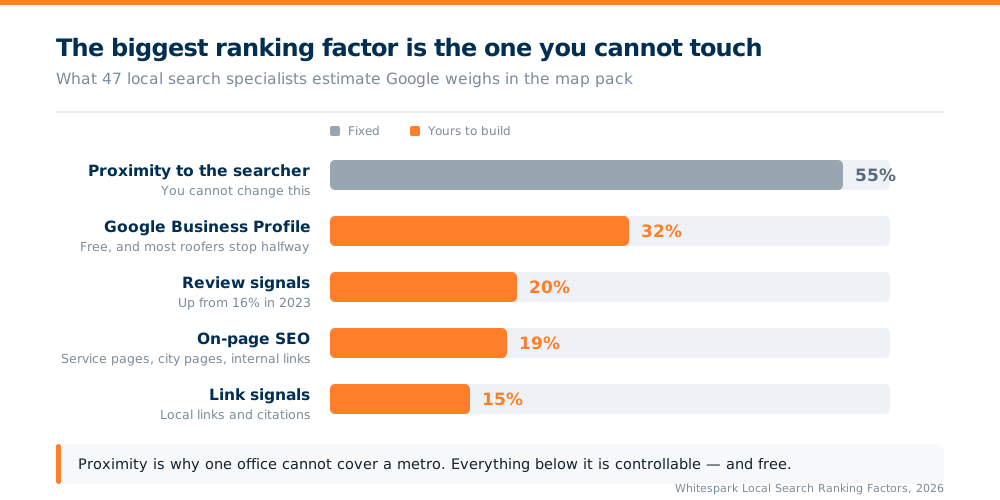
Google does not publish weightings. Whitespark's 2026 Local Search Ranking Factors survey, which polls 47 local search specialists, puts proximity at roughly 55% of the decision, Google
Business Profile signals at 32%, review signals at around 20% and on-page work at 19%.
Read those numbers carefully. Proximity is the biggest single factor and the one you cannot touch — which is exactly why a single office cannot cover a metro. Everything else on that list is controllable, and profile signals alone outweigh everything most roofers spend their money on.
Distance is fixed. Relevance and prominence are built — which is the entire reason a roofer with a smaller office can outrank a bigger competitor across a service area.
Reviews: The Part Most Roofers Get Half Right
Most roofing companies know reviews matter. Fewer know that how recently they arrive matters as much as how many there are.
Volume, rating and velocity are three different things
A hundred reviews averaging 4.9, all posted three years ago, reads differently to Google and to a homeowner than thirty reviews averaging 4.7 with four arriving this month. Reviews carry dates. A profile that stops collecting them looks like a business that stopped working.
BrightLocal's 2026 Local Consumer Review Survey of 1,002 US consumers found 97% now read reviews before choosing a local business, and 41% say they always read them when browsing — up from 29% a year earlier. That is a twelve-point jump in twelve months.
Whitespark's specialists also moved review signals up, from about 16% of local pack weight to around 20% between their 2023 and 2026 editions. Reviews are one of the few things that are both a ranking factor and a conversion factor at the same time.
The practical target is a steady trickle rather than a burst — a handful every month, forever, rather than forty in one week after a push.
What a homeowner is actually reading
Not the star average. They are reading the most recent negative review and your response to it. A roofing company with a 4.6 and thoughtful replies to complaints converts better than a 4.9 with no replies at all, because the first one looks like a business that answers the phone when something goes wrong.
The bar has also risen. The same BrightLocal survey found a growing share of consumers will only consider businesses rated 4.5 or higher, and that half now reject replies that read as copy-paste. A generic “Thank you for your feedback!” on every review is worse than no reply.
Where to ask
On the roof, on the last day, before you drive away. Not by email a week later. The single biggest lever on review velocity is when the crew asks, not what the follow-up sequence says.
Here is that comparison, if you want to test it on yourself.
You are the homeowner. Water is coming through the ceiling. Pick one.
Homeowners are running this test on your profile every day.
See how yours comparesThe percentages shown are illustrative, based on the review behavior reported in BrightLocal's 2026 Local Consumer Review Survey of 1,002 US consumers — not a live poll of this page. The three profiles are composites of patterns we see repeatedly when auditing roofing companies.
The Mistake That Keeps Roofers Out
Almost every roofing company we audit checks its map pack ranking the same way: they search their main service term from the office and look at where they land.
That number is real, and it is close to useless. It describes the one place on the map you are guaranteed to rank well, because you are standing on it.
What a GeoGrid scan actually shows
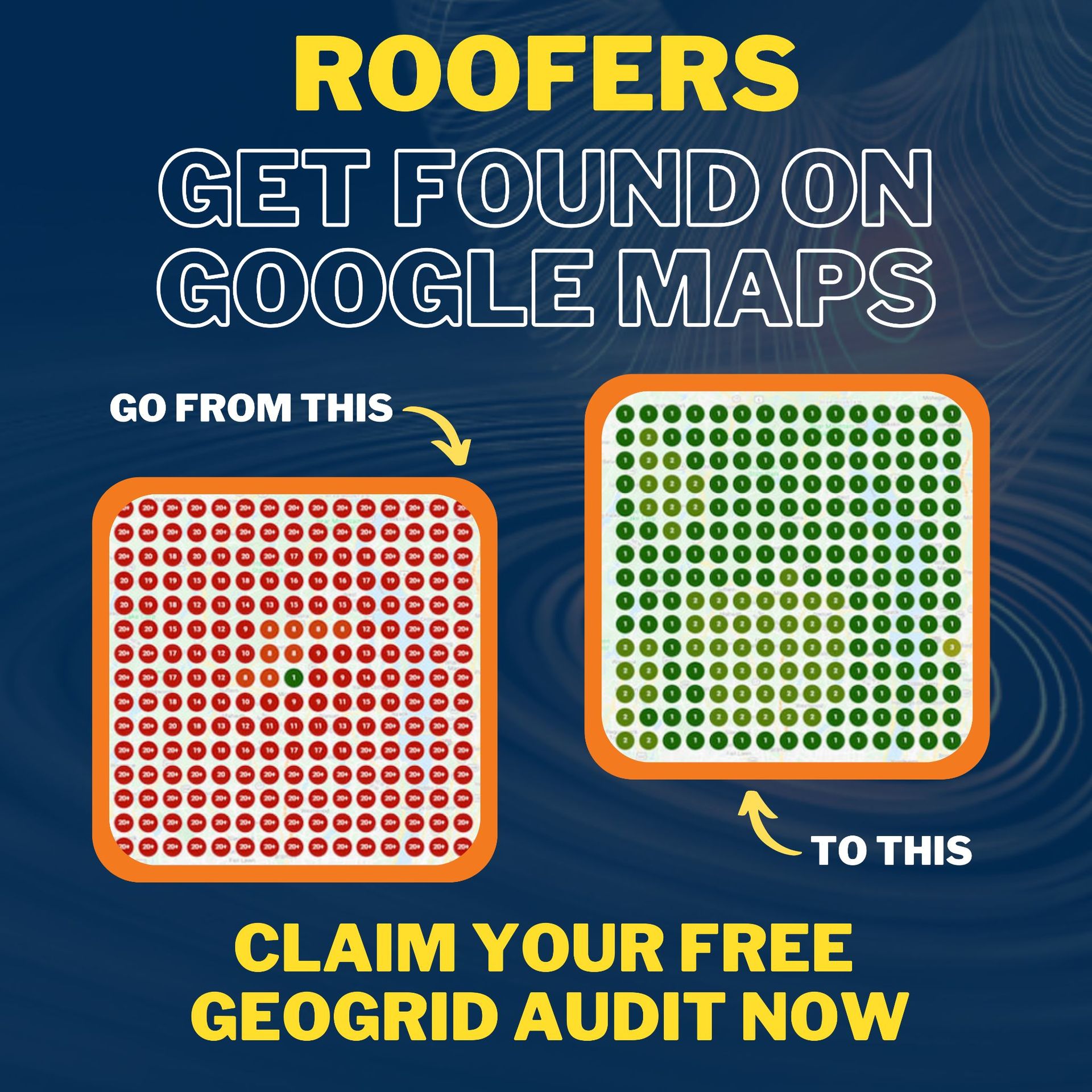
We scan rankings at dozens of coordinates across a service area instead of one. The result is a map: green where you are in the top three, grey where you are nowhere. Most roofers we scan for the first time are in the top three across ten to twenty percent of the area they serve, and had no idea.
That measurement is the basis of everything we do on Google Maps SEO — you cannot fix a coverage problem you are measuring as a single number.
Why the gaps appear where they do
Almost always because the geographic evidence stops at the office. One location page, one Areas We Serve list, no real content about the towns fifteen minutes away. Google has nothing connecting the business to those places, so it ranks somebody who does. Local landing pages are how that gets fixed.
Here is what that looks like across a service area.
Google builds local results around the searcher, not around you. Tap anywhere on the grid.
This is a simulation. We'll run the real scan on your business — free, and you keep the report.
Get your real GeoGridGoogle weighs proximity, relevance and prominence. Proximity you can't change — prominence is what decides how far from your door you keep ranking. This illustrates that mechanic; it isn't a prediction of your results.
What Actually Moves a Roofing Company Into the 3-Pack
In the order we work them, and roughly in order of impact.
1. A complete, correctly categorized Google Business Profile
Primary category set to Roofing Contractor, every service listed, service areas defined, hours accurate, photos added regularly. Verification handled properly. This is the foundation and it is free.
2. Consistent business information everywhere it appears
Name, address and phone identical across your website, directories, review sites and social profiles. Inconsistency here quietly caps everything else.
3. Real pages for the places you work
Not a list of towns. A page per market with substance on it — the neighborhoods, the roof types common to that housing stock, the local storm history, photos of jobs you completed there.
4. Review velocity, deliberately managed
A repeatable way for crews to ask, and a habit of responding to every review inside a day or two.
5. Citations and local links
Directory listings, supplier pages, chamber and association memberships, local sponsorships. Slow, unglamorous, and it is what prominence is made of.
None of it is a trick. It is the same list every time, done properly and kept up — which is why it works and why most companies stop halfway. Our residential and commercial case studies show what the timeline actually looks like.
How Long This Takes
Longer than anyone selling it wants to say, and shorter than most roofers fear.
Profile fixes and category corrections can move things in weeks. Review velocity shows up over a couple of months. Geographic coverage — ranking in towns where you have no address — is the slow one, because it depends on content Google has to find, index and trust. Six months is a realistic horizon for a meaningful change in coverage, and our Big River case study documents that timeline with the actual numbers.
Anyone guaranteeing a top-three position in a fixed number of days is guaranteeing something they do not control. What can be guaranteed is the work, and that you will see the coverage map either way.
See Your Actual Coverage
Book a free strategy session and we will run a live GeoGrid scan on your business — real rankings at real coordinates across your service area, not one number from your office. You will see where you are in the top three, where you are not, and which competitor is taking the towns you are missing.
We work with roofing contractors only, one per market. You keep the scan either way, and if your city is already taken we will tell you on the call.
Frequently Asked Questions
What is the Google 3-Pack?
The Google 3-Pack is the block of three local businesses shown with a map at the top of search results for local queries. It is also called the map pack, local pack or snack pack. Only three businesses appear; everyone else sits behind a “More places” link that very few people tap, which is why third place and fourth place are separated by far more than one position.
How do roofers rank in the Google 3-Pack?
Google ranks local results on relevance, distance and prominence. Distance is fixed. Relevance comes from a correctly categorized Google Business Profile and real pages about specific services in specific towns. Prominence comes from reviews, citations and local links. In practice that means a complete profile, consistent business information everywhere, genuine city pages, steady review velocity, and local citations — done in that order.
Why does my roofing company rank first at the office and nowhere else?
Because map pack results are ranked by proximity to the person searching, not to you. If your only geographic evidence is your address, Google has no reason to show you in a town fifteen minutes away. This is the single most common pattern we find, and it is why we measure coverage across a grid of locations rather than checking one ranking.
How many Google reviews does a roofing company need?
There is no threshold number. What matters more is velocity and recency — a steady handful arriving every month beats a large batch collected years ago, because reviews carry dates and a profile that stopped collecting them looks like a business that stopped working. Responding to reviews, particularly the negative ones, matters as much as the count.
How long does it take to get into the Google 3-Pack?
Profile and category fixes can move things within weeks. Review velocity shows up over a couple of months. Geographic coverage — ranking in towns where you have no address — typically takes around six months, because it depends on content Google has to find, index and trust. Anyone promising a top-three position in thirty days is promising something they do not control.
Is the Google 3-Pack more important than organic rankings for roofers?
For urgent roofing searches, generally yes. The map pack sits above organic results, and the tap goes to the business name rather than the website — opening the Google Business Profile with the phone number, reviews and photos. Many roofing calls now happen entirely inside Google. Organic still matters for research-stage searches like cost and material comparisons.
What is a GeoGrid scan?
A GeoGrid scan checks your map pack ranking at dozens of coordinates across your service area rather than from one location, then plots the results as a map. It shows the percentage of your service area where you appear in the top three. Most roofing companies we scan for the first time come in somewhere between ten and twenty percent, and are surprised, because checking from the office shows first place.
Want Us to Uncover Hidden 'Footprint Gaps' And Critical Blind Spots That’s Quietly Draining Calls, Jobs, and Profits?
Simply Fill Out The Form Below:
What If You Could Stop Wasting $30K+ a Year on Dead-End Marketing - And Finally Become the Go-To Roofer in Your City?
Other Helpful Articles You Might Enjoy