

Roofers Website Design Terms Demystified

Cary Byrd // Founder of CinchLocal
Why Roofers Website Design Drives Better Local Leads

Roofers website design is the work of building a fast, mobile-friendly website that helps homeowners trust your company, understand your services, and request an estimate. For a roofing contractor, the right site is not a digital brochure. It is a lead-generation tool built to earn calls from local homeowners, support stronger visibility in Google search and Maps, and connect your business to roofing marketing services built to generate local leads.
A high-performing roofing website should include:
- Clear service and location pages so Google and customers know where and what you serve.
- Fast mobile performance - ideally loading in two seconds or less.
- Prominent calls to action such as click-to-call buttons and estimate forms.
- Proof of workmanship through project photos, reviews, certifications, and company history.
- Simple navigation that gets a homeowner from a roof problem to contacting your team without friction.
Roofing is one of the most searched construction trades online. That creates opportunity, but it also means your site must quickly show why a local homeowner should choose your crew. A well-built website can turn searches for repairs, replacements, storm damage, and inspections into exclusive estimate requests.
I am Cary Byrd, founder of CinchLocal, and I lead strategies for roofing web design, local search visibility, and roofing lead generation. This guide breaks down roofers website design terms in plain language, so you can make smarter decisions before investing time and budget in your next site.

Essential Core Components of High-Converting Roofers Website Design
Building a lead-generating website requires focusing on conversion rate optimization (CRO) and user experience (UX). Conversion rate represents the percentage of site visitors who complete a desired action, such as submitting a form or tapping your phone number. UX measures how effortlessly a homeowner can navigate your site on any device.
When homeowners experience a roof leak or storm damage, they want immediate answers. If your pages take long to load or look distorted on mobile devices, users bounce back to search engine results. Site load speed is a major ranking factor for search engines and a deciding factor for homeowners.
Our testing across contractor sites confirms that keeping total page loading speed under two seconds dramatically reduces bounce rates. You can test your current speed directly through Google PageSpeed Insights to see where performance bottlenecks exist. For additional insights on structure, review the ultimate guide to roofing website design for contractors.

Call-to-Action Strategy and Above-the-Fold Optimization in Roofers Website Design
The term "above the fold" originates from print newspapers, referring to content visible before unfolding the paper. In modern web design, it means everything visible on a phone or desktop screen before the user scrolls down.
To turn casual traffic into qualified leads, your above-the-fold space must feature three critical elements:
- A clear value proposition explaining your primary roofing specialization and local service area.
- An immediate click-to-call phone button for urgent repair needs.
- A streamlined lead form for scheduled estimate requests.
Implementing a sticky header—a navigation bar that remains locked at the top of the screen as visitors scroll—ensures your contact phone number and estimate request buttons remain clickable at all times. Explore proven visual layouts in our breakdown of roofing website design ideas to keep your business above the rest.
Trust Badges, Reviews, and Visual Portfolios in Roofers Website Design
Homeowners view roof replacements as major financial investments, making trust indicators mandatory for conversion. Trust badges include manufacturer certification seals, state licensing details, insurance validation, and industry accreditation emblems.
Incorporate the following visual assets across your layout:
- Interactive Before-and-After Sliders: Allow users to drag a slider over project photos to reveal structural transformations.
- Embedded Review Widgets: Pull verified third-party reviews automatically onto your homepage to display continuous social proof.
- Project Portfolios: Organize galleries by service type (shingle replacement, standing seam metal, flat roof coatings) and city.
Detailed project showcases with high-resolution photography give homeowners complete confidence in your craftsmanship. Reference our ultimate checklist for roofing contractor websites to audit your current trust signals.
Choosing Content Management Systems and Site Architecture
A Content Management System (CMS) is the underlying platform used to build, manage, and edit website pages without writing custom software code. Choosing the proper CMS determines how easily your business scales its digital presence over time.

WordPress remains the industry gold standard, powering over 40% of all websites globally. Its open-source architecture offers unmatched flexibility, extensive local SEO plugin integration, and complete ownership of your digital assets. Read more about structural frameworks in our analysis of top roofing company websites best designs for 2026.
Ideal Page Count for Informational vs Lead Generation Sites
Site architecture refers to how individual website pages are organized and linked together. The total page count depends directly on your commercial goals:
- Informational Sites (5 Pages): Suitable for brand validation only. Standard structure includes Homepage, About Us, Core Services, Project Gallery, and Contact Us.
- Lead Generation Engines (15 to 30+ Pages): Built to dominate regional search queries. Includes dedicated landing pages for every specific service (e.g., Roof Repair, Storm Damage Restoration, Commercial Coating) paired with targeted geographic location pages.
Expanding your site depth allows you to capture targeted long-tail search traffic across every municipality you service. Review our guide on pricing your roofing website without going through the roof to understand how scale influences build costs, or examine benchmark data regarding how much a roofing lead costs when generated organically.
No-Code Website Management and Content Editing
Modern visual drag-and-drop page builders allow business owners and office administrators to make real-time updates without writing code. You can quickly add job photos, post emergency storm notices, or upload project testimonials directly through visual control panels.
While maintaining content is straightforward, technical tasks like database optimization and server management require technical oversight. Review our creating a roofing website DIY guide for roofers to decide whether to manage updates in-house or partner with professionals.
Call-to-Action: Get a Free Roofing Web Design Consultation
Is your current website generating a steady flow of exclusive estimate calls every week? If your site is sluggish, hard to navigate on mobile, or failing to rank in local searches, you are losing valuable jobs to competitors. At CinchLocal, we build custom lead-generation websites engineered specifically for trade contractors across Ohio, Tennessee, Georgia, California, and throughout the USA. Schedule your free web design consultation with our strategy team today.
Cost Expectations and Investment Breakdown for Contractor Sites
Understanding website pricing requires looking at build costs, hosting infrastructure, ongoing maintenance, and security protocols. Designing a professional roofing website typically ranges between $2,500 and $10,000 depending on custom requirements, asset creation, and page volume.
| Site Feature / Metric | Simple Informational Site | Advanced Lead Generation Engine |
|---|---|---|
| Typical Investment | $2,500 – $4,000 | $5,000 – $10,000+ |
| Page Volume | 5 Pages | 15 to 30+ Pages |
| Primary Objective | Digital Business Card / Reference | Active Local Search Lead Capture |
| Target Load Speed | Under 2 Seconds | Under 2 Seconds |
| Annual SSL Cost | ~$60 / year | ~$60 / year |
| Conversion Focus | Basic Contact Form | Sticky CTAs, Click-to-Call, Live Reviews |
Beyond initial design, budgets must account for baseline operational overhead. Secure Socket Layer (SSL) certificates carry an average annual cost of $60, encrypting visitor data and preserving organic search trust.
Evaluating Agencies vs Freelance Developers
Selecting the right development team directly impacts your return on investment. Generalist freelancers often deliver visually appealing graphics but lack understanding of contractor sales cycles, emergency repair call handling, and local SEO architecture.
When vetting partners, evaluate:
- Industry Specialization: Do they understand shingle grading, insurance claim workflows, and commercial vs. residential audiences?
- Proven Track Record: Can they present verifiable client success stories, such as documented increases in estimate forms?
- Technical Capabilities: Do they implement custom schemas, high-speed image compression, and mobile navigation standards?
Learn how professional agency execution accelerates revenue in our guide on how a roofer website design agency can help you to succeed, or explore our dedicated roofing web design services for tailored build specifications.
Local SEO and Competitive Optimization Strategies
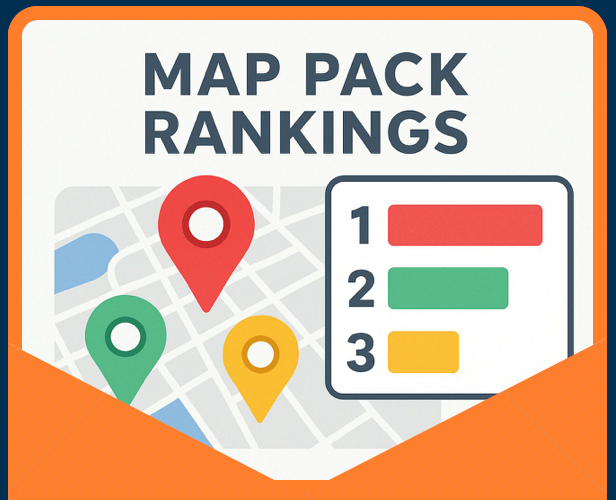
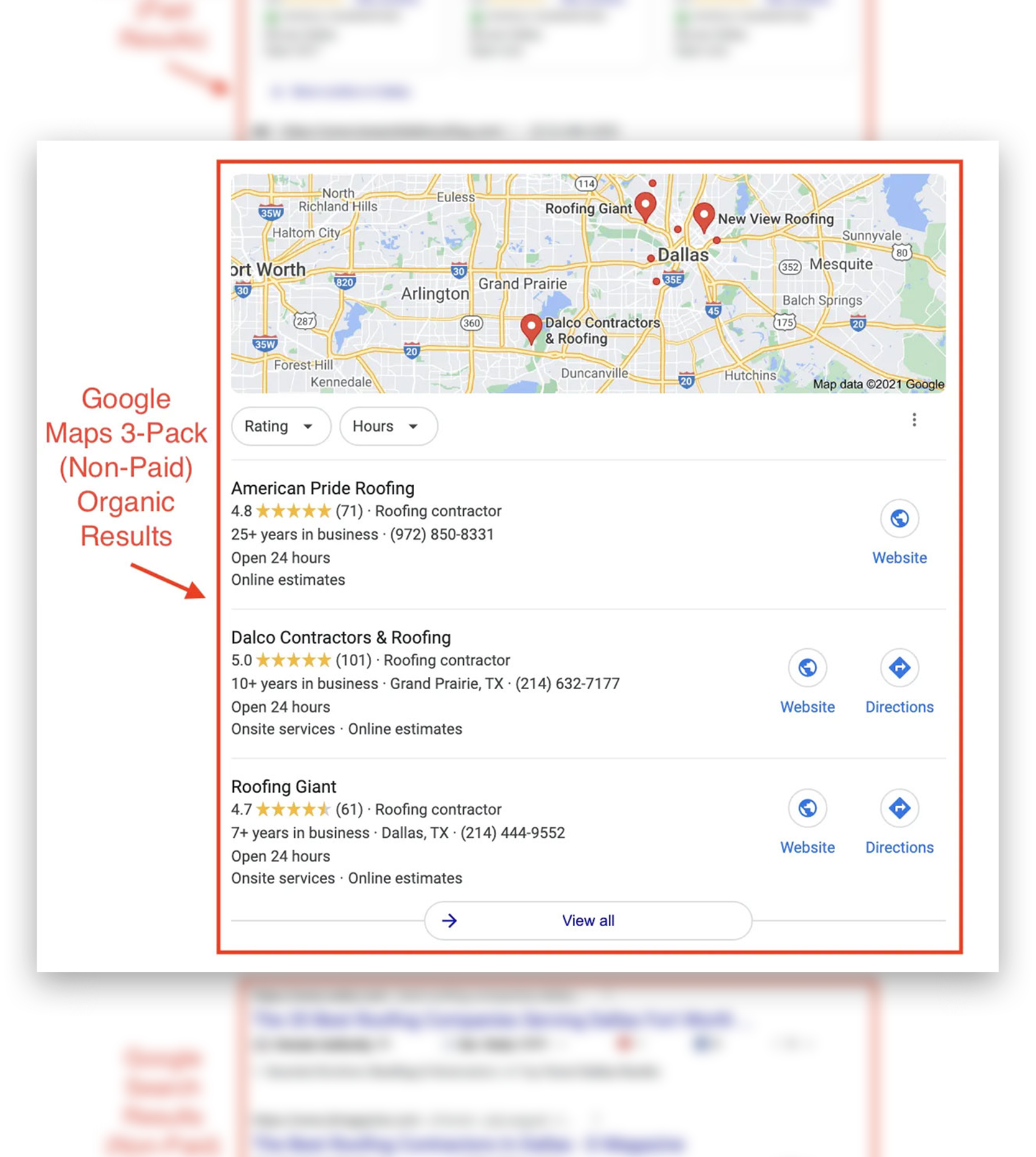
Search Engine Optimization (SEO) ensures your website appears prominently when local homeowners search for roofing solutions. Local SEO specifically targets geographic search queries, optimizing your site to rank in Google's localized Map Pack and organic search lists.
A critical component of technical local SEO is schema markup—standardized structured code added to your HTML from Schema.org Structured Data. This code explicitly informs search engines of your exact address, service areas, customer ratings, and business operating hours. To evaluate actual performance benchmarks in competitive markets, review our real-world SEO client campaign results.
Localized Landing Pages and City Target Keywords
To attract customers from surrounding towns, avoid building a single generic contact page. Instead, build customized location landing pages for every primary city or suburban territory within your service radius.
Effective localized service pages contain:
- Unique localized content detailing regional climate considerations (e.g., hail damage, heavy snowfall, intense UV degradation).
- Embedded Google Maps pins confirming active local service.
- Real project photos taken on location within that specific city.
- Client reviews from verified homeowners living in that zip code.
Review strategic design inspiration in our breakdown of roofing web design inspiration to nail your online presence.
Call-to-Action: Boost Your Local Maps Visibility with CinchLocal
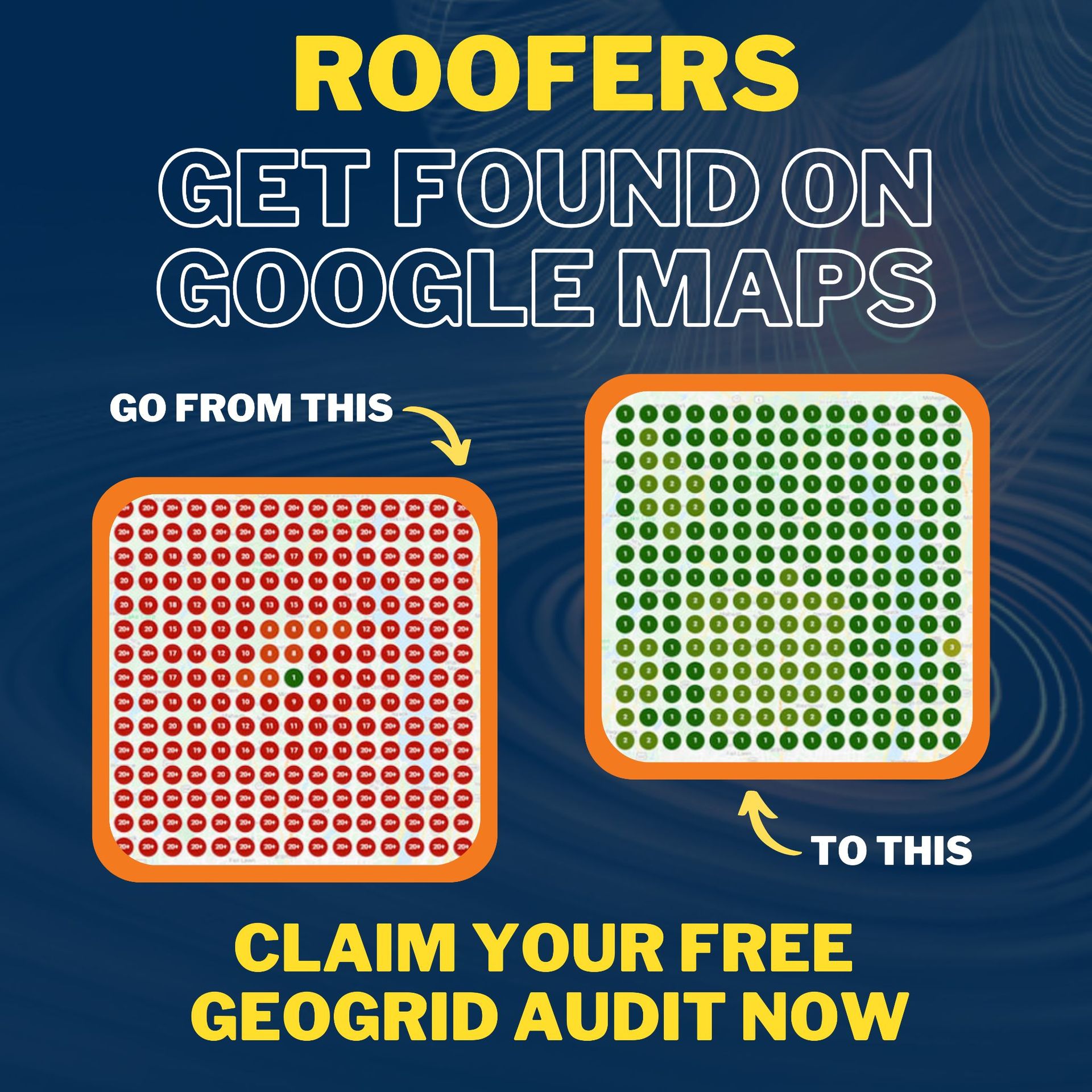
A high-converting website is even more powerful when paired with dominant Google Maps rankings. Our proprietary Roofer Footprint Expansion System guarantees increased Google Maps visibility and pre-sold leads within 30 days. Don't let competitor crews capture local homeowners looking for roof replacements. Contact CinchLocal today to claim top search placement across your entire territory.
Frequently Asked Questions About Roofers Website Design
What is the ideal page load speed for a roofing contractor website?
The ideal page load speed for a roofing website is under two seconds. Homeowners searching for emergency leak repairs or sudden storm damage restoration will quickly leave slow-loading pages. Optimizing high-resolution job gallery photos through modern compression algorithms, leveraging web browser caching, and utilizing fast managed hosting servers keeps site speed well within this performance target.
How many pages does a roofing website need to rank locally?
A roofing website focused on active lead generation should contain between 15 and 30 pages. While a basic 5-page site can serve as a simple online reference card, ranking across multiple cities requires dedicated landing pages for each core service (residential shingle replacement, commercial flat roofing, storm damage repair) multiplied across your primary geographic target areas.
How do I optimize my website to convert visitors into booked roof estimates?
To maximize conversions, place primary contact methods—such as click-to-call phone buttons and estimate request forms—above the fold on both desktop and mobile screens. Implement sticky header menus, feature verified customer review badges on every landing page, display before-and-after photo sliders, and maintain quick form submission processes. Discover step-by-step techniques in our detailed roofing leads guide.
Conclusion
Your website serves as the primary hub of your company's entire digital presence. By understanding key design terms—from site architecture and conversion rate optimization to load speed targets and local schema markup—you can make informed investment decisions that deliver measurable commercial growth.
Combining fast mobile response times, high-impact visual trust badges, and comprehensive local SEO pages turns casual online browsers into exclusive estimate requests. Highlighting your project galleries and verified client feedback establishes authority and builds instant consumer trust.
Ready to transform your contractor website into a high-volume lead machine? Partner with our industry specialists at CinchLocal to implement web builds and search campaigns that scale your sales volume. Visit the CinchLocal homepage to schedule your personal strategy review today.
Want Us to Uncover Hidden 'Footprint Gaps' And Critical Blind Spots That’s Quietly Draining Calls, Jobs, and Profits?
Simply Fill Out The Form Below:
What If You Could Stop Wasting $30K+ a Year on Dead-End Marketing - And Finally Become the Go-To Roofer in Your City?
Other Helpful Articles You Might Enjoy