

Cary Byrd // Founder of CinchLocal
Essential News and Publication Websites for Roofing Contractors
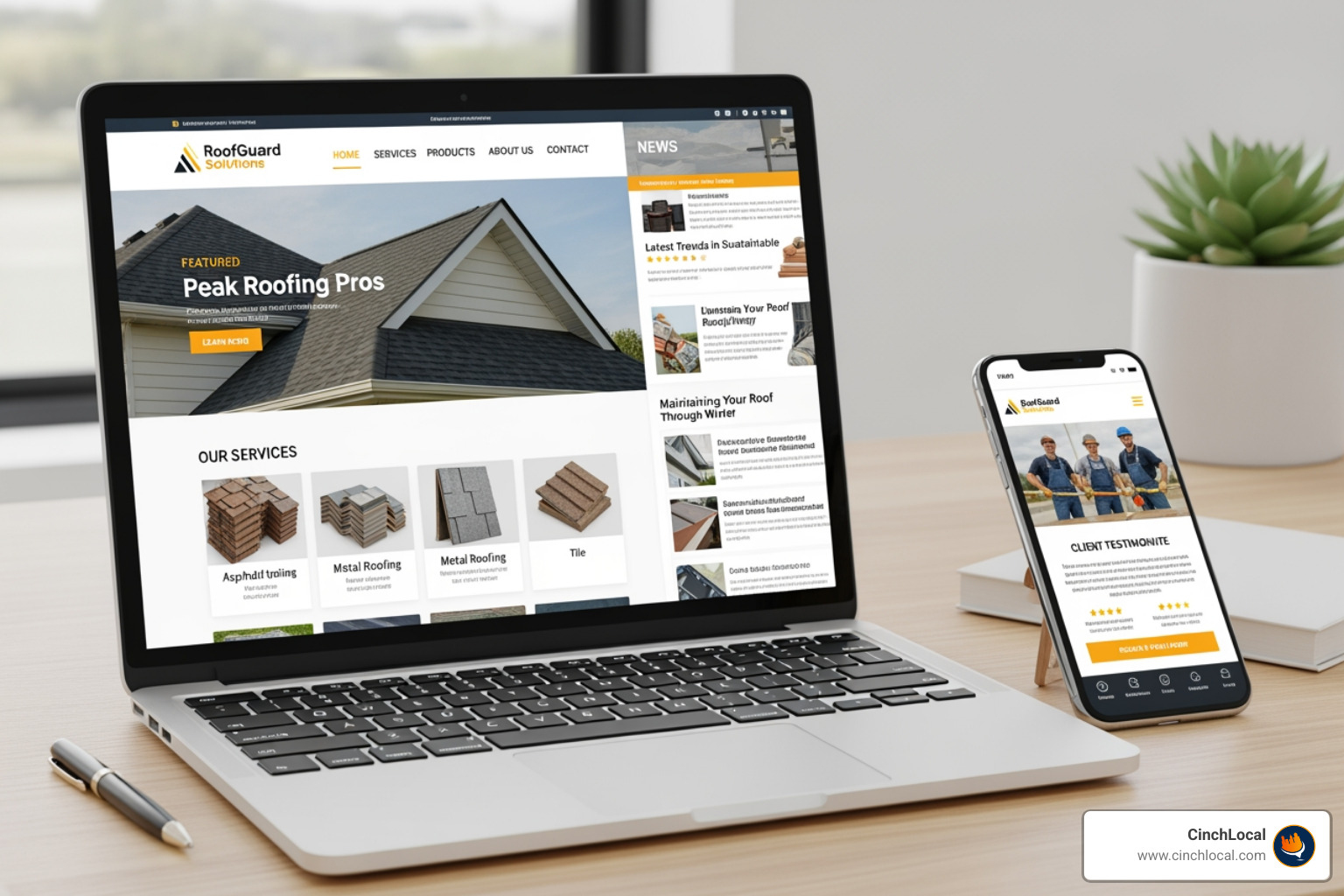
Roofing industry websites are the digital backbone of every successful roofing business in 2026 — whether you're a contractor looking for leads, a manufacturer sharing product specs, or a professional seeking training and certifications.
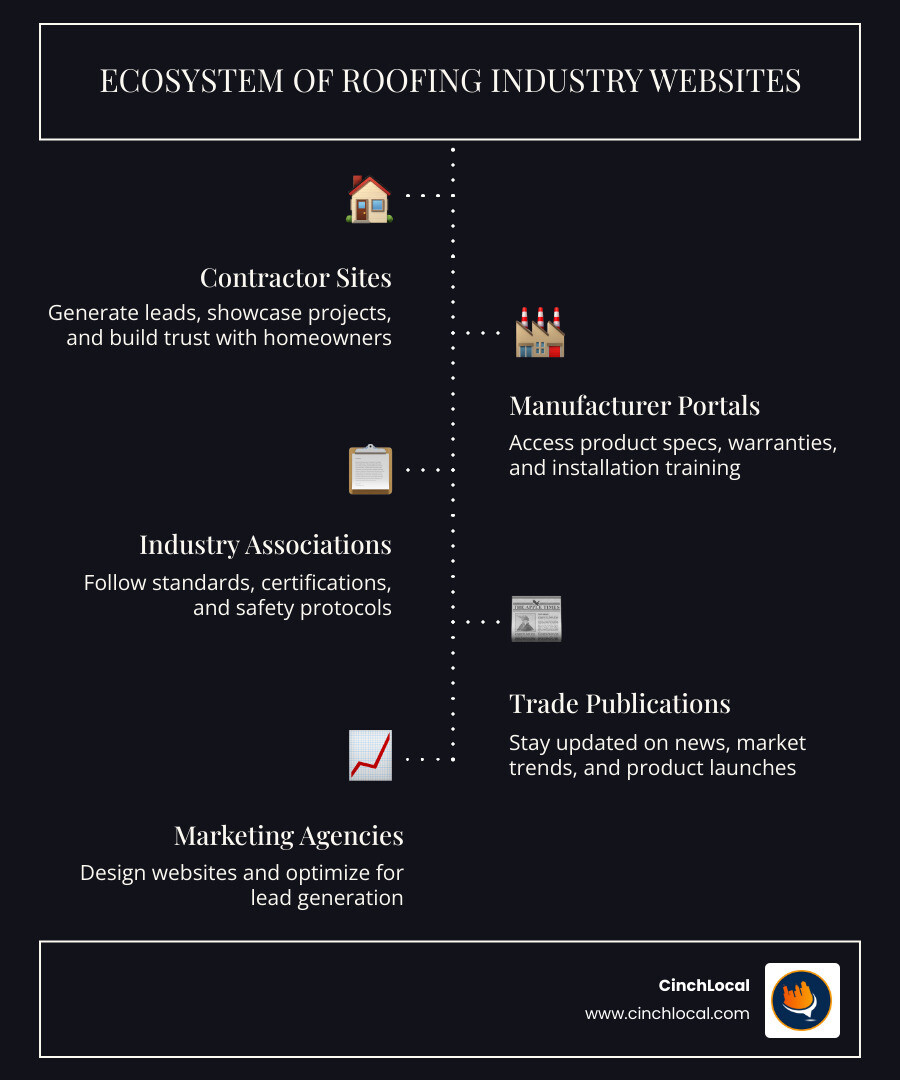
Here are the main types of roofing industry websites you'll find online:
| Type | Examples | Primary Purpose |
|---|---|---|
| Contractor websites | Local/national roofing companies | Generate leads, showcase projects |
| Manufacturer portals | GAF, IKO, ARMA | Product specs, warranties, contractor tools |
| Industry associations | NRCA, Roofing Alliance | Standards, training, member resources |
| Trade publications | Roofing Contractor Magazine | News, product launches, market trends |
| Marketing & SEO agencies | Roofing-specific agencies | Website design, lead generation |
The roofing industry is changing fast. In 2026, consolidation is reshaping the market, AI-powered tools are emerging for hail forecasting, and homeowners are doing more research online before ever picking up the phone. If your website isn't part of this ecosystem, you're invisible to the customers who matter most.
Most roofing contractors already know they need a website. What they don't know is how to make it work as hard as they do. That gap — between having a website and having one that actually drives calls and booked jobs — is exactly what this guide addresses.
CinchLocal helps roofing contractors close that gap with professional roofing marketing solutions built specifically for this industry.
I'm Cary Byrd, founder of CinchLocal, and over the past several years I've worked directly with roofing contractors across the country to build and optimize roofing industry websites that generate consistent, high-quality leads. My background in digital marketing and deep focus on the roofing sector gives me a ground-level view of what separates websites that rank and convert from ones that just take up space online.
Simple roofing industry websites word guide:
- how much does a roofing website cost
- who should build your roofing website
- why is my roofing website not ranking well

Staying ahead of the curve in the roofing world requires more than just checking the weather. In May 2026, the most successful contractors are those who treat market intelligence as a core business function. Top-tier news sites like Roofing Contractor Magazine serve as the industry's pulse, providing critical updates on everything from multi-billion dollar acquisitions to the latest fall protection harness redesigns.
Recent data from the 2026 Homeowner Roofing Survey highlights a significant shift: homeowners are increasingly weighing multiple financing options and researching hail and wind ratings before they even request a quote. If you aren't monitoring these trends, your sales pitch will feel dated. We recommend checking these publications weekly to understand how industry consolidation and vertical integration—like the massive $17B TopBuild deal—are reshaping the competitive landscape in Tennessee, Georgia, and across the USA.
Furthermore, these news platforms are the first to report on product innovations, such as new PVC/TPO tie-in strips or AI-powered hail forecast tools. For those looking to see how these trends translate into digital presence, exploring top roofing company websites: Best designs for 2026 can provide a roadmap for modernizing your own site to reflect current market standards.
Professional Associations and Industry Standards
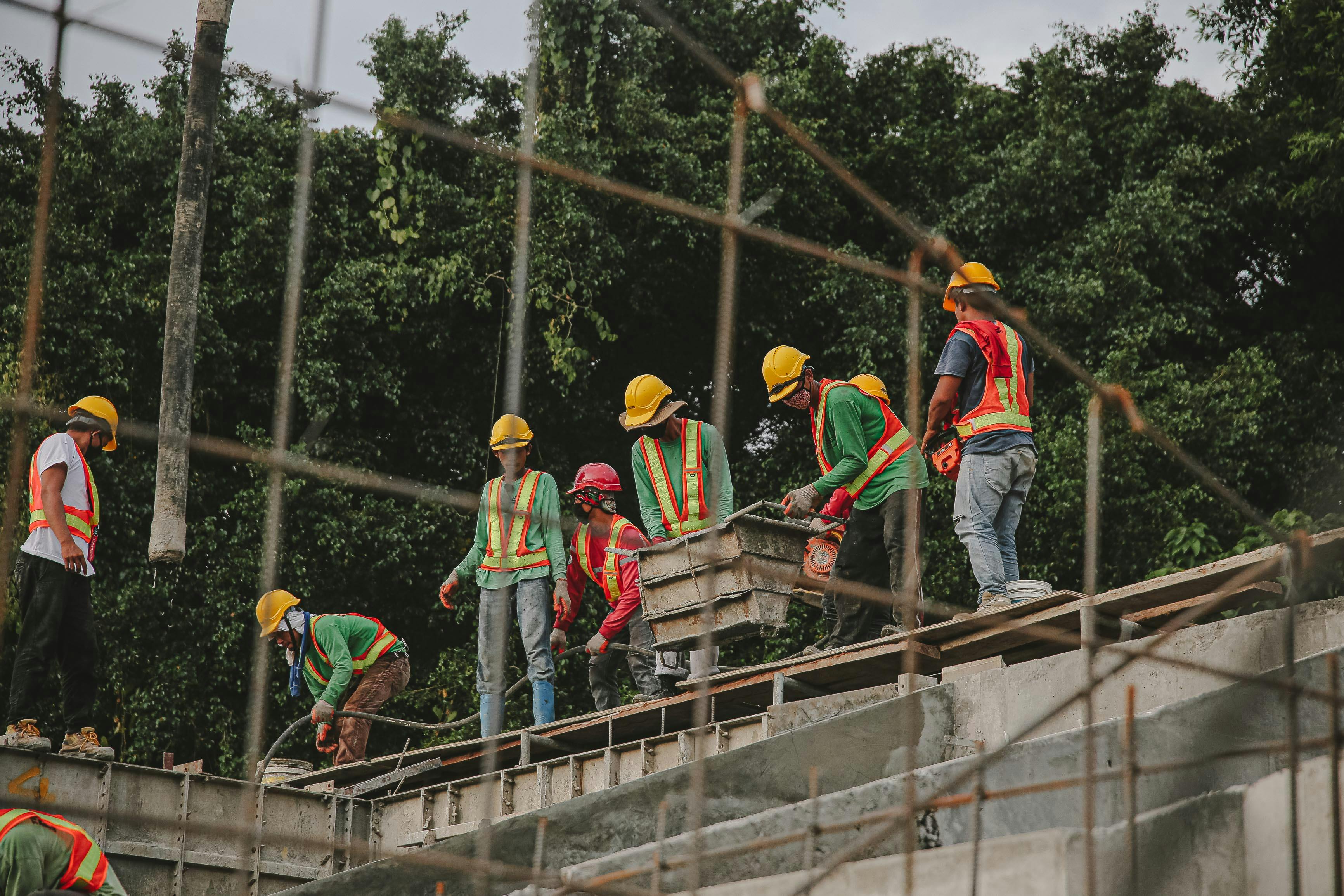
Reliability is the currency of the roofing industry. To build that trust, your website must align with the standards set by leading professional organizations. The National Roofing Contractors Association (NRCA) remains the gold standard for resources, offering everything from virtual CERTA training to field leadership programs. When a contractor lists NRCA membership on their site, it acts as an immediate trust signal to commercial and residential clients alike.
Similarly, the Asphalt Roofing Manufacturers Association (ARMA) provides the technical foundation for the most common roofing material in North America. Their websites are treasure troves of educational publications and installation techniques that can be repurposed (with permission) to educate your own customers. By linking to or referencing these authorities, you demonstrate that your company doesn't just "do roofs," but follows a rigorous technical library of building codes and safety certifications.
To ensure your digital presence meets these high professional bars, we've developed an ultimate checklist for roofing contractor websites. This helps you verify that your site includes essential sections like safety protocols, worker protection details, and proper licensing information—elements that the Roofing Alliance emphasizes as they celebrate their 30th anniversary of industry excellence in 2026.
Manufacturer Portals and Technical Resource Centers

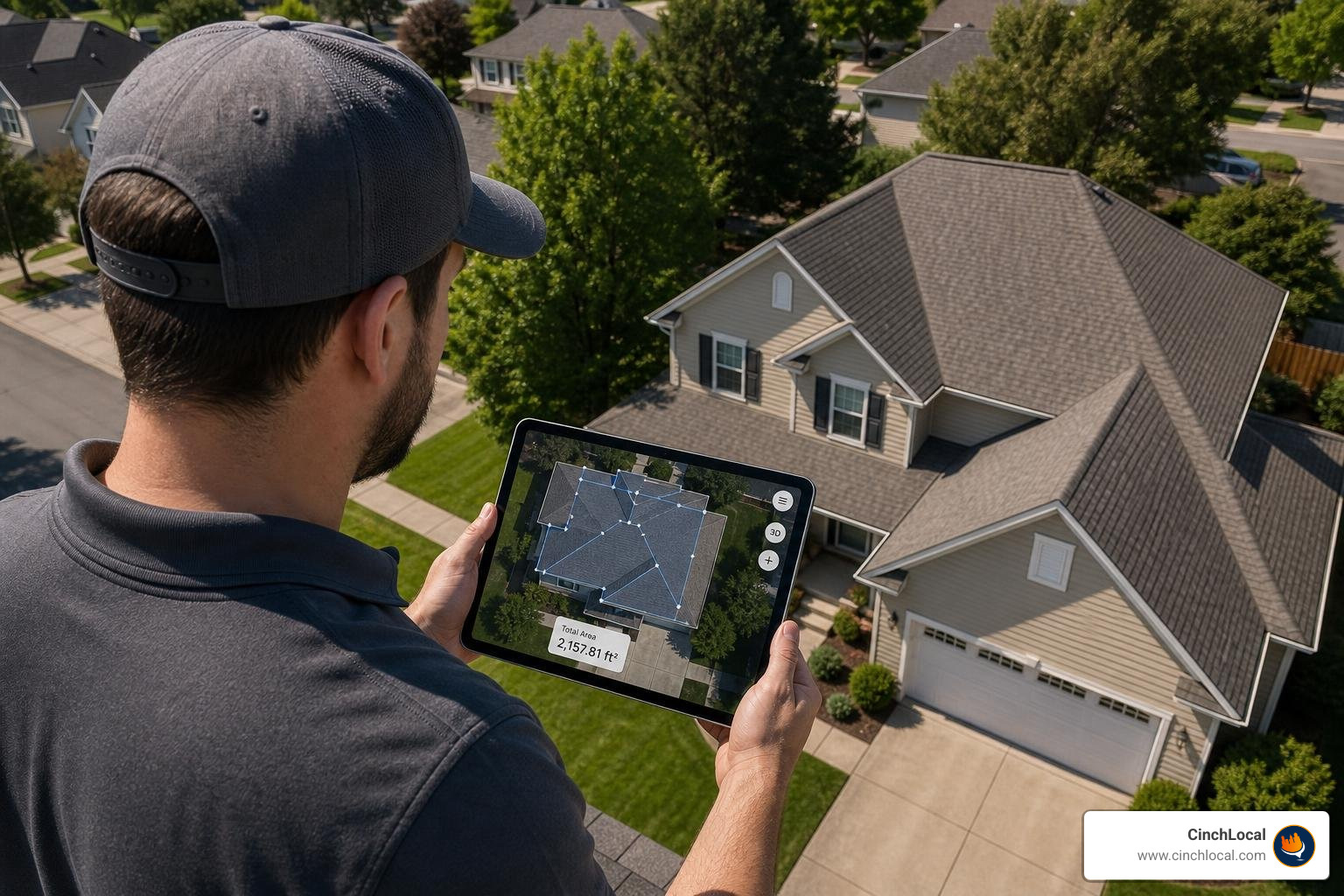
For a roofing contractor, manufacturer websites are more than just catalogs; they are essential business tools. Leaders like GAF Roofing and IKO Global have built massive digital infrastructures that allow contractors to register warranties, access QuickMeasure reports, and complete training modules. These sites highlight the importance of "vertical integration"—where manufacturers control everything from asphalt oxidation to limestone crushing to ensure quality.
When you look at roofing websites done right: Examples from industry leaders, you'll notice they often integrate manufacturer data directly. This includes:
- Impact Resistance Ratings : Showcasing UL 2218 Class 4 products for hail-prone regions in places like Tennessee or Ohio.
- Solar Integration : Highlighting innovative systems like Timberline Solar that blend energy production with traditional shingles.
- Warranty Verification : Giving homeowners peace of mind by showing exactly what a manufacturer-backed warranty covers.
Utilizing these portals effectively allows you to provide "non-commodity" content. Instead of generic advice, you can offer specific technical specifications and installation guides that prove your expertise. This level of detail is what converts a casual browser into a high-value lead.
Optimizing Roofing Industry Websites for Maximum Lead Generation
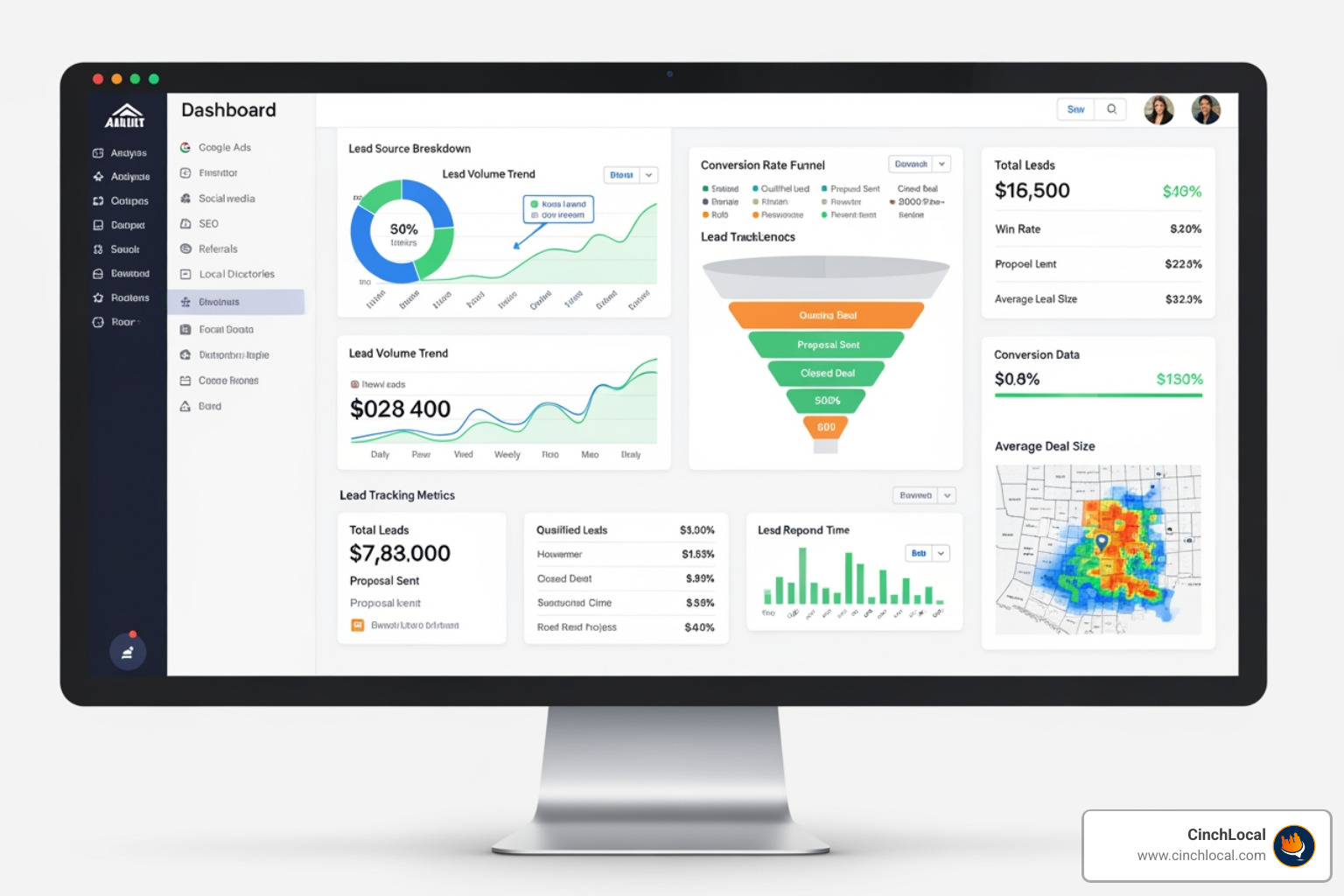
A professional website is your 24/7 salesperson. However, simply having a site isn't enough; it must be optimized for conversion. At CinchLocal, we focus on roofing websites that prioritize user experience (UX) and clear trust signals. This means your phone number should be clickable in the header, and your "Request a Quote" button should be impossible to miss.
One of the most effective ways to build trust is through a robust project gallery. Instead of using stock images, use high-resolution photos of your actual crews working on roofs in your local service area. Detailed case studies—showing the "before," "during," and "after" of a complex commercial job—provide the social proof necessary to close large contracts. For a deeper dive into the aesthetics and functionality required, check out the ultimate guide to roofing website design for contractors.
Leveraging AEO on Roofing Industry Websites
The search landscape in 2026 has evolved beyond traditional keywords. We are now in the era of Answer Engine Optimization (AEO). AI platforms like ChatGPT, Perplexity, and Gemini are now the first stop for many homeowners. To appear in these AI-generated answers, your website needs structured data and factual, citation-worthy content.
AI engines prefer confident, authoritative statements. Instead of saying "We might be the best roofer in Nashville," your site should state, "We provide GAF-certified roofing installations with a 25-year workmanship warranty in the Nashville metro area." By providing direct answers to common questions—like "How much does a TPO roof cost in Georgia?"—you increase the likelihood of being the "source" the AI cites to the user.
Local SEO Strategies for Roofing Industry Websites
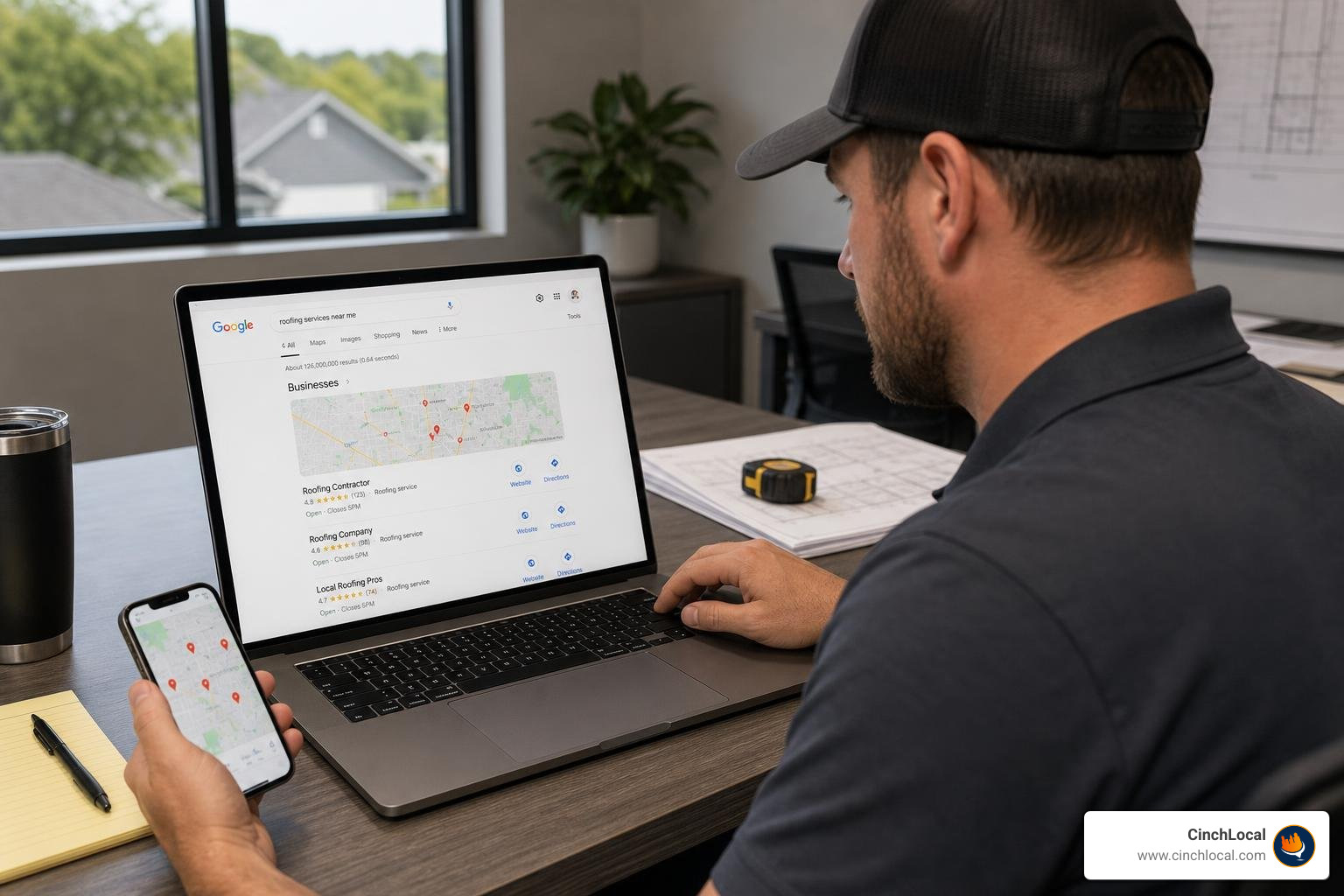
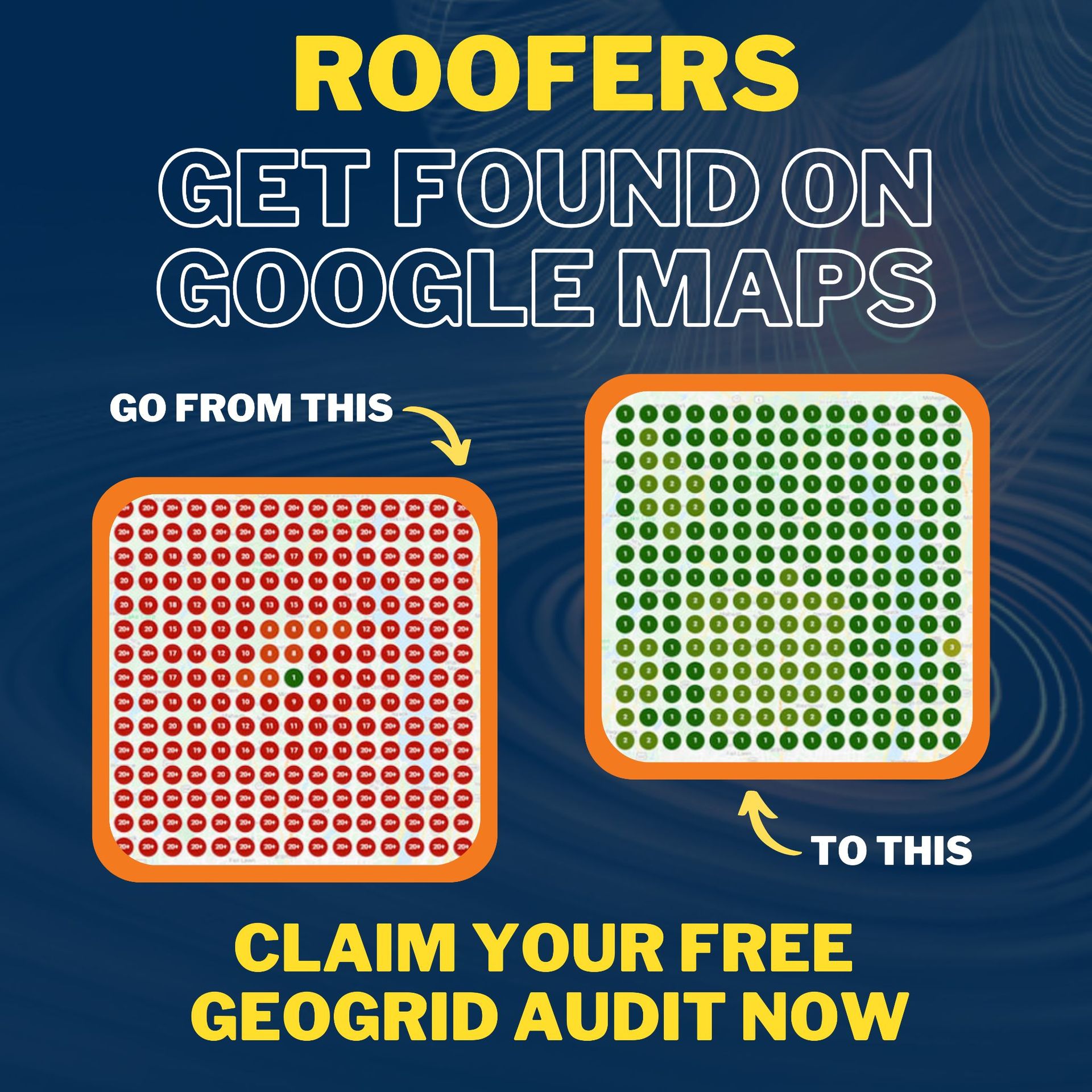
For roofers, the "Local Pack" (the map section of Google) is where the money is made. To dominate this space, you need more than just a Google Business Profile; you need a website that reinforces your local authority. We have seen proven roofing marketing results come from a combination of high review velocity and geotagged project photos.
Key local SEO tactics include:
- Service-Specific Pages : Create individual pages for "Emergency Roof Repair," "Commercial Roof Coating," and "Residential Shingle Replacement."
- Review Velocity : It’s not just about the total number of reviews, but how consistently you receive them.
- Proximity Optimization : Using tools like our Roofer Footprint Expansion System to ensure you appear in searches even when the customer isn't standing right next to your office.
If you're looking to dominate your local market, our Google Maps local SEO for roofers service is designed to put you at the top of the map pack within 30 days.
Frequently Asked Questions about Roofing Industry Websites
What are the most important features of a professional roofing website?
A high-performing roofing website must have mobile responsiveness, fast loading speeds (under 2.5 seconds), and clear calls to action. Essential sections include a detailed service list, an "About Us" page that showcases your actual team and equipment, a gallery of recent local projects, and visible trust signals like NRCA or ARMA memberships and GAF/IKO certifications.
How often should a roofing contractor update their industry website?
Your website should be a living document. While the core design might last 2-3 years, you should add new project photos and customer reviews weekly. Blog content or news updates regarding local storm events or new manufacturer products should be posted at least once a month to show Google and AI engines that your business is active and relevant.
How do roofing associations help contractors through their websites?
Associations like the NRCA provide "website justifications"—technical data and safety standards that you can reference to prove your professionalism. They also offer member directories that provide valuable backlink opportunities, improving your SEO. Their websites are primary sources for training (like CERTA) and legal/advocacy updates that protect your business interests.
Conclusion

In 2026, your digital presence is not an "extra"—it is the foundation of your brand authority. Roofing industry websites serve as the central hub for your marketing, sales, and recruitment efforts. By staying connected to industry news, adhering to association standards, and leveraging manufacturer resources, you position your company as a leader rather than just another contractor.
Strategic growth requires moving beyond basic templates and stock photos. It requires a website that is optimized for both human users and AI search engines, backed by a robust local SEO strategy. At CinchLocal, we specialize in future-proofing your online presence so you can focus on what you do best: building quality roofs.
Ready to take your roofing business to the next level? Contact CinchLocal today for a consultation and see how our Roofer Footprint Expansion System can guarantee you more visibility and pre-sold leads.
Want Us to Uncover Hidden 'Footprint Gaps' And Critical Blind Spots That’s Quietly Draining Calls, Jobs, and Profits?
Simply Fill Out The Form Below:
What If You Could Stop Wasting $30K+ a Year on Dead-End Marketing - And Finally Become the Go-To Roofer in Your City?
Other Helpful Articles You Might Enjoy