

Cary Byrd // Founder of CinchLocal
Why Commercial Roofing Marketing Requires a Completely Different Playbook
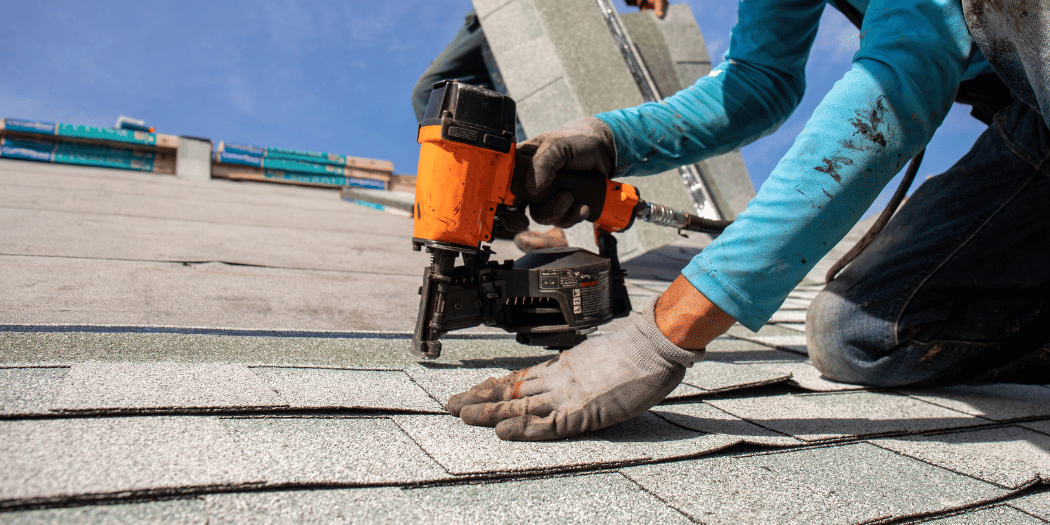
Commercial roofing marketing is a specialized B2B lead generation strategy designed to build trust with corporate decision-makers, shorten multi-month sales cycles, and secure high-value asset-management contracts. If you're a roofing contractor looking to land bigger jobs with better margins, this guide covers everything you need.
Quick answer — what does effective commercial roofing marketing involve?
- Target the right buyers: Property managers, facility directors, building owners, and real estate asset managers — not homeowners
- Use the right channels: Search engine optimization, Google Ads, LinkedIn outreach, direct mail, and content marketing
- Build trust first: Professional roof assessments, case studies, certifications, and detailed proposals
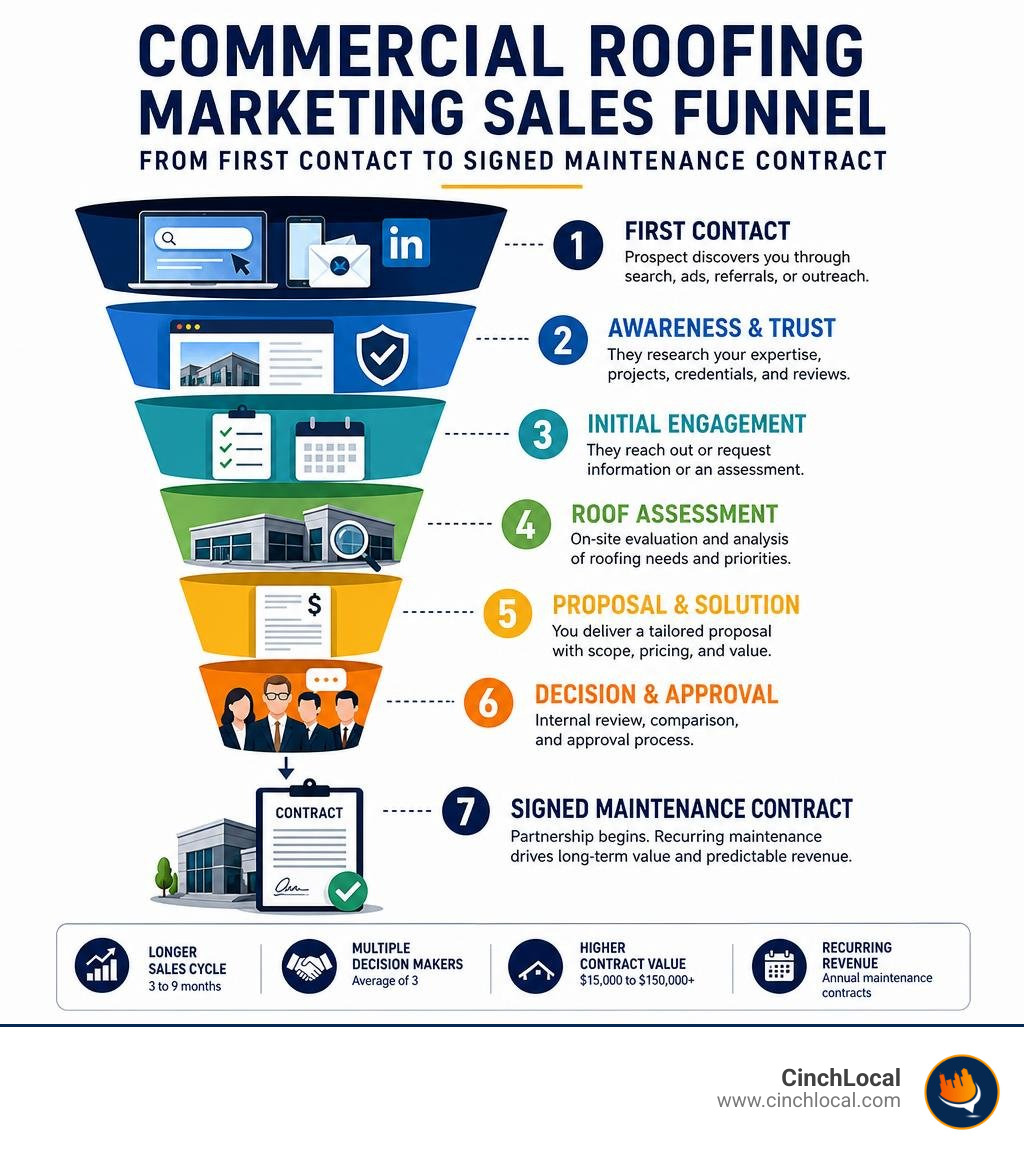
- Nurture long sales cycles: Commercial deals take 3–9 months; automated follow-up systems are essential
- Secure recurring revenue: Maintenance contracts turn one-time jobs into predictable annual income
Commercial roofing contracts regularly run from $15,000 to well over $150,000 per job. A single relationship with a property management company can yield 15 to 40 buildings, each generating $8,000 or more per year in maintenance revenue alone.
That is a fundamentally different business model than residential roofing.
Yet most roofing contractors market both services the same way — and wonder why their commercial pipeline stays empty.
The core problem is this: residential buyers search Google when their roof is leaking. Commercial buyers evaluate contractors over weeks or months, collect multiple bids, and base their decisions on documented experience, credentials, and long-term asset value. The tactics that win residential jobs — Google Map Pack visibility, fast response times, five-star reviews — are necessary but not sufficient for commercial work.
According to industry data, search engines are the top marketing channel for commercial roofers at 23%, compared to word-of-mouth, which dominates residential at 34%. That shift signals a more research-driven buyer who needs to be reached, educated, and nurtured very differently.
Working with a professional roofing marketing agency that understands this distinction is often what separates contractors winning six-figure commercial contracts from those stuck quoting jobs that never close.
I'm Cary Byrd, founder of CinchLocal, and I've spent years helping roofing contractors build marketing systems that generate consistent, high-quality leads — including developing the targeted digital strategies that form the backbone of effective commercial roofing marketing . Everything in this guide is drawn from real-world contractor results, not theory.
Commercial vs. Residential: Why Commercial Roofing Marketing is a Different Beast
To build a highly profitable commercial roofing division in 2026, we have to throw out the residential marketing playbook.
"While residential roofing sales typically close within 24 to 72 hours, commercial roofing sales cycles average 3 to 9 months and require approval from an average of three corporate decision-makers."
Residential roofing is emotional, urgent, and highly transactional. A homeowner experiences a leak or storm damage, conducts a quick online search, reads a few reviews, and signs a contract within days.
In contrast, commercial roofing is an analytical, budget-driven B2B transaction. The person signing the contract is rarely the person paying the bill out of their own pocket. Instead, they are managing corporate budgets, protecting commercial assets, and mitigating liability. A single bad decision can cost their company millions in ruined inventory, production downtime, and potential lawsuits.
To help visualize these differences, we have mapped out the core metrics in the comparison table below:
| Metric | Residential Roofing | Commercial Roofing |
|---|---|---|
| Average Contract Value (ACV) | $8,000 - $25,000 | $15,000 - $150,000+ |
| Primary Decision-Makers | Homeowners, Spouses | Property Managers, Facility Directors, CFOs |
| Sales Cycle Length | 24 - 72 Hours | 3 - 9 Months |
| Key Marketing Channels | Local SEO, Door-to-Door, Facebook | Search Engines, LinkedIn, Direct Mail, RFPs |
| Primary Buying Motive | Convenience, Protection, Urgency | ROI, Risk Mitigation, Operational Expenditures |
Because of these high stakes, commercial buyers do not rely on impulse decisions. They require rigorous documentation, manufacturer certifications, and safety compliance records. Organizations like the National Roofing Contractors Association (NRCA) set high industry standards that commercial buyers expect their chosen contractors to meet.
If your marketing materials look like they were designed for a suburban homeowner, you will immediately lose credibility with commercial asset managers.
How to Identify and Reach Commercial Roofing Decision-Makers
Winning commercial contracts requires knowing exactly who holds the checkbook. We cannot afford to waste marketing dollars on broad outreach. Instead, we must target specific buyer personas:
- Property Managers: They manage multi-family complexes, retail strips, and office parks. They are highly sensitive to tenant complaints and look for contractors who can perform repairs without disrupting business operations.
- Facility Directors: They oversee warehouses, industrial manufacturing plants, and corporate campuses. Their primary focus is operational continuity, safety compliance, and energy efficiency.
- Real Estate Asset Managers: They focus entirely on the financial performance of a property portfolio. They want to know how a new roof or restoration system will impact the property's overall valuation and operational expenditure (OpEx).
"The primary decision-maker for commercial roof replacements is the asset manager or property director, whose purchasing decisions are driven by long-term operational expenditure (OpEx) reduction rather than immediate cost."
To reach these professionals, we must align our messaging with their corporate goals. They do not care about "family-owned" taglines; they care about warranties, preventative maintenance, and minimizing liability.
Industry groups like BOMA International provide excellent opportunities to network directly with these decision-makers. However, combining offline networking with a highly targeted digital presence is the fastest way to get on their preferred bidder lists.

Leveraging LinkedIn for Commercial Roofing Marketing
"LinkedIn accounts for 80% of B2B social media leads, making it the most cost-effective platform for direct outreach to commercial facility managers."
For commercial roofing founders, LinkedIn is not a place to post job openings; it is a highly active prospecting tool. With four out of five LinkedIn members driving business decisions, we can systematically identify and connect with regional property managers in our target territories.
To turn LinkedIn into a lead generation engine:
- Optimize Your Profile: Rewrite your headline to focus on solutions. Instead of "President at ABC Roofing," use "Helping Commercial Property Managers Reduce OpEx and Prevent Costly Leaks with Advanced Roof Restoration Systems."
- Build a "Dream 100" List: Use Sales Navigator to filter by job title (e.g., "Property Manager," "Facilities Director") and location (focusing on your key service areas like California, Ohio, Georgia, or Tennessee).
- Execute Warm Outreach: Do not lead with a sales pitch. Connect by sharing valuable, localized industry insights, such as a quick tip sheet on preparing commercial flat roofs for seasonal storms.
- Integrate with Multi-Channel Systems: Combine your social outreach with tailored direct mail and mastering roofing lead generation strategies.
By leveraging tools like LinkedIn Business Solutions, we can build a predictable pipeline of warm B2B relationships before they even have an active roofing emergency.
Dominating Search Engines: SEO and Google Maps for Commercial Roofing Marketing
While outbound prospecting builds relationships, search engine optimization (SEO) captures high-intent buyers at the exact moment they need assistance.
"Over 70% of commercial facility managers use search engines to vet local roofing contractors before inviting them to submit a Request for Proposal (RFP)."
When a warehouse roof starts leaking in California or Tennessee, the facility director does not browse LinkedIn. They open Google. Because nearly 40% of searchers choose the first business they view as trustworthy, having a dominant presence in organic search results and the Google 3-Pack is critical.
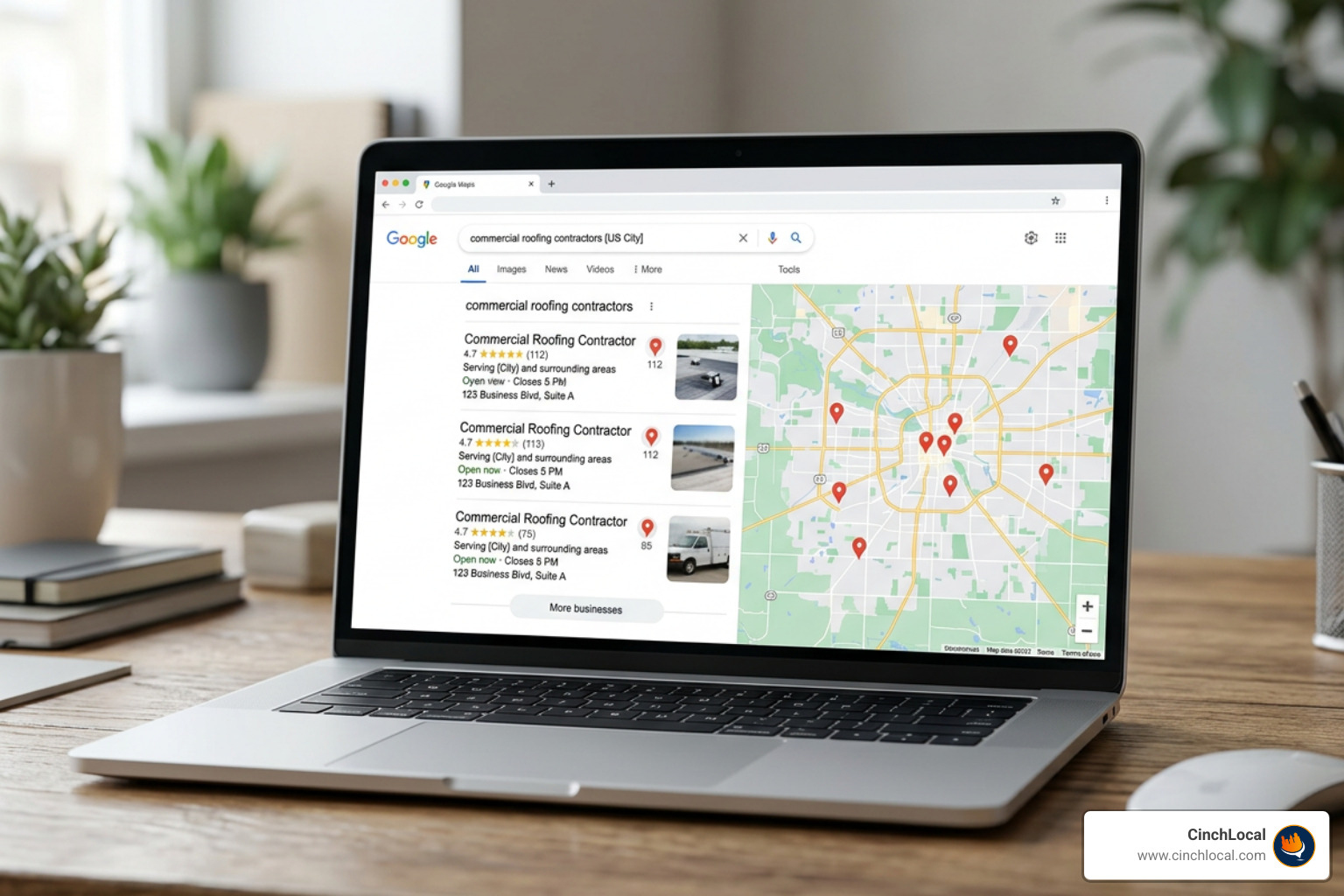
To capture these high-value inbound leads, your business must rank where the eyes are. By utilizing Google Maps local SEO for roofers, we ensure your company appears at the top of local map queries. Proving your capabilities is also key; displaying proven local SEO results on your website instantly builds trust with skeptical corporate buyers who research your brand online.
For a deeper look at how a structured search strategy translates into multi-million dollar commercial opportunities, read our comprehensive commercial roofing SEO case study.
Optimizing Your Website for Commercial Roofing Marketing Keywords
"Optimizing for commercial-specific long-tail keywords yields a 4x higher lead-to-opportunity conversion rate compared to broad roofing search terms."
To attract property managers rather than homeowners, we must optimize our websites for highly technical, commercial-specific keywords. Broad terms like "roof repair" or "roofing company" attract residential traffic and drain your administrative resources.
Instead, build dedicated service pages around high-intent, technical terms, such as:
- Commercial flat roof replacement
- TPO roof restoration systems
- EPDM membrane repair
- Commercial silicone roof coatings
- Industrial roof preventative maintenance
For example, a localized site like Knoxville Commercial Roofing targets highly specific regional search intent, which allows them to capture local market share with minimal waste.
When property managers search for these specialized services, your website must act as an educational resource. By implementing structured roofer SEO strategies, we can position our brand as the ultimate technical authority in our market.
Google Ads and PPC Strategy: Maximizing ROI on Commercial Keywords
If you need leads immediately and cannot wait for organic SEO to mature, Pay-Per-Click (PPC) advertising on Google is your fastest path to success.
"Commercial roofing Google Ads campaigns require a dedicated negative keyword list of at least 500 residential-related terms to prevent budget waste on low-value clicks."
Google Ads for commercial roofing are incredibly lucrative because the cost-per-click (CPC) is highly favorable compared to the residential market. While residential CPCs frequently spike to $45–$90 due to thousands of local contractors bidding on "roof replacement," commercial roofing CPCs typically run between $15 and $35.
However, running a successful commercial campaign requires absolute precision. To avoid paying for residential clicks:
- Build an Extensive Negative Keyword List: Block terms like home, residential, house, shingle, garage, attic, and DIY.
- Use Commercial-Only Landing Pages: Never send paid traffic to your homepage. Send them to a dedicated, high-converting landing page designed specifically for commercial decision-makers.
- Highlight Commercial Trust Signals: Feature your safety ratings, manufacturer certifications, and a clear call-to-action for a commercial roof assessment.
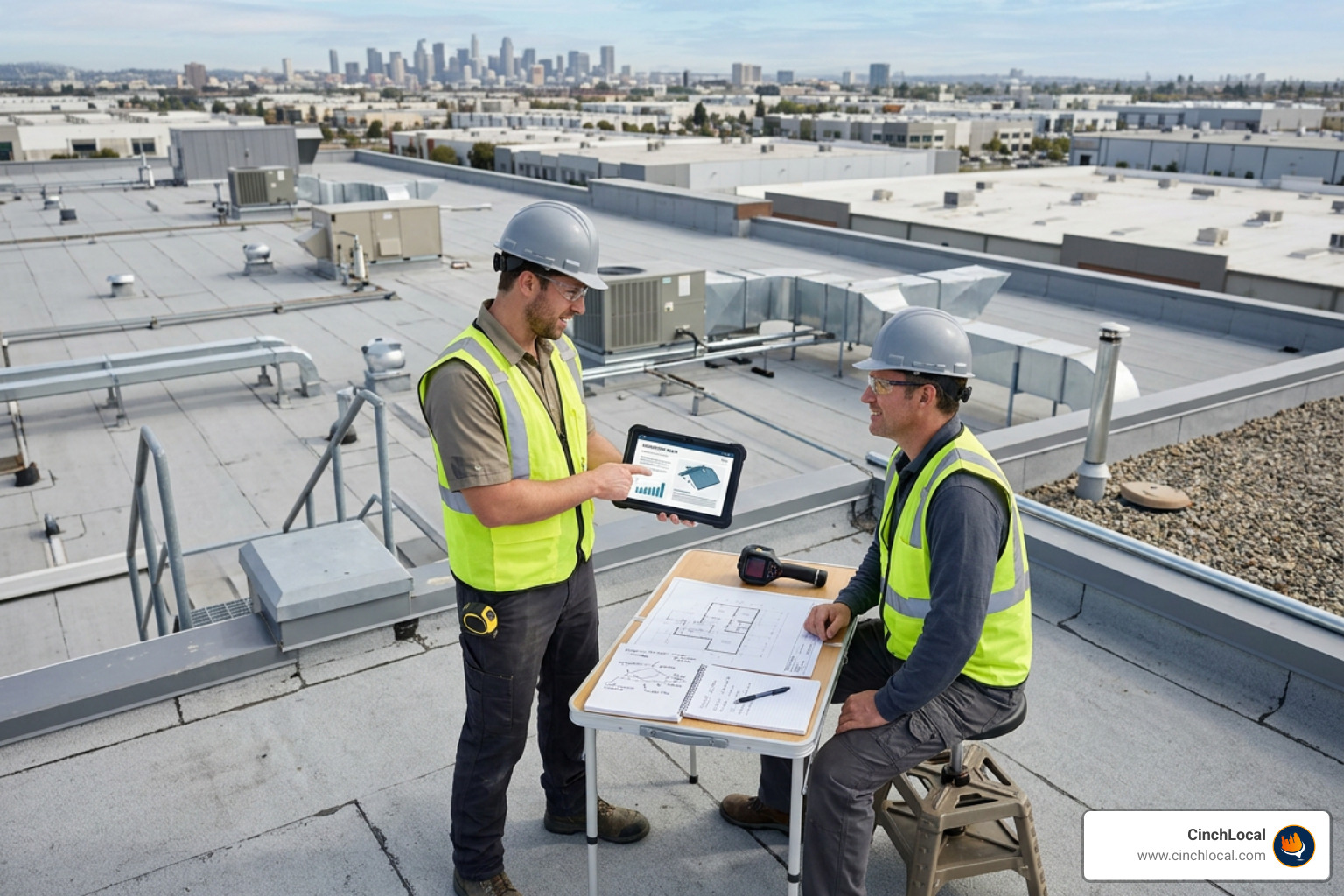
By mastering online advertising for roofers, we can target commercial property owners based on specific high-intent search behavior, ensuring every dollar spent on PPC drives maximum return.
Need commercial roofing leads now? Don't waste your budget on residential clicks. Schedule a free PPC consultation with CinchLocal to set up a high-performing Google Ads campaign tailored for commercial contracts.
Building Long-Term Relationships and Recurring Revenue
The ultimate goal of commercial roofing marketing is not just landing one-off roof replacements; it is securing predictable, recurring revenue.
"Implementing a structured commercial roof maintenance program increases a contractor's customer lifetime value (LTV) by an average of 300% over a ten-year period."
Commercial flat roofs require annual or bi-annual inspections and preventative maintenance to protect their warranties. By selling preventative maintenance contracts, we turn a single transaction into an ongoing relationship.
A single property management company managing 20 buildings can easily generate $160,000 or more per year in recurring maintenance fees. More importantly, when those roofs eventually need full replacements, who do you think they will call? The contractor who has been maintaining the roof for the last five years.
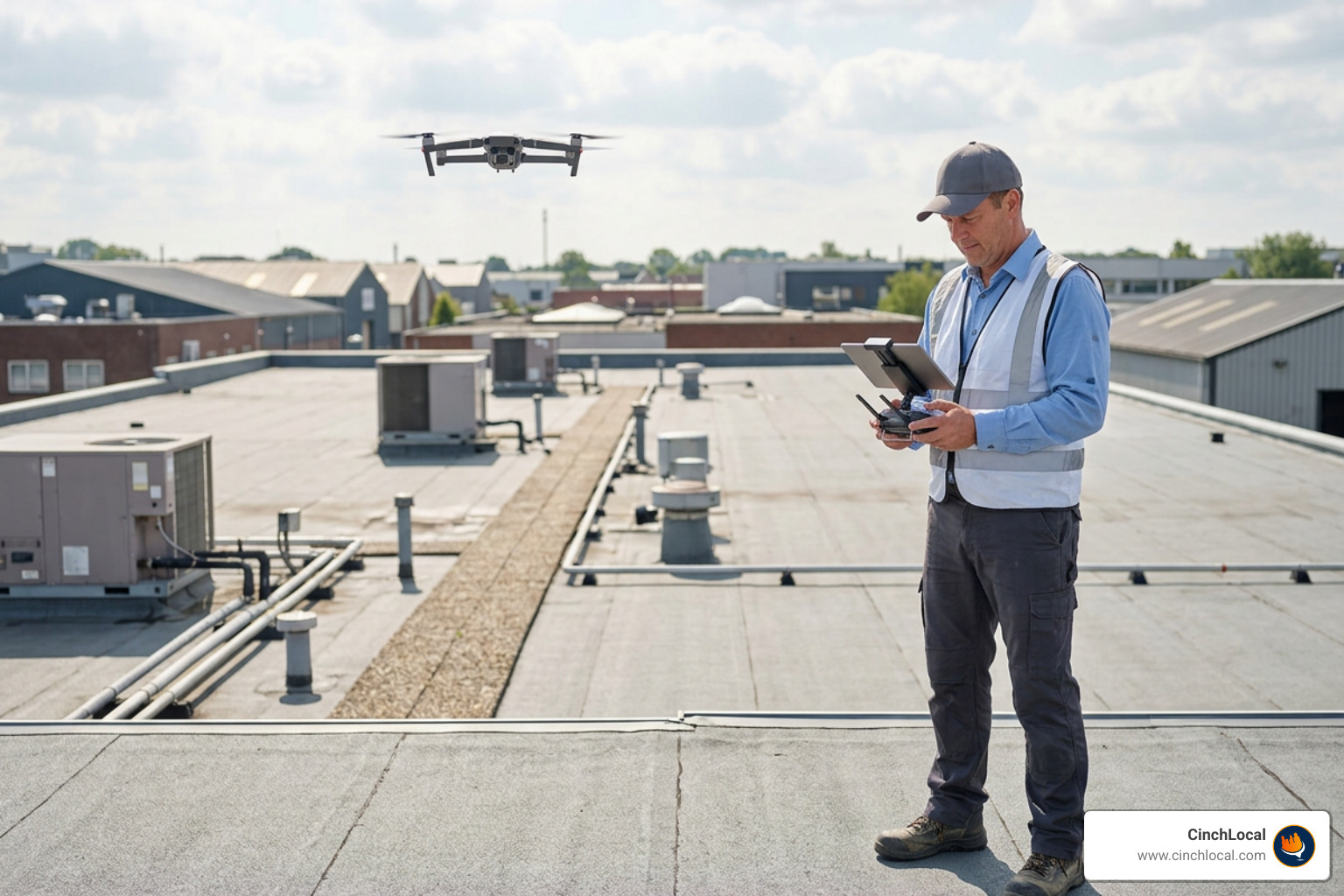
To market these maintenance programs effectively, we use advanced technology like drone thermography, which detects hidden moisture beneath the roof membrane before it causes structural damage.
Additionally, we can educate our clients on tax incentives. For instance, the official IRS Section 179D Energy Efficient Commercial Buildings Deduction allows building owners to deduct the cost of energy-efficient commercial roof upgrades. Positioning ourselves as advisors who help clients save money through tax deductions is an incredibly powerful way to build trust.
To scale these relationship-building efforts, contractors should implement multi-channel roofing marketing strategies that keep their brand top-of-mind throughout the long commercial sales cycle.
Crafting Winning Proposals to Secure Commercial Contracts
"Commercial roofing proposals that include a multi-year asset management plan and clear ROI projections convert at a 45% higher rate than simple cost estimates."
When bidding on commercial projects, a simple one-page estimate with a lump-sum price will quickly land your bid in the trash. Commercial buyers require comprehensive, structured proposals.
To maximize your win rate, every proposal should include these seven essential sections:
- Executive Summary: A high-level overview of the property's current condition and the business impact of the proposed work.
- Detailed Scope of Work: A step-by-step breakdown of the exact services, materials, and processes to be used.
- Technical Material Specifications: Clear documentation of the roofing systems (e.g., TPO, EPDM, PVC) and why they were selected.
- Project Timeline & Operational Disruption Plan: A clear schedule showing how you will minimize noise, safety hazards, and tenant disruption during construction.
- Manufacturer Certifications & Warranties: Proof that you are authorized to install the system and issue long-term warranties.
- Safety & Compliance Documentation: Detailed safety plans, OSHA compliance records, and proof of comprehensive insurance coverage.
- References & Commercial Case Studies: Real-world examples of similar projects you have successfully completed.
Understanding the math behind your bids and lead costs is critical to pricing these proposals profitably. For a detailed breakdown of lead acquisition costs, review our guide on roofing leads prices.
Want to turn one-off bids into long-term commercial accounts? Partner with CinchLocal today to build a multi-channel marketing system that positions your roofing business as the premier commercial authority in your market.
Frequently Asked Questions about Commercial Roofing Marketing
What is the average CPC for commercial roofing Google Ads?
The average Cost-Per-Click (CPC) for commercial roofing keywords ranges from $15 to $35, which is significantly lower than residential roofing keywords that frequently spike to $45 to $90 due to intense local competition.
Because commercial search volume is lower, the competition is less crowded. This allows contractors to capture highly targeted, high-value clicks at a fraction of the cost of residential leads. However, to maintain this high ROI, you must use negative keywords to filter out residential "tire-kickers."
How do you convert property managers into long-term clients?
You convert property managers into long-term clients by offering free, highly detailed roof assessments accompanied by professional digital reports, transitioning them immediately into low-cost preventative maintenance contracts.
Property managers are busy. They do not want to be sold; they want their problems solved. By delivering a professional written report featuring drone imagery, core sample results, and a clear 3-to-5-year budget forecast, you position yourself as a trusted advisor rather than a pushy salesperson.
Can a residential roofing company transition to commercial work?
Yes, a residential roofing company can transition to commercial work by first targeting small-scale commercial properties (like strip malls or churches), securing manufacturer certifications, and building a dedicated commercial portfolio.
The transition requires a shift in operations, safety compliance, and cash flow management. Start small by targeting non-general-contractor projects where you can negotiate directly with the owner. Once you build a portfolio of 5 to 10 smaller commercial projects, you can leverage that experience to bid on larger industrial and corporate assets.
Conclusion
Building a dominant commercial roofing division in 2026 requires a strategic, multi-channel approach. From optimizing your local search presence to running hyper-targeted LinkedIn campaigns and structuring high-converting proposals, every touchpoint must project absolute professionalism and B2B expertise.
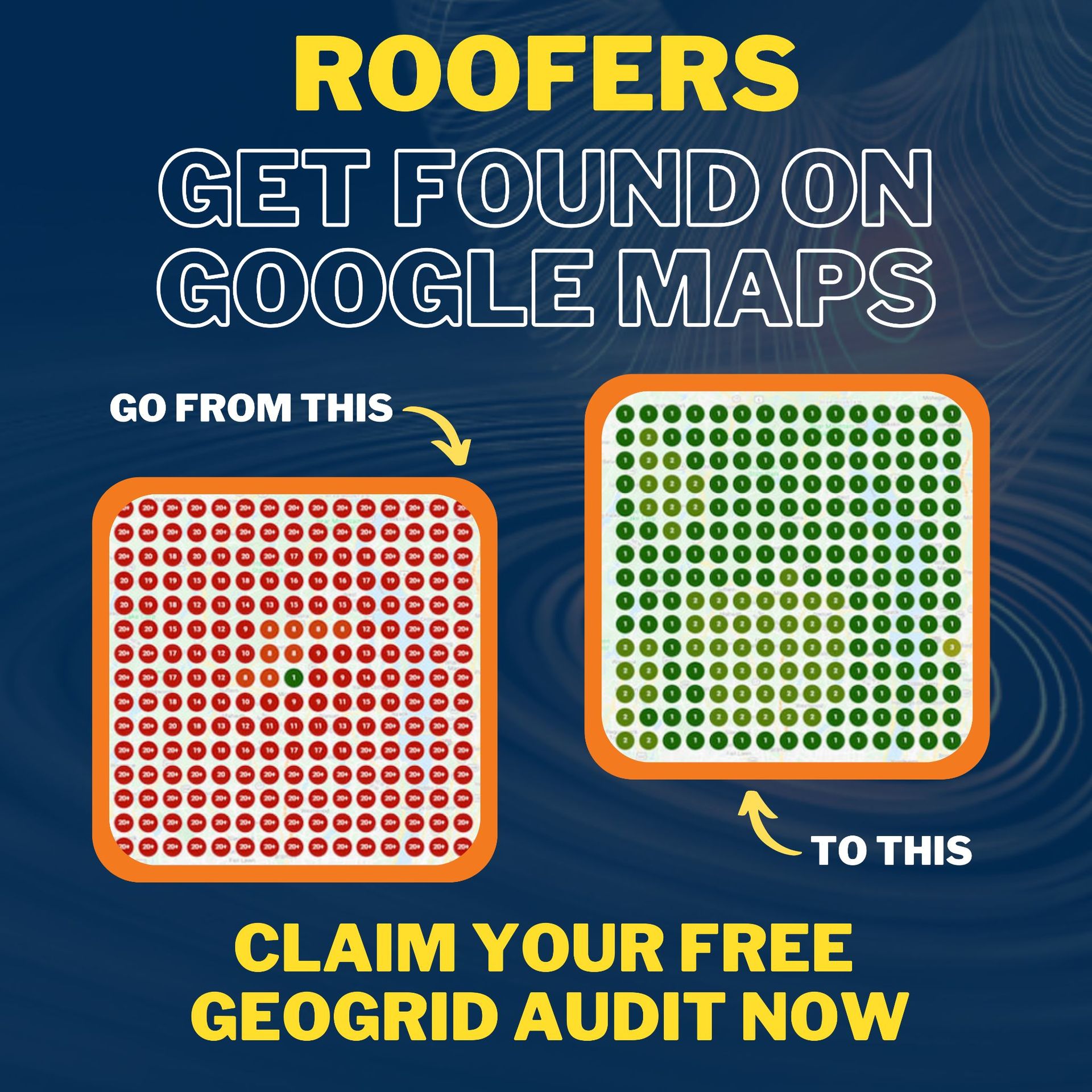
At CinchLocal, we specialize in helping roofing contractors skip the guesswork and scale their commercial pipelines. Our proprietary Roofer Footprint Expansion System is designed to systematically increase your Google Maps visibility and deliver pre-sold commercial leads directly to your business.
We have established a strong presence across key commercial hubs, offering specialized local expertise for contractors seeking roofing marketing in California as well as tailored growth strategies in Ohio, Georgia, and Tennessee.
If you are ready to stop chasing low-margin residential leads and start closing high-value commercial contracts, we are here to help. Explore our proven commercial roofing marketing strategies to see how we build predictable growth engines for contractors.
Ready to dominate your market? Book a free strategy session with CinchLocal today and let us help you claim your territory before your competitors do.
Want Us to Uncover Hidden 'Footprint Gaps' And Critical Blind Spots That’s Quietly Draining Calls, Jobs, and Profits?
Simply Fill Out The Form Below:
What If You Could Stop Wasting $30K+ a Year on Dead-End Marketing - And Finally Become the Go-To Roofer in Your City?
Other Helpful Articles You Might Enjoy