


Cary Byrd // Founder of CinchLocal
Why Hiring the Right Living Roof System Experts Can Make or Break Your Next Commercial Project
Living roof system experts are specialized professionals who design, install, and maintain vegetated roofing assemblies — and choosing the right one is critical to delivering a project that performs for decades.
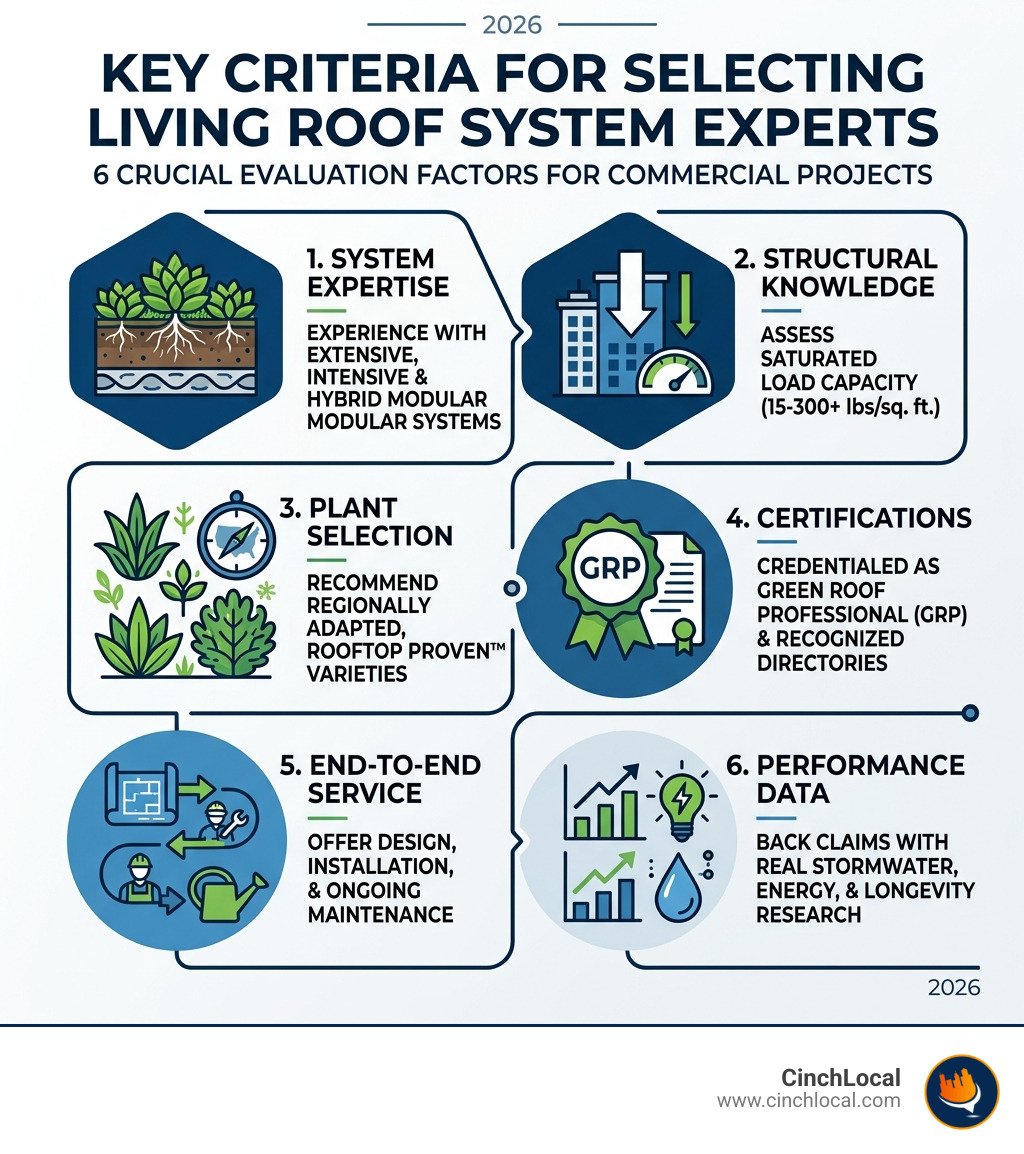
Here's a quick look at the top factors to evaluate when hiring a living roof specialist:
- System expertise — Do they work with extensive, intensive, or hybrid modular systems?
- Structural knowledge — Can they assess saturated load capacity (systems range from 15 to 300+ lbs per sq. ft.)?
- Plant selection — Do they recommend regionally adapted, RoofTop Proven™ plant varieties?
- Certifications — Are they listed in a recognized directory like the Green Pages and credentialed as a Green Roof Professional (GRP)?
- End-to-end service — Do they offer design, installation, and ongoing maintenance?
- Performance data — Can they back up claims with real stormwater, energy, or longevity research?
As of April 2026, sustainable roofing is no longer a niche add-on — it's a primary driver for high-margin commercial contracts. Property owners are demanding green infrastructure that delivers measurable ROI, from reduced energy costs to stormwater compliance. For roofing contractors looking to scale into this space, understanding how to identify and partner with the right professionals is now a competitive necessity.
Green roof technology has been in active practice for over 45 years. The industry has matured significantly, with systems ranging from lightweight extensive roofs planted with drought-resistant sedums to deep-media intensive roofs supporting trees, lawns, and full recreational spaces. The gap between a well-executed living roof and a costly failure almost always comes down to one thing: the expertise of the team behind it.
I'm Cary Byrd, founder of CinchLocal, and while my core expertise is helping roofing contractors dominate local search, I've worked closely with contractors who have expanded into green roofing — and I've seen how positioning yourself alongside credentialed living roof system experts opens doors to larger, higher-value commercial projects. In the sections below, I'll walk you through exactly what to look for so you can confidently align your business with the right partners and win more of these lucrative contracts.
Understanding Living Roof System Experts and Their Technologies
When we talk about living roof system experts , we are referring to professionals who understand that a roof is more than just a waterproof lid; it is a biological engine. In the United States—particularly in high-growth regions like Ohio, Tennessee, Georgia, and California—the choice of technology determines the long-term viability of the installation.
The foundation of any successful living roof is the waterproofing layer. Before a single plant is placed, the substrate must be infallible. Many experts advocate for multi-ply rubber roofing or monolithic membranes like the Hydrotech 6125, which provides a seamless, fluid-applied barrier. This is the "critical path" of the project; if the membrane fails, the entire ecosystem above it must be removed to fix the leak.
Defining Extensive vs. Intensive Systems
The industry generally categorizes living roofs into two main types based on media depth and intent:
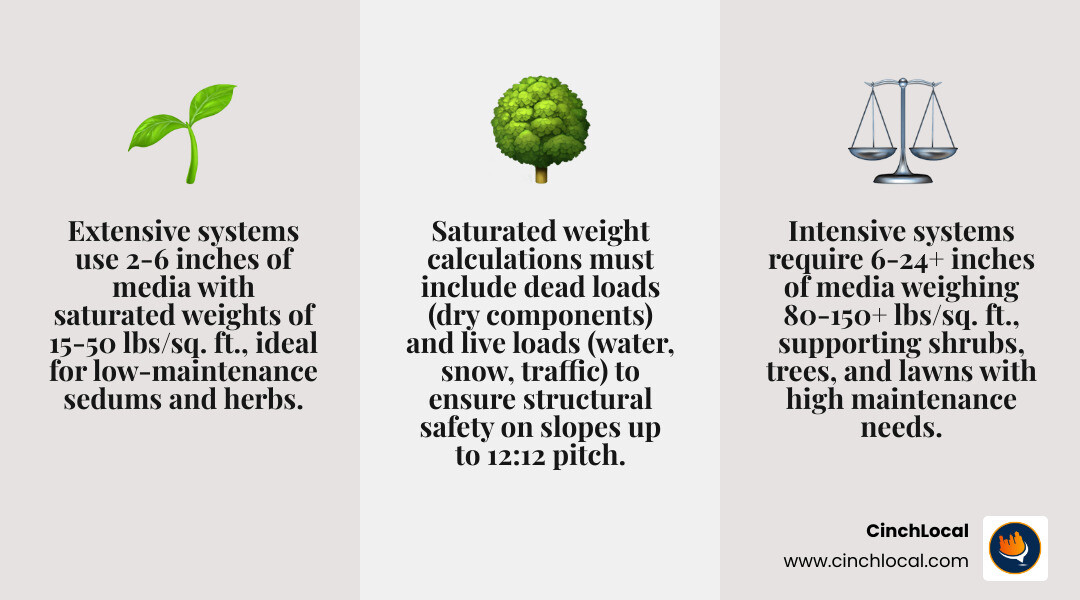
- Extensive Roofs: These are the "workhorses" of the industry. With a soil depth of 2 to 6 inches, they are lightweight and designed primarily for environmental benefits like stormwater management and insulation. They typically feature hardy, low-maintenance plants like sedums.
- Intensive Roofs: These are essentially "gardens in the sky." With media depths exceeding 6 inches (often up to several feet), these systems can support shrubs, trees, and even lawns. Because they allow for recreational use, they require much higher structural capacity and more frequent maintenance, similar to a traditional ground-level landscape.
The Innovation of Hybrid Modular Systems
One of the most significant breakthroughs in the last decade is the patented hybrid modular design. Traditional modular systems often suffered from "grid-line" aesthetics and soil compartmentalization, which restricted root growth. Modern living roof system experts often utilize hybrid systems, like those from LiveRoof, which combine the speed of modular installation with the seamless beauty of a built-in-place assembly.
These systems allow for "instant maturity" because the plants are grown to full coverage at a local nursery before being delivered to the job site. This eliminates the 2-3 year "grow-in" period and provides immediate aesthetic and functional results. Furthermore, look for systems with FM Approval, which ensures the entire assembly—from the deck to the vegetation—meets rigorous fire and wind uplift standards.
Critical Pre-Installation Factors for Roofing Contractors
Before you sign a contract for a vegetated roof, several technical hurdles must be cleared. We've seen projects stall because these "invisible" factors weren't addressed during the design phase.
Calculating Saturated Weight and Structural Load
This is the most common point of failure in the planning stage. You must account for the "saturated weight"—the weight of the entire system when the growing media is fully holding water.
- Dead Load: The weight of the dry components (modules, pavers, edging).
- Live Load: The weight of water, snow, and any foot traffic (especially for intensive systems).
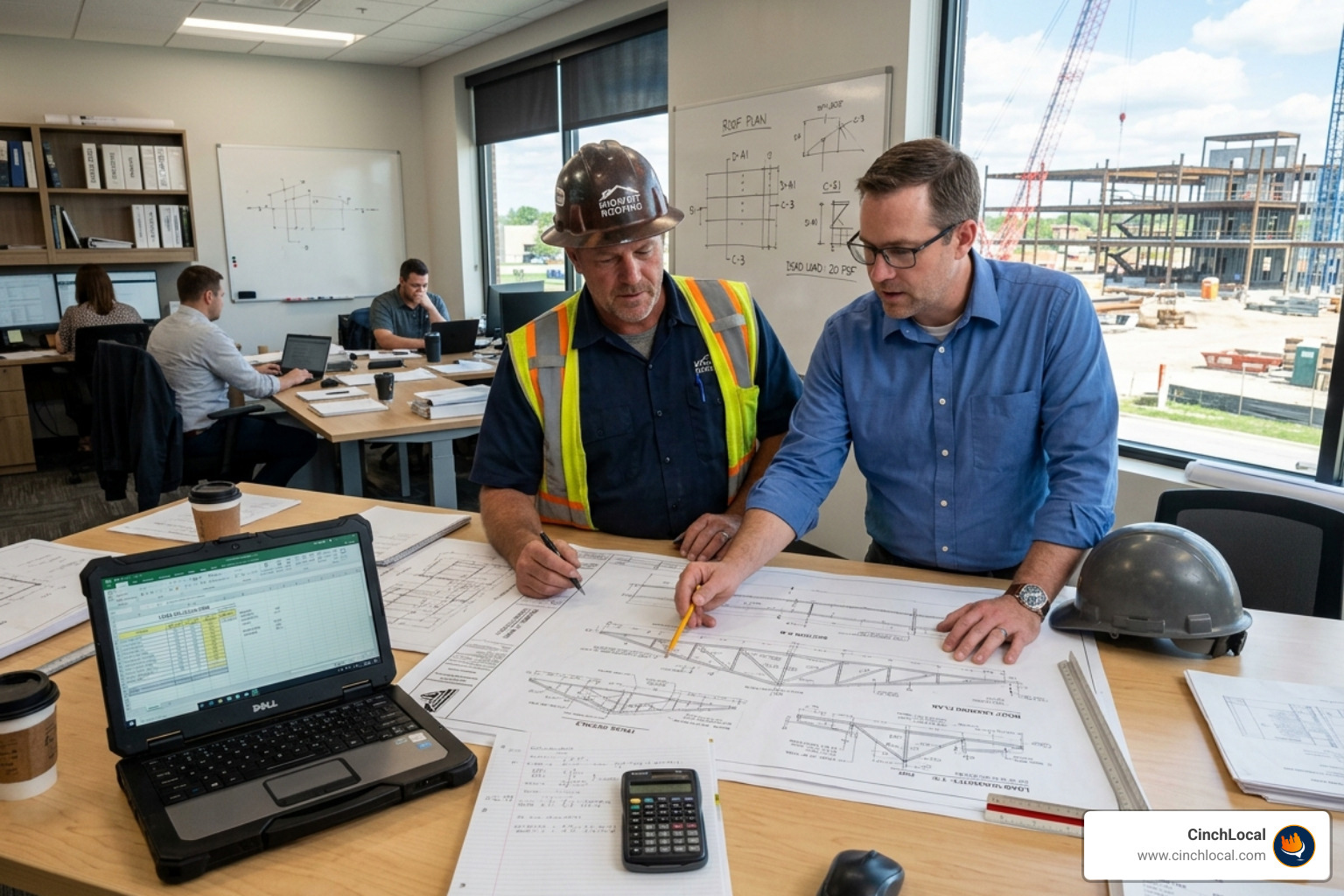
Weights can range from 15 lbs per square foot for ultra-light extensive mats to over 300 lbs for intensive park-like settings. Always consult a structural engineer to ensure the roof deck can handle these loads. In many cases, upgrading attic ventilation and structural supports is a necessary precursor to the green roof installation.
Managing Slope and Drainage Requirements
Living roofs aren't just for flat surfaces. Experts like Hydrotech have successfully installed vegetated systems on slopes ranging from a 3:12 pitch up to a steep 12:12 pitch. However, steeper slopes require specialized shear force protection and soil retention measures to prevent the "sliding" of the media.
| Feature | Extensive Systems | Intensive Systems |
|---|---|---|
| Media Depth | 2 - 6 Inches | 6 - 24+ Inches |
| Saturated Weight | 15 - 50 lbs/sq. ft. | 80 - 150+ lbs/sq. ft. |
| Plant Types | Sedums, Mosses, Herbs | Shrubs, Trees, Lawns |
| Maintenance | Low (Annual) | High (Weekly/Monthly) |
| Cost (Avg) | $10 - $25 per sq. ft. | $25 - $50+ per sq. ft. |
Selecting RoofTop Proven™ Plants and Growing Media
A living roof is only as good as the biology it supports. You cannot simply use "dirt" from the ground; you need engineered growing media.
The Science of Crassulacean Acid Metabolism (CAM) Plants
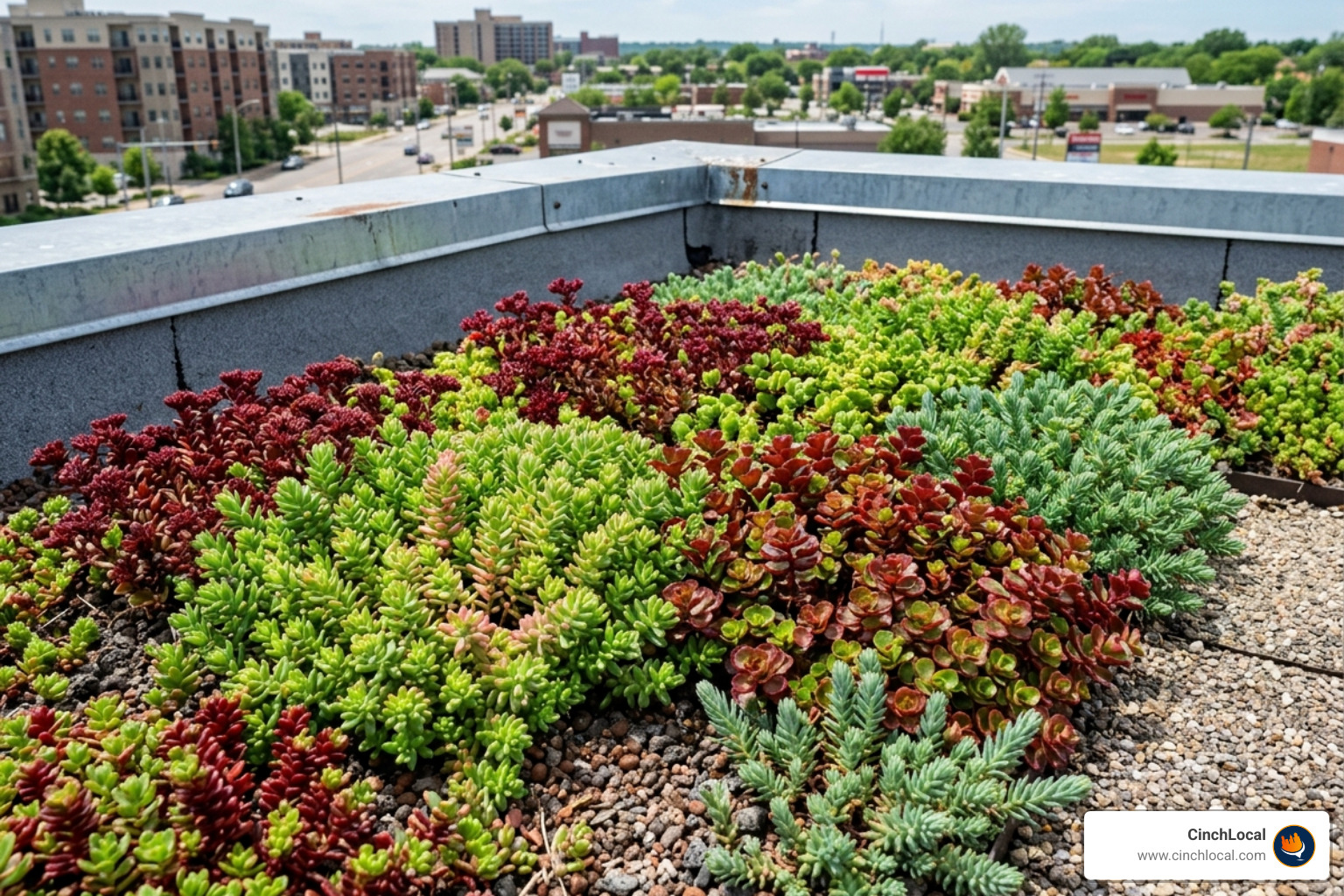
The most successful living roof system experts prioritize CAM plants. These unique species, primarily sedums and alliums, are up to ten times more efficient with water than standard plants. They keep their stomates (leaf pores) closed during the heat of the day to prevent evaporation and open them at night to exchange gases. This drought resistance is vital for survival on a baking-hot rooftop. If a storm rolls through and causes damage, knowing how to repair the roof after hail without killing these sensitive CAM populations is a specialized skill set.
Engineered Soil Composition for Longevity
Standard topsoil is too heavy and will compact over time, leading to drainage failure. Expert-grade engineered soil is typically composed of approximately 94% inorganic aggregates (like expanded shale or clay) by dry weight. This ensures the media stays porous, provides acid rain buffering, and contains disease-suppressive organic material. These mixes are often formulated regionally by local licensed growers to match the specific climate of areas like Georgia or Ohio.
How Living Roof System Experts Integrate Blue Roof Technology
In 2026, the "Blue-Green" roof is the gold standard for urban development. While green roofs retain water (soak it up), blue roofs detain water (slow down its release into city sewers).
Enhancing Stormwater Retention by 25%
Research, such as studies on the RoofBlue RETAIN system, shows that integrating detention layers beneath the vegetation can increase stormwater retention by over 25%. This is a massive selling point for commercial clients in cities with strict runoff mandates. Additionally, using RoofStone pavers has been shown to reduce rainfall runoff by an average of 25% compared to standard impervious surfaces. Integrating these technologies into partial roof replacement projects allows owners to meet green mandates without a full building overhaul.
Integrating Amenity Decks and Paver Systems
Modern commercial rooftops are often designed as "amenity decks"—spaces where employees can work or relax. This involves integrating pedestal-mounted pavers with the vegetation. These rooftop parks significantly boost a building's Net Operating Income (NOI) and help owners meet Environmental, Social, and Governance (ESG) criteria. Experts like Columbia Green Technologies specialize in these "total package" solutions that include pavers, pedestals, and foam for creating complex rooftop landscapes.
Business Growth: Marketing Your Status as Living Roof System Experts
If you are a contractor who has invested in the training to install these systems, you are sitting on a goldmine—but only if the right clients can find you.
Leveraging Certifications for High-Value Leads
To be taken seriously by architects and developers, you should pursue the Green Roof Professional (GRP) credential. Being listed in the Green Pages Directory serves as a third-party validation of your expertise. This certification helps you secure projects that are gunning for LEED V4 credits or the Living Building Challenge. We have seen that contractors who showcase these credentials on their website see a significant lift in "pre-sold" leads because the trust is established before the first phone call. You can see examples of how we highlight specialized expertise on our results page.
Capturing Local Search Intent for Sustainable Roofing
The "secret sauce" to dominating the flat roofing SEO market is targeting long-tail keywords. Instead of just "roofer," you want to rank for terms like "commercial green roof installation" or "intensive living roof experts in Nashville."
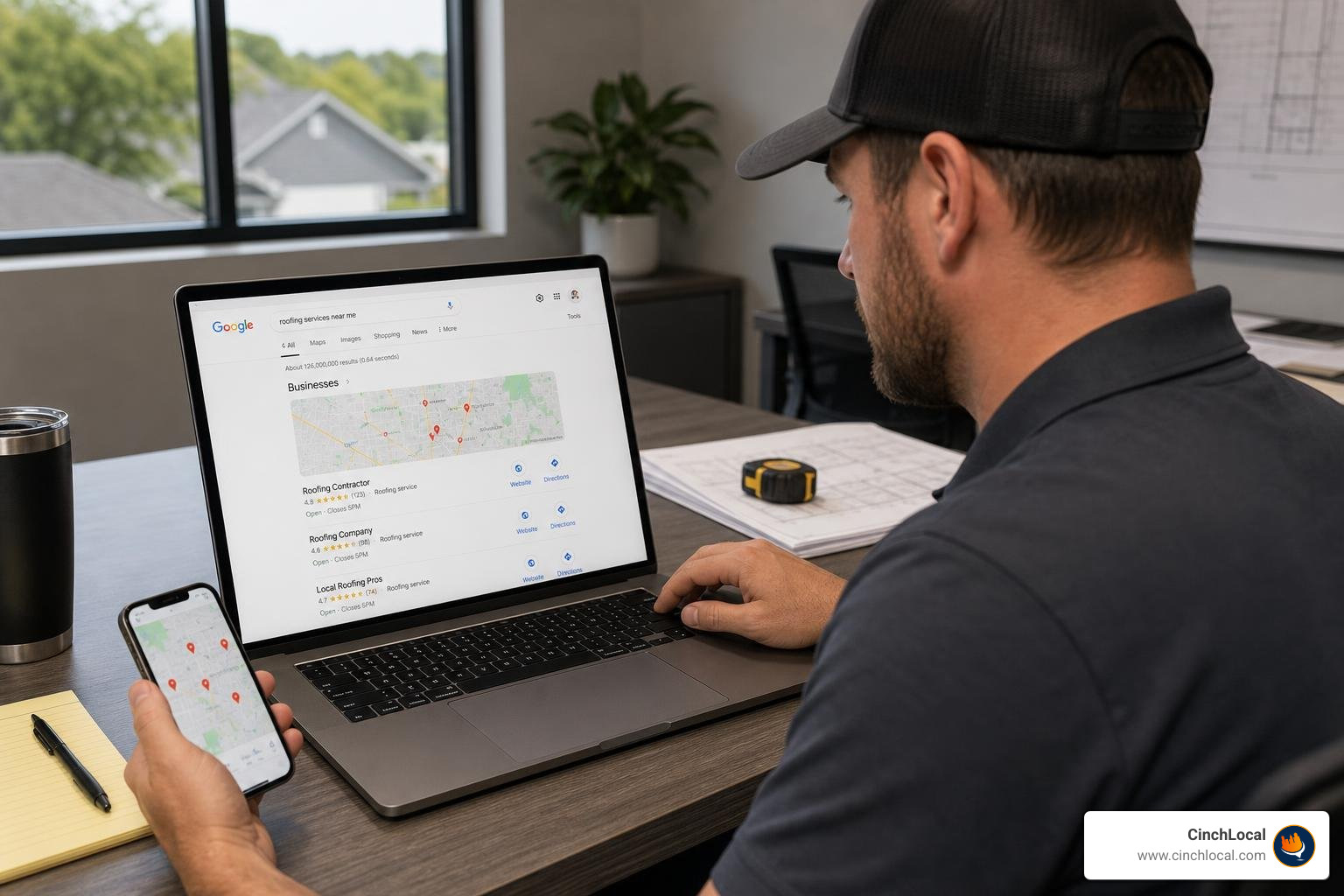
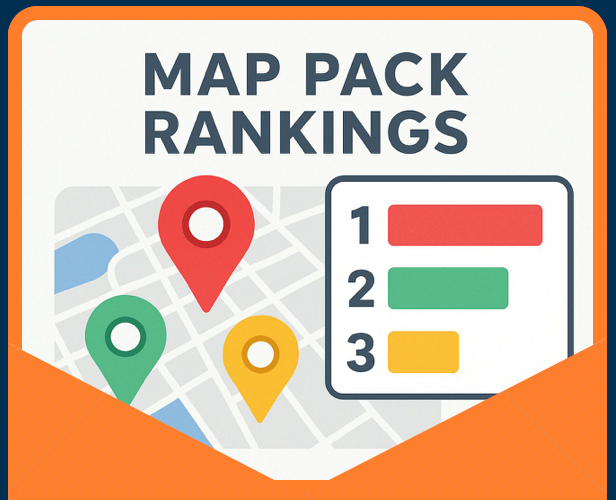
At CinchLocal, we use our "Roofer Footprint Expansion System" to ensure your business shows up in the Google Maps "Local Pack" for these high-intent searches. By combining geo-targeted landing pages with real-world case studies of your green roof projects, we build the E-E-A-T (Experience, Expertise, Authoritativeness, and Trustworthiness) that Google demands. For more on how to win the local search war, check out our guide on Google Maps local SEO for roofers.
Frequently Asked Questions
What is the average cost of a living roof system?
Installation typically averages $25 per square foot for a standard extensive system. However, intensive systems with trees and amenities can exceed $50 per square foot. Annual maintenance is a vital consideration, usually ranging from $0.75 to $1.50 per square foot depending on the complexity of the plants and local climate.
How do living roof system experts handle leak detection?
The best practice is to perform Electronic Leak Detection (ELD) immediately after the waterproof membrane is installed and before the root barrier or soil layers are added. This allows technicians to find pinhole leaks with surgical precision, ensuring the roof is 100% watertight before the "living" components are placed.
Can I install a living roof on an existing building?
Yes, many existing buildings in Ohio, Tennessee, and California can support a lightweight extensive system. However, a structural engineer must always verify the load-bearing capacity. If the current structure is insufficient, lightweight modular trays or "mats" are often the preferred solution for retrofits.
Conclusion
Mastering the complexities of living architecture requires a blend of horticultural knowledge and structural engineering. By aligning your business with the standards set by living roof system experts , you position your company as a leader in the 2026 green building revolution.
Whether you are installing a simple sedum mat or a complex "sky park," the success of your project depends on selecting the right technology, the right plants, and the right marketing strategy. To ensure your expertise reaches the right commercial clients, CinchLocal provides the specialized digital marketing and "Roofer Footprint Expansion System" needed to dominate local search results and secure high-ticket sustainable roofing contracts. Ready to grow your footprint? Contact us today for a consultation.
Want Us to Uncover Hidden 'Footprint Gaps' And Critical Blind Spots That’s Quietly Draining Calls, Jobs, and Profits?
Simply Fill Out The Form Below:
What If You Could Stop Wasting $30K+ a Year on Dead-End Marketing - And Finally Become the Go-To Roofer in Your City?
Other Helpful Articles You Might Enjoy